Glass walls and slick conference rooms in New York give off a strong illusion of transparency. You watch diplomats in sharp suits sip water from crystal glasses, nod solemnly, and talk about global progress. But when the United Nations actually gets around to choosing its top diplomat, the process smells less like open diplomacy and more like a high-stakes backroom poker game.
Think about it. The world expects the UN Secretary-General to champion human rights, prevent wars, and hold nuclear-armed states accountable. Yet the people picking that leader answer to a tiny club of veto-wielding capitals. They grill candidates in supposed public view while holding the real scorecards out of sight.
If you're wondering why global leadership keeps stalling out during planetary crises, you have to look at the hiring committee. The interviewers have plenty of explaining to do, and the excuses are wearing thin.
The Myth Of Open Selection
Every few years, the UN rolls out a theatrical update to its hiring playbook. Candidates stand before the General Assembly. They answer questions from member states. Observers clap. Civil society groups flood social media with analysis.
It looks democratic. It feels modern.
It is mostly theater.
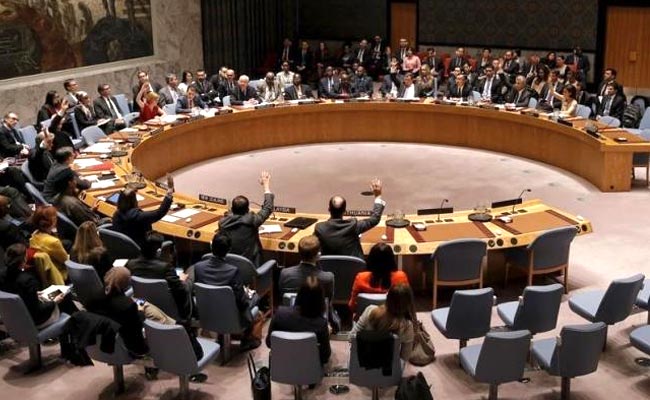
The Security Council's permanent five members—the United States, Russia, China, the United Kingdom, and France—retain absolute veto power. A candidate can charm a hundred small nations, ace every town hall, and present a bulletproof vision for climate action. None of it matters if a single permanent member decides to quietly scratch that name off the list during a private straw poll.
Why pretend the wider world has a real say? That disconnect breeds cynicism. Citizens across the globe watch international institutions flail during conflicts, wondering why the machinery is so broken. The rot starts at the top, right down to how the boss gets chosen.
Who Evaluates The Evaluators
Let's look at the interviewers themselves. When national delegations grill hopeful candidates about accountability, gender parity, and operational efficiency, the hypocrisy is thick.
Some of the governments most aggressively questioning candidates on human rights records are currently sidestep international law, fund proxy conflicts, or jail domestic dissidents. A superpower representative lecturing an aspirant about institutional independence carries zero moral weight when that same superpower treats international courts as optional suggestions.
Candidates sit there and take it because playing the game is the only way to win a shot at the office. But nobody calls out the structural absurdity.
The evaluation panels aren't neutral hiring managers. They are governments protecting their own narrow strategic interests. They want a Secretary-General who is visible enough to look important, but compliant enough not to upset the geopolitical applecart.
The Accountability Vacuum
Try running a multinational corporation this way. Imagine a CEO hiring process where the board of directors operates in secret, refuses to publish scorecards, and lets five individuals veto any candidate who might demand actual compliance. Shareholder revolt would happen in an afternoon.
Yet the UN operates under a diplomatic immunity shield that keeps accountability at zero.
When things go wrong—when peacekeepers fail, when humanitarian relief funds vanish into bureaucratic black holes, or when the organization looks toothless against aggression—the Secretary-General takes the PR hit. But the member states who demanded a weak, pliable leader face zero consequences.
The interviewers demand perfection from applicants while offering zero transparency regarding their own voting criteria. They want a miraculous reformer who will somehow transform a bloated bureaucracy without ever stepping on a national sovereignty landmine.
What Real Reform Looks Like
Fixing this mess requires stripping away the diplomatic parlor tricks.
First, the secretive straw polls behind closed doors need to end. If a government wants to veto a candidate, they should have to state their reasons publicly on the record. Sunlight disinfects backroom deals fast.
Second, the General Assembly—representing the broader global population, not just five nuclear heavyweights—needs genuine teeth in the final appointment. Right now, the Security Council hands down a single recommendation, and the assembly acts as a rubber stamp. Reverse that dynamic. Let the world vote.
Third, stop treating the job like a geopolitical consolation prize or a regional rotation exercise. We don't need a bureaucrat who offends nobody. We need someone willing to lose the job if it means telling hard truths to the capitals that fund the place.
The next time you watch a UN leadership showcase, don't focus on the smooth answers from the podium. Look at the faces in the back rows. Those are the gatekeepers protecting a broken system. Until someone forces them to explain their double standards, the interviews are just a performance. And the rest of us are stuck paying the ticket price.