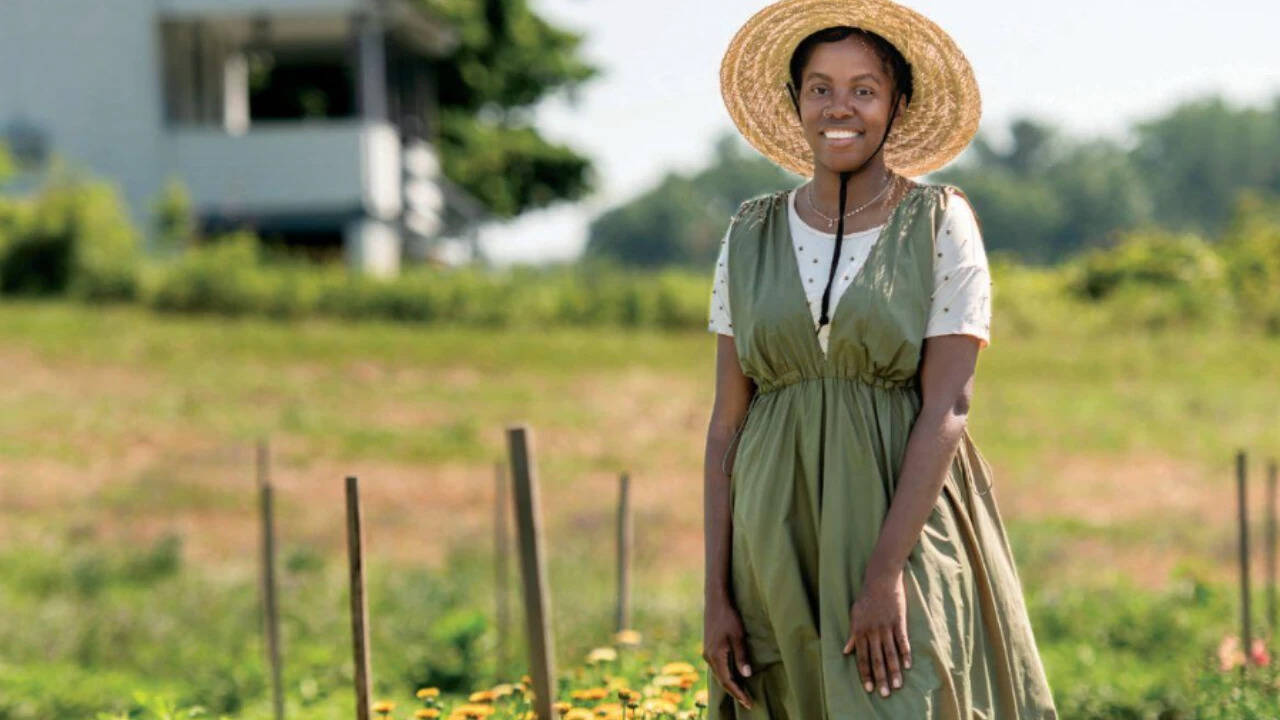
We love a clean narrative. Corporate burnout meets an island epiphany, a plane ticket home, and suddenly someone trades a sterile office for fertile soil. It plays well on social media. It sells books. It makes for an easy feature story about a healthcare professional finding authenticity under the open sky of Martinique, returning to build a sprawling agricultural empire.
Here is the problem. It is a romantic lie that bankrupts idealists.
I have watched wide-eyed urban refugees sink six figures of personal savings into rural acreage because they watched a documentary or visited a sun-drenched French Caribbean island and confused a vacation state of mind with an operating model. They assume agriculture is a spiritual refuge from spreadsheet fatigue. They treat dirt like therapy.
Dirt does not care about your journey. Dirt requires capital, relentless cash flow management, ruthless supply chain logistics, and an stomach for structural losses that would cause a venture capitalist to hyperventilate.
Let us dismantle the prevailing fantasy: the belief that you can opt out of the modern economy by moving backward into simpler production, as if the laws of economics pause at the farm gate.
The Margin Illusion
The foundational myth of the modern small-scale farming movement is that proximity to food production equals profit. If you grow it locally, organically, and with a compelling personal backstory, the market will reward your authenticity.
Ask any commercial producer who survived their third year how that theory plays out against reality.
Agriculture is a low-margin, high-fixed-asset volume game. When you transition from a white-collar salary to a primary producer, you are not escaping the rat race. You are entering a capital-intensive industrial meat grinder where your primary competitors are subsidized mega-operations with economies of scale that can absorb weather shocks, labor shortages, and supply chain fractures that will wipe out a boutique 120-acre plot in a single afternoon.
The romanticized narrative focuses on the pivot. It highlights the moment of courage when someone leaves a stable career. It glosses over the brutal unit economics of local food distribution.
If you sell heirloom tomatoes at a premium farmers market, your labor cost per unit is astronomical. You are competing against grocery store chains sourcing from centralized mega-farms where automation and cheap labor dictate pennies-per-pound margins. You cannot out-compete industrial logistics with good intentions and an inspirational backstory.
The Burnout Substitution
People leave high-stress fields like healthcare under the banner of self-care, seeking a slower, more grounded existence. This is a category error of massive proportions.
Healthcare is brutal, but at least hospitals have roofs, climate control, and predictable plumbing. Farming is twenty-four-hour crisis management where your inventory rots, dies, or gets eaten by pests if you miss a single operational window.
The physical toll of agricultural labor destroys middle-aged bodies faster than a desk job ruins posture. Chronic joint damage, tendonitis, heatstroke, and sleep deprivation do not care that you used to work in a clinic. You have traded a bureaucratic machine for a biological one that operates with zero empathy.
When urban transplants realize that tending land means waking up at four in the morning to fix a busted irrigation line in freezing mud—not sketching landscape designs while sipping pour-over coffee—the psychological crash is severe. They traded one form of exhaustion for a more dangerous one: exhaustion combined with mounting debt.
Scale or Die
If you want to make a living off the land, you have two choices. You either scale up to thousands of acres with heavy machinery, precision GPS planting, and migrant labor contracts, or you niche down into an ultra-high-end agritourism and hospitality model.
The middle ground is a graveyard.
A mid-sized operation of over one hundred acres sits in a lethal zone. It is too large to manage with simple sweat equity and direct-to-consumer hustle, yet too small to compete on commodity pricing. You are stuck paying commercial equipment maintenance, insurance, and land taxes while fighting for shelf space in regional distribution networks that squeeze your margins until your eyes water.
The viral profiles of farm founders usually omit the invisible subsidies keeping them afloat. They rely on accumulated wealth from previous careers, partner incomes, grant money, or consulting gigs on the side. The farm itself rarely supports the operation; it is a lifestyle hobby subsidized by past financial privilege.
When we pretend anyone can make this leap successfully through sheer grit, we set amateurs up for financial ruin.
The Uncomfortable Truth About Local Food
We are told that buying local and farming local will heal the food system. This is emotional marketing masking structural inefficiency.
True sustainability requires radical efficiency, not romantic inefficiency. Transporting small batches of produce across regional lines in half-empty vans burns fossil fuels and inflates prices beyond the reach of average consumers. The wealthy urbanites who buy twenty-dollar salad greens at a boutique market are participating in a theater of sustainability, not a structural fix for global supply chains.
If we want resilient food systems, we need technological integration, vertical farming innovation, logistics optimization, and genetic efficiency—not a nostalgic return to peasant-style manual labor.
Stop treating agriculture as a mid-life reinvention strategy. Stop pretending that escaping to the country is an economic blueprint. If you want to farm, treat it like what it is: a cutthroat, capital-draining industrial enterprise that demands more discipline, more cash, and more emotional detachment than the corporate cubicle you are trying to flee.
If you cannot look a balance sheet in the eye while your entire harvest rots in a hailstorm and smile, stay in the office.