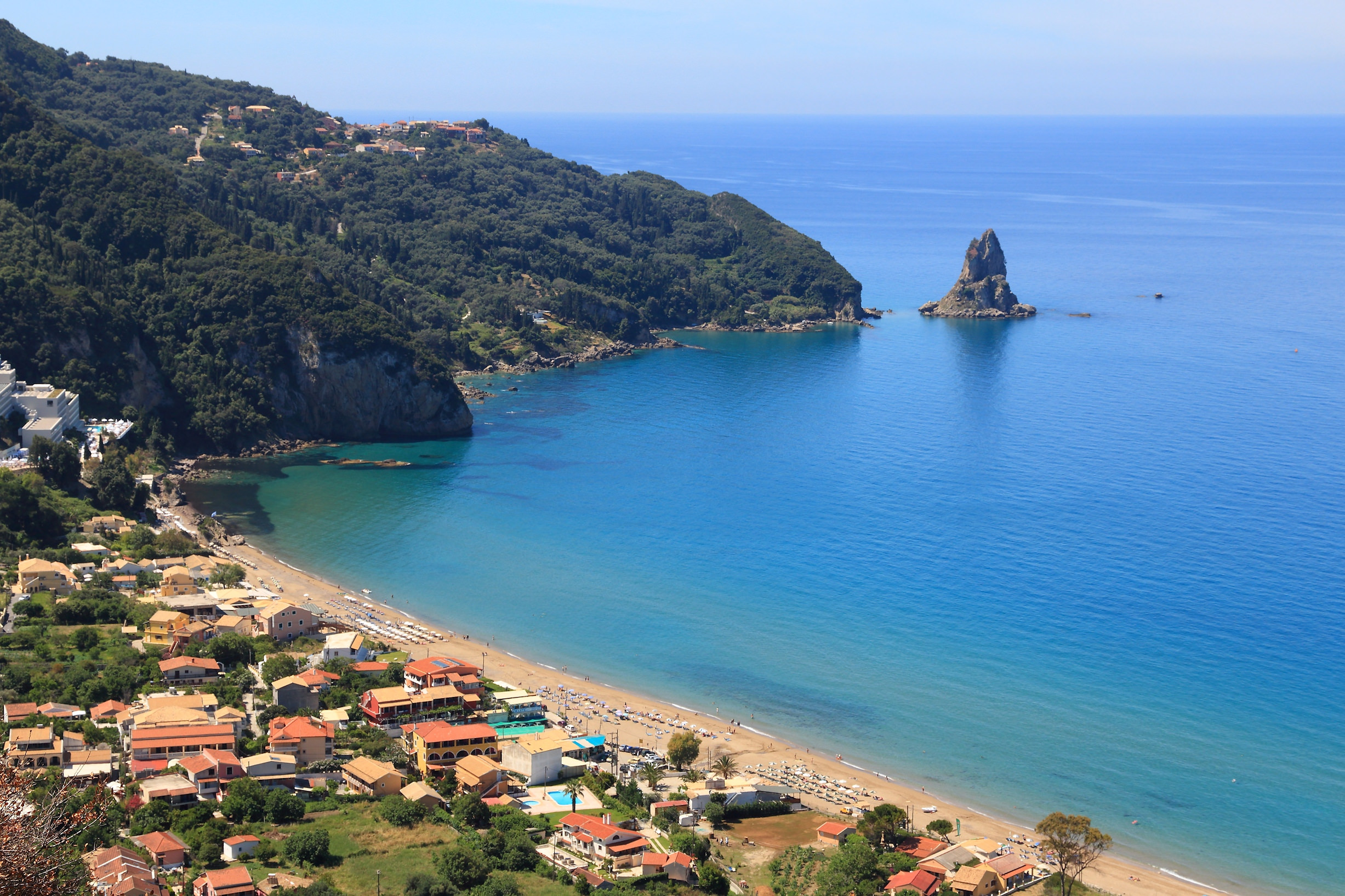
Salt air carries voices across the Strait of Gibraltar long before a motorcade ever rounds a coastal curve.
On a crisp Mediterranean morning, imagine the scene along the border separating North Africa from Europe. A crowd gathers on the Spanish side, flags snapping in the breeze, waiting for a head of state whose presence carries centuries of tangled history. Across the razor wire and surveillance towers, life continues in towns like Fnideq and Nador, where the horizon is familiar, close enough to touch on a clear day, yet governed by rules that shift with every diplomatic wind.
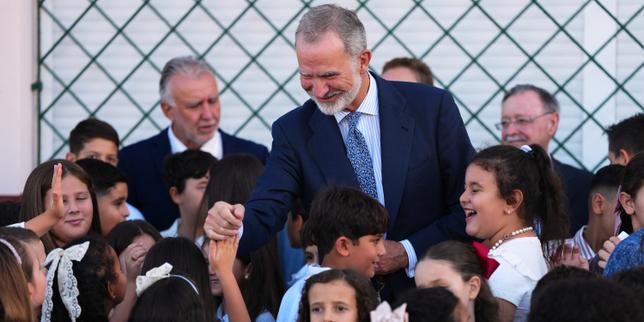
When King Felipe VI of Spain visits Ceuta and Melilla, the cameras catch ribbons, speeches, waves, and smiles. What they rarely capture is what happens in the quiet rooms thousands of miles away—or on the dusty footpaths where ordinary families try to earn enough to put bread on the table. Because in Rabat, disapproval rarely arrives as a thunderclap. Often, it arrives as silence.
I have spent years watching border towns up close—not from embassy balconies, but from roadside cafes where customs delays turn fresh produce into spoiled loss and a single rumor about a closed crossing changes how a mother plans her week. You learn quickly that diplomacy on paper feels very different when your livelihood depends on a gate staying open. Sometimes even I struggle to untangle the exact signal behind a diplomatic chill, wondering whether a quiet reaction is a calculated pause or a warning shot waiting for the right moment. That uncertainty is part of the friction itself.
Two Cities Caught Between Two Crowns
Ceuta and Melilla sit on the northern edge of Africa, yet they fly the flag of Spain and belong to the European Union. To Madrid, they are Spanish cities with Spanish citizens who vote in European elections and walk streets named after Spanish history. To Rabat, they are occupied enclaves—remnants of a colonial past that Morocco has never formally conceded.
That contradiction is the fault line running right through the granite and sand.
Think of it like two neighbors sharing a narrow hallway where each insists the threshold belongs to their own front door. Neither wants the hallway to catch fire, because smoke ruins both apartments. Yet every time one neighbor hangs a new portrait on the shared wall, the other notices where the nail goes in. A royal visit to Ceuta or Melilla is never just a ceremonial stopover. In the language of statecraft, a monarch stepping onto contested soil affirms sovereignty in unmistakable ink.
Spain’s constitution and political consensus treat Ceuta and Melilla as integral parts of the country. When King Felipe VI visits, domestic leaders frame it as normal state business—a king visiting his own citizens in two autonomous cities that face unique economic and security pressures. From Madrid’s vantage point, not going would look like doubt.
Rabat reads the same photograph through a completely different lens. Morocco has long maintained that the two enclaves are Moroccan territories, even as its modern foreign policy balances firm historical claims with pragmatic cooperation with Madrid. When a Spanish king visits without prior Moroccan endorsement—or at a moment when bilateral sensitivities are already humming—Rabat faces a delicate choice. Loud outrage can lock both sides into rigid postures and endanger practical cooperation. Quiet disapproval leaves room to maneuver, while still making clear that Rabat has not forgotten.
Why Silence Speaks So Loudly in Diplomacy
To people used to loud press conferences and dramatic walkouts, silence can look like indifference. In diplomacy between Madrid and Rabat, silence is often a scalpel.
Consider what happens when a government chooses not to issue a fiery condemnation. No angry ambassador is immediately recalled on television. No headline gives domestic hawks an easy trophy. Instead, officials in Rabat let the visit pass with measured restraint, allowing observers to read between the lines while keeping channels open for trade, security coordination, and regional talks.
History teaches why restraint matters here. Over the past two decades, relations between Spain and Morocco have swung like a pendulum—from warm summits and joint initiatives to sharp disputes over migration controls, maritime boundaries, and Western Sahara. Whenever friction spikes, the shockwaves rarely stay confined to foreign ministries.
Let’s step into a hypothetical scenario to see how a diplomatic chill ripples downward. Picture Nadia, a hypothetical wholesaler in Nador who buys goods destined for cross-border trade, alongside Javier, a hypothetical logistics coordinator in Melilla who tracks cargo movement and port routines. Neither of them sits at a diplomatic table. Neither writes policy memos. Yet when official warmth cools, inspections tighten, paperwork slows, and informal trade lanes that thousands of families rely on can narrow overnight. A shipment that once cleared in hours sits waiting while buyers grow nervous. A cousin who planned to cross for seasonal work or family business hesitates at the checkpoint.
That is the invisible stake behind every royal itinerary. Sovereignty is abstract. A delayed truck or a shuttered stall is personal.
The Human Geography of a Contested Border
Borders drawn on maps often look neat—a colored line separating one nation from another. On the ground around Ceuta and Melilla, borders are living tissue.
For generations, daily life around these enclaves depended on proximity. People crossed for work, commerce, healthcare, and family ties. Over recent years, both Madrid and Rabat have moved to formalize and tighten border management, ending older informal smuggling practices and reshaping how goods and people move across the frontier. Those changes were pitched as modernization, security, and order—and in many respects they brought tighter control over irregular migration and illicit trade.
Still, modernization does not erase memory. Families split by national lines still share language, recipes, and grief. Young people on both sides look out at the same sea and wonder what their next decade holds. When King Felipe VI walks through Ceuta or Melilla, citizens there see a symbol of connection to mainland Spain and protection amid economic headwinds—such as high unemployment and dependence on public spending or cross-border shifts. Across the line, Moroccans watching the coverage see a reminder of an unfinished historical chapter.
Both feelings can be real at the same time. Ignoring one to validate the other only deepens the divide.
Migration, Security, and the Leverage Beneath the Surface
No honest look at Spanish–Moroccan relations can ignore what sits just beneath ceremonial visits: migration management and regional security.
Spain relies heavily on cooperation with Moroccan authorities to curb irregular migration routes toward both the enclaves and the Canary Islands, as well as to coordinate counter-narcotics and security efforts. Morocco, in turn, expects Spain and the broader European Union to treat it as an indispensable partner—respecting its core sovereignty concerns, especially regarding Western Sahara, and supporting economic development and mobility frameworks.
When tensions flare, migration and border enforcement often become the quiet barometer of the relationship. Nothing needs to be announced in a speech. A subtle shift in enforcement tempo or a cooling tone in diplomatic exchanges is enough to remind capitals how interconnected their security actually is.
Quiet.
Calculated.
That is how pressure works when two capitals understand that a full-scale rupture hurts everyone. Neither Madrid nor Rabat wants chaos on the Mediterranean frontier. Spain needs stability along its southern flank and predictable cooperation from its neighbor. Morocco wants recognition of its weight in regional affairs and steady economic ties with Europe. So Rabat’s muted response to a royal visit functions like a chess move made without raising the voice: a marker planted on the board while the rest of the game continues.
What Madrid and Rabat Both Risk
Every diplomatic gesture carries a bill, even when no invoice is sent.
For Spain, visits by the monarch to Ceuta and Melilla reinforce national unity at home and signal commitment to two cities that sometimes feel far from Madrid’s daily spotlight. Yet overplaying symbolism without addressing long-term economic vitality in the enclaves—or without keeping diplomatic communication smooth with Rabat—can turn a proud moment into recurring friction.
For Morocco, silent disapproval preserves strategic flexibility. It avoids burning bridges over a visit that Madrid considers routine, while refusing to normalize a status quo Rabat rejects in principle. The risk on Morocco’s side is that quietness can sometimes be misread abroad as acceptance, forcing periodic reminders that the territorial question remains alive.
And for the people living in the shadow of the fences and coastal hills? They bear the cost whenever politics takes precedence over practical coexistence.
Waves keep rolling onto the shore near Ceuta and Melilla regardless of which flag flies over a town hall or which king steps off a plane, leaving wet footprints on the sand that the next tide quietly erases.