Paper holds grudges longer than people do.
Think of a colonial inkwell, dried solid two hundred years ago, still dictating who gets to sit in a quiet room in Port of Spain or San Fernando and breathe without checking the lock. That is what an old statute does when it stays on the books. Even when nobody is kicking down doors at midnight, the ink sits there. Waiting. Watching. Shaping how you walk past a neighbor's porch or how you lower your voice when a relative asks about your weekend plans. If you liked this piece, you might want to read: this related article.
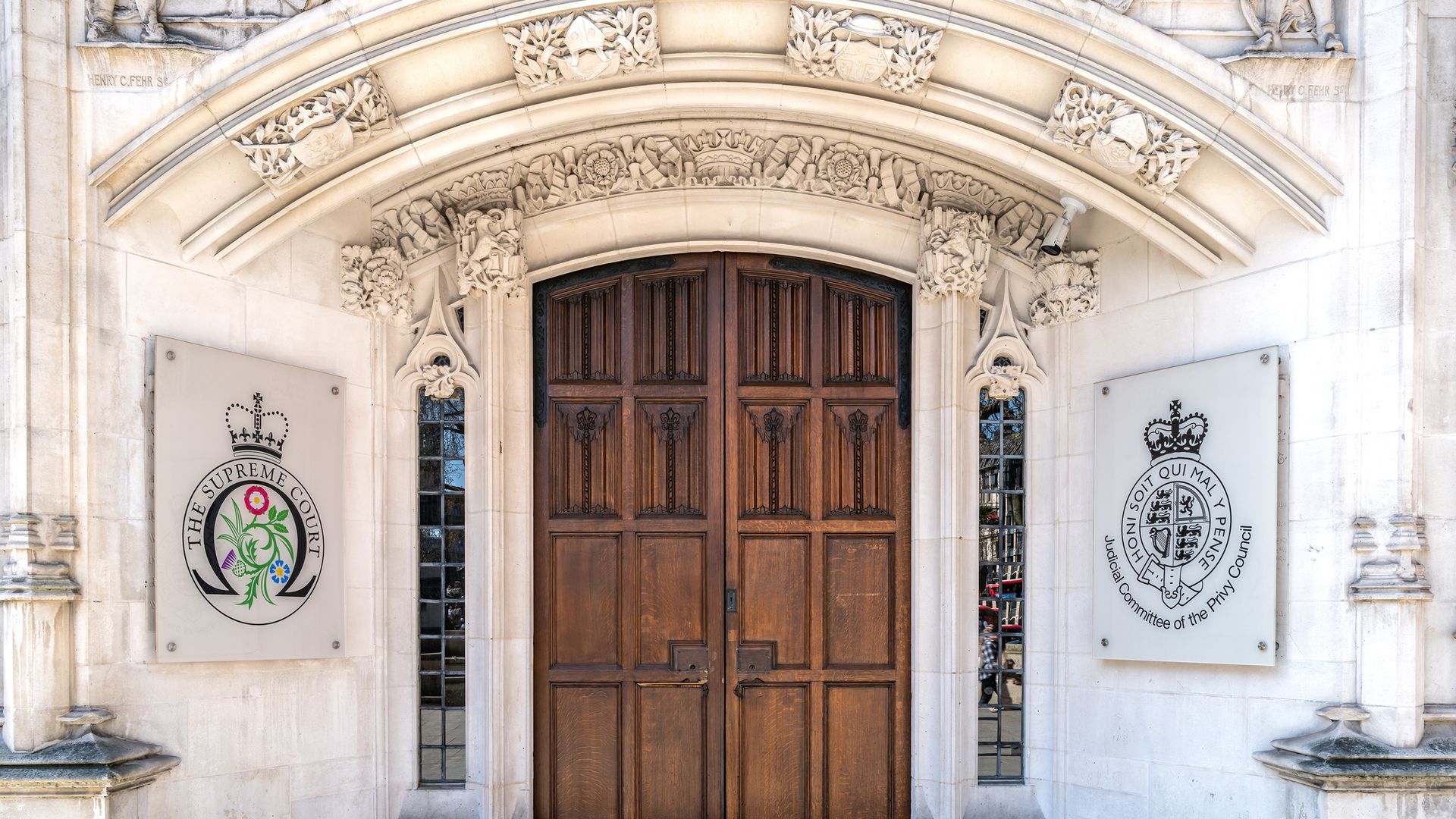
When word traveled that London's highest appellate judges—sitting as the Privy Council—had struck down Trinidad and Tobago's law criminalizing consensual same-sex intimacy, it did not sound like a firework going off in a crowded plaza. It sounded more like a heavy iron shutter finally giving way after decades of rust. Squeak. Creak. A draft of cool air coming through a room that had been sealed tight since the days of sugar barons and imperial governors.
Wait. Let us slow down before celebrating too loudly or pretending a single legal ruling erases every shadow in a small island nation. Law is a strange machine. It can lift a boot off a person's chest, yet it cannot by itself warm up a cold kitchen table or stop a sharp comment at a Sunday market. Still, removing a criminal label from private affection changes the ground beneath people's feet. And ground matters. For another angle on this story, see the recent update from Al Jazeera.
To see why a courtroom thousands of miles from the Caribbean felt so personal to people living under the tropical sun, consider a hypothetical scenario. Picture two men—let us call them Devon and Tariq—sharing a small concrete apartment outside Arima. Neither of them is an activist with a megaphone or a lawyer arguing before lords in dark robes. They are ordinary working guys who like lime-scented wind off the hills, cricket scores on the radio, and coming home after a long shift where nobody asks them to perform a version of themselves that feels like wearing wet wool.
Under the old law—specifically Section 13 of Trinidad and Tobago's Sexual Offences Act, inherited from colonial-era buggery provisions—what Devon and Tariq did behind a closed bedroom door carried the threat of prison. Even if police rarely prosecuted consenting adults in private, the statute stood like a rusted hook hanging from the ceiling. Every knock at the gate carried a tiny, automatic spike of adrenaline. Every landlord dispute or family argument carried an unspoken leverage point. A law does not need to lock up every person every week to keep people crouching. Threat is cheaper than jail.
That is the invisible stake most headlines skip right over. When a headline says a court overturned a law criminalizing homosexual sex, a reader outside the region might picture a dry legal technicality—a debate over constitutional clauses, colonial history, and judicial authority. Fair enough. Legal mechanics matter. Yet beneath the Latin phrases and appellate arguments sits the daily arithmetic of secrecy. How much energy does a person spend editing pronouns, inventing fake dates, or swallowing dread every time a siren passes down the street?
I have spent enough time in rooms where people speak in half-sentences to recognize that weight. You hear it in the pause before someone answers a harmless question like, "So, you seeing anybody?" You smell it in the stale air of back rooms where folks gather only when the curtains are drawn tight. Fear has a texture. It makes shoulders tight. It makes laughter sound slightly practiced, like a song sung in a room with a bad echo.
Admittedly, untangling the legal path here can make your head spin if nobody translates the jargon. Let me be honest: when I first traced how a Caribbean twin-island nation ends up having final appeals decided in London, it felt like reading a map drawn upside down. Why would judges in the United Kingdom rule on a law in Trinidad and Tobago?
Here is the plain version. When Britain granted independence to Trinidad and Tobago in 1962, the new nation kept the Judicial Committee of the Privy Council as its highest court of appeal—a common arrangement among several Commonwealth countries. Think of it like a high-stakes warranty service that outlived the original manufacturer. Cases start in local courts, move up through the local Court of Appeal, and if constitutional rights are at stake, can ultimately reach the Privy Council in London.
And notice the twist in this story. Years earlier, a local High Court judge in Trinidad and Tobago had actually struck down the same criminalizing law, only for the country's Court of Appeal to overturn that ruling and restore the ban. That back-and-forth left people suspended in mid-air—hopeful one day, cornered the next. Then the Privy Council stepped in on appeal and ruled that criminalizing consensual same-sex acts between adults violates fundamental constitutional rights.
Now, if you are thinking, "Wait a minute—doesn't that spark pushback about outside judges telling an independent country how to run its affairs?" you have put your finger on the sharpest nerve in the room.
Sovereignty is not an abstract word in the Caribbean. History taught people there to be wary of foreign decrees, especially ones wearing British wigs. Critics and conservative voices have argued for years that moral norms and social standards belong to the people of Trinidad and Tobago and their elected parliament, not distant judges interpreting constitutional guarantees through a modern rights lens. That tension is real. Ignoring it would make this story flat and dishonest.
At the same time, look at where the contested law came from in the first place. It was not forged in the heat of local village debates during carnival season. It was imported—stamped onto colonial penal codes by British administrators long before Trinidad and Tobago had a voice of its own. Using a colonial-era criminal statute to police private adult intimacy while invoking sovereignty to keep it feels, at the very least, like a paradox worth examining closely.
Consider what happens next when a court strikes down a law like this. Does everyone suddenly hold hands on Independence Square while steel pans roll?
No.
Real life does not move like a movie montage. Pushback happens. Churches speak from pulpits. Talk radio heats up until the microphones practically hum. Some citizens worry about traditional family structures or feel disoriented by rapid cultural shifts; others worry that without strong protections against discrimination, housing, and employment bias, decriminalization alone leaves vulnerable people exposed to everyday hostility. Both fears come from real places, even when they collide head-on.
To make sense of why decriminalization matters even before attitudes shift, try a simple metaphor. Imagine a house with a sign nailed to the front porch saying Trespassers Will Be Shot, even though the owner rarely comes outside. Even if nobody pulls a trigger, the sign changes who walks up the steps. Pull the sign down, and the porch is still just wood and paint—people might still scowl from the window—but the state is no longer authorizing violence against anyone who approaches.
That is what taking a criminal statute off the books actually does. It removes state-backed criminality from private, consensual adult relationships. It tells police, prosecutors, and courts that love or intimacy between two consenting adults is not a crime against the state.
Let us return to Devon and Tariq in our hypothetical apartment near Arima. Nothing in their refrigerator magically refills because a panel of judges in London issued a ruling. Their rent is still due on the first of the month. Their families might still hold tight to views shaped over generations. Yet the legal cloud hanging over their bedroom has been lifted. If someone threatens them with the law for who they love, that threat no longer has statutory teeth behind it.
Still, I would not blame a skeptical reader for asking whether a court ruling changes minds in the streets. Honest answer: not overnight. Laws set a floor; culture climbs stairs one step at a time. A person who grew up hearing certain sermons or jokes over Sunday curry does not rewrite their entire worldview because a legal judgment was published. Changing hearts takes years of ordinary contact—seeing a cousin, a coworker, or a longtime friend simply live a decent, quiet life without becoming a boogeyman.
The Weight of Colonial Shadows
Why did so many former British colonies end up with nearly identical laws banning same-sex intimacy?
History gives us a clear answer. During the nineteenth century, British lawmakers drafted model penal codes—most famously Thomas Babington Macaulay's Indian Penal Code of 1860—and exported variations across the empire. Those provisions criminalized "unnatural offenses" or "buggery," sweeping consensual adult behavior into the same legal bucket as non-consensual acts.
Long after the Union Jack came down and new flags went up, those clauses remained tucked inside statutes like forgotten luggage in an attic. Often, lawmakers left them untouched because bringing them up in parliament meant inviting fierce political fights over religion and morality. Easier to let sleeping dogs lie. Except those dogs were not sleeping; they were keeping people awake.
In Trinidad and Tobago, the legal battle over Section 13 became a test case for whether constitutional promises of liberty, privacy, and equal treatment apply to everyone—even those whose lives make influential voices uncomfortable. Advocates argued that criminalizing private intimacy between consenting adults infringes on personal autonomy and dignity, while also fueling stigma and making it harder for gay and lesbian people to seek help when facing violence or health concerns.
Opponents countered that constitutional provisions should be read alongside savings clauses or traditional understandings of morality, and that any change to such a sensitive law should come from elected legislators rather than judges.
The Privy Council's decision settled the legal question at the top of the appellate ladder: the law could not stand. For LGBTQ+ Trinidadians and Tobagonians, and for allies watching across the wider Caribbean where similar colonial-era laws have faced legal challenges in several countries over recent years, the ruling felt like a crack in a long wall.
What Changes Behind Closed Doors
Let us strip away the courtroom drama and look at something smaller. A coffee cup on a kitchen counter at 6:30 a.m.
Before a law like this falls, even small routines carry an undertone of caution. You think twice before posting a photo. You think twice before introducing a partner as a partner rather than a "friend." You learn how to read a room in half a second—who smiles easily, who looks away, who changes the subject when romance comes up.
After the law falls, the outside world may still look stubbornly familiar. Buses still rattle past. Heat still shimmers off the asphalt at noon. Mangoes still drop heavy and sweet in the yard. Yet something internal shifts, even if only a fraction of an inch. You are no longer a criminal simply for existing in your own skin and caring for another adult with their consent.
That shift has practical ripple effects too. When intimacy is criminalized, trust between communities and institutions erodes. People hesitate to report abuse or seek medical care out of fear that revealing who they are will put them in legal jeopardy. Removing the crime removes one major barrier to basic safety and candor.
At the same time, legal victory without social protection is like taking off a heavy coat in a brisk breeze. Decriminalization ends prosecution for consensual private acts, but it does not automatically outlaw workplace firing or housing discrimination unless separate laws protect against bias. That is why many advocates view striking down criminal bans not as the finish line, but as the moment the real work of building everyday safety begins.
Two Worlds, One Island
Trinidad and Tobago has always been a place of vivid contrasts—calypso and gospel, steel pan and chutney, oil wealth and neighborhood grit, fierce pride and deep religious conviction. A single legal judgment does not flatten that complexity into a neat moral fable.
Some residents hear the news and feel relief so deep it brings tears to their eyes—a sense that their country's highest legal standard finally made room for them. Others hear the news and feel unsettled, worried about tradition, authority, or what comes next.
Both reactions exist in the same air. Pretending otherwise would be lazy storytelling. What matters now is how people navigate the space between a changed law and an evolving society—whether neighbors choose curiosity over cruelty, whether leaders lower the temperature instead of fanning anger, and whether those who lived under the shadow of a criminal statute can finally stand up straight without looking over their shoulder.
A page has turned in the law books.
The ink is still wet, the breeze is coming through the open shutter, and the real test is whether the people inside the room learn to speak to one another without shouting.