Bread.
That is the first word a child learns in many corners of Afghanistan, where a round flatbread pressed against the glowing clay wall of a tandoor oven is not merely a side dish but the anchor of the entire day. When you have stood inside a mud-brick courtyard at dawn—the air sharp with woodsmoke and dry dust, your fingers stiff against the chill of high-altitude wind—you understand that food is never an abstraction. You feel it in the weight of a flour sack dragged across packed earth. You hear it in the quiet scrape of a wooden spoon against the bottom of a kettle when there is almost nothing left to scrape.
Statistics have a strange way of making catastrophes sound small.
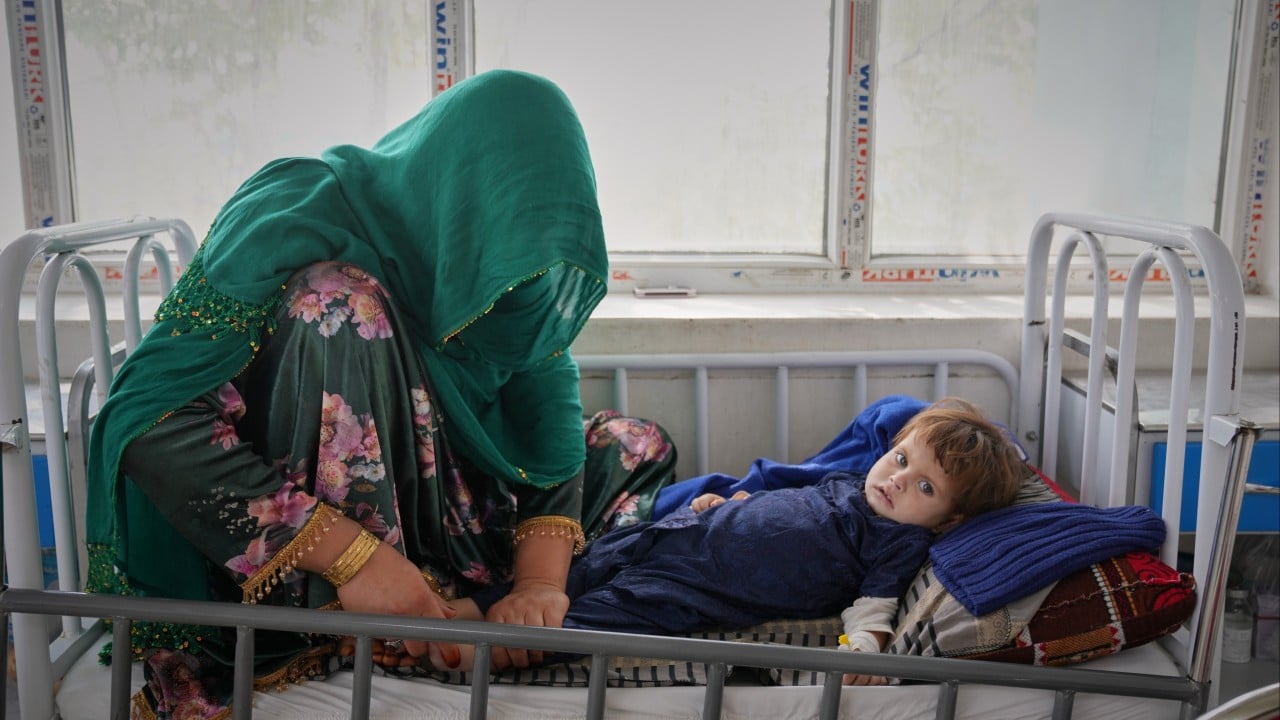
Nineteen point two million people. Say it fast and it sounds like a line on a slide deck in Geneva or New York, a figure printed beside a bar chart that someone scrolls past on a phone between meetings. Acute food insecurity is a clinical phrase for a very unclinical reality: households where meals shrink to tea and stale bread, where parents skip dinner so a toddler can sleep without crying from hunger, where families start selling off the very things that keep them alive—a goat, a plow, a daughter's marriage dowry, a roof beam—just to buy another week of calories.
I have spent enough time watching how crises unfold on the ground to admit something honest: even people who study humanitarian emergencies for a living sometimes feel a cold numbness when big numbers repeat year after year. You read another report about Afghanistan. You think, Haven't we heard this before? You wonder if the warning bells have rung so often that nobody turns their head anymore.
That doubt is real. It deserves an honest answer, not a lecture.
No. We should not tune it out. Because a recurring crisis is not a fake crisis—it is a compounding one. When a family gets knocked down once, they can sometimes climb back up. When they get knocked down every season for years while drought parches the soil, jobs vanish, prices swing, and international aid budgets stretch thinner and thinner, the floor gives way entirely.
What Nineteen Point Two Million Actually Means
To understand what acute food insecurity looks like without turning human beings into spreadsheets, consider a hypothetical scenario based on patterns documented across rural Afghanistan. Imagine a farmer named Gulab living in a dry valley where winter snowpack has arrived late or thin. His wheat plot is small, his irrigation canal runs low by late summer, and the price of fuel needed to pump deeper groundwater has climbed out of reach.
Gulab is not lazy. He knows the soil the way a sailor knows swells—how earth cracks when moisture leaves too early, how wind strips topsoil off a slope when roots fail to hold. Yet knowing the land cannot conjure rain out of a pale sky. When the harvest falls short, his household enters a quiet spiral. First comes dietary simplification: meat disappears, vegetables grow scarce, oil is rationed by the spoonful. Next comes asset liquidation: selling livestock at a discount because feed costs more than the animal is worth. Finally comes debt and displacement, when families borrow from neighbors with no realistic way to repay or pack a few blankets onto a truck toward a city edge where day labor is scarce and rent eats every coin.
That is the human machinery behind the headline. It is not a single dramatic collapse on one Tuesday afternoon. It is nineteen point two million slow mornings where the flour bin sits lighter than yesterday.
Why does food insecurity hit so hard in a place where agriculture still anchors millions of lives? Think of a household budget like a wooden bucket holding water. Rain and wages pour water in at the top. Daily expenses—food, heating fuel, medicine, transport—leak out through small seams at the bottom. In a healthy economy, the bucket stays full enough to weather a dry spell. In Afghanistan, decades of conflict, economic shocks, climate swings, and trade disruptions have punched holes all over that bucket while shrinking the stream pouring into it. Even a moderate shock—an early frost, a spike in transport costs, a sudden cut in outside assistance—drains the reserve fast.
Why Hunger Is Never Just About Food
People often ask a straightforward question when they hear about mass hunger: Why isn't there just more food brought in?
Fair question. Simple on the surface. Complicated in practice.
Food availability is only one leg of a three-legged stool. A market can have sacks of wheat and potatoes stacked beside a dusty road, yet a family still goes hungry if they have no cash or credit to buy them—a problem economists call food access. And even when food reaches a table, repeated bouts of contaminated water, respiratory illness, and inadequate nutrition undermine food utilization, especially in young children whose bodies and brains are building their foundation.
Consider what happens next when a mother has to choose between buying medicine for a feverish infant and buying flour for the rest of the week. There is no painless choice in that room. If she buys flour, the fever lingers and saps the child's strength; if she buys medicine, everyone else goes to bed hungrier. Hunger and illness feed each other like dry brush catching a spark.
There is also the geography. Afghanistan is rugged—jagged mountain passes, isolated valleys, long distances between surplus zones and deficit zones, and winter snows that can shut down roads for months. Moving heavy staples like grain and oil across rough terrain takes trucks, fuel, security clearances, and coordination. When logistics tighten or funding falls short, food agencies face agonizing triage: cutting ration sizes, reducing the number of months covered, or concentrating scarce supplies only on the most extreme pockets of starvation.
Cutting rations sounds tidy on paper—reduce daily kilocalorie targets by twenty percent to stretch funds further. In a real kitchen, a twenty percent cut means smaller portions for everyone, or a child getting half a piece of bread instead of a whole one.
The Invisible Stakes Behind Every Statistic
If you only look at calories, you miss what hunger does to the future.
Malnutrition in early childhood does not just make a child look thin; it alters growth trajectories, weakens immune defenses against routine infections, and makes learning harder once school doors open. Imagine trying to focus on arithmetic or read a page when your stomach has a hollow ache and your body is conserving energy just to stay warm. Hunger steals concentration long before it makes headlines.
And it reshapes family decisions in ways that ripple across generations. When households run out of options, pressure mounts on every member. Young people may leave school to haul loads or work in brick kilns or cross borders in search of wages. Families may send a child to live with relatives or enter early marriage arrangements out of sheer economic desperation. None of these choices happen in a vacuum; they happen when the alternative looks like nothing at all.
Here is a metaphor that helps clarify how fragile recovery can be: rebuilding food security in a stressed economy is like trying to grow grass on a slope while goats keep grazing it down to the roots. Every time a household starts to recover a tiny bit of footing, another shock—a drought year, a price jump, an illness—nibbles the new growth right back to dirt. Real stability takes time, predictable support, water management, and livelihood tools that last longer than a single emergency food parcel.
I should be candid about what outside observers and aid workers often get wrong. Sometimes well-meaning commentators talk as if one clever policy or one surge of aid will fix everything overnight. It won't. Complex crises rarely yield to silver bullets. Progress happens in increments: a repaired irrigation channel that keeps water flowing to a village, seeds suited to drier conditions, cash or vouchers that let families buy fresh produce locally rather than relying solely on distant shipments, and clinics that catch malnutrition early.
What You Can Do When Headlines Feel Far Away
When you read a number like nineteen point two million from thousands of miles away, it is easy to feel helpless. What can one person possibly do against a crisis of that scale?
Quite a bit, if you start by refusing indifference and choosing informed action over doomscrolling.
First, follow trusted humanitarian reporting and verified field updates rather than reacting to sensational fragments. Look closely at organizations with established operational footprints and transparent reporting on food assistance, agriculture, and child nutrition. Even modest contributions go further when directed to groups with local access, strong logistics, and clear accountability.
Second, keep the issue visible in public conversation. Humanitarian funding is heavily influenced by political attention and public awareness. Crises that fade from front pages often suffer the sharpest funding gaps—right when winter cold or seasonal lean months hit hardest. Sharing accurate, human-centered context with friends, colleagues, or local networks helps counter "compassion fatigue" before it sets in.
Third, support broader resilience and climate adaptation work where you can. Droughts and erratic weather in food-insecure regions are tied to wider climate patterns that touch all of us. Treating humanitarian relief and long-term environmental stability as connected pieces—rather than separate worlds—gives you a clearer lens on why crises recur and what genuine prevention requires.
Think back to that morning courtyard at dawn. The smoke curling upward into cold air. The quiet weight of a day that has barely begun.
Nineteen point two million is not just a forecast on a UN sheet. It is millions of ordinary mornings, millions of hands reaching for bread, and a test of whether we still care when the warning sounds familiar.