Queen Elizabeth II would have been 100 years old this year. While the world remembers her for her steady hand on the ship of state, the streets of London are currently buzzing with a different kind of tribute. We're looking at her wardrobe. It wasn't just about expensive silks or shiny crowns. She used clothes as a language. She understood that being seen was the most important part of her job, and she dressed to make sure nobody ever missed her in a crowd.
If you think royal fashion is just about looking pretty, you're wrong. It's a calculated tool of diplomacy. Every brooch, every shade of neon green, and every weighted hem served a purpose. As Britain celebrates her centenary, the focus has shifted from the politics of her reign to the sheer genius of her branding. She didn't follow trends. She outlasted them.
The Strategy of the Power Rainbow
Most people stick to neutrals because they're safe. The Queen did the exact opposite. She famously said she had to be seen to be believed. That's why we saw her in those saturated yellows, electric blues, and vibrant pinks. If you're five feet tall and standing in the middle of a park with ten thousand people, you need to pop.
She turned the monochrome outfit into a uniform. It was a brilliant move. By wearing one solid color from her hat down to her coat, she created a long, uninterrupted line. It made her look taller. It made her recognizable from a mile away. It also made life easier for the photographers. They knew exactly where the focal point of the shot was.
This wasn't about vanity. It was about accessibility. She wanted the person at the very back of the crowd to be able to go home and say they saw the Queen's hat. It's a lesson in personal branding that most modern influencers still haven't quite mastered. Consistency is king, or in this case, queen.
Why Her Handbags Were Secret Weapons
The Launer London handbag wasn't just an accessory. It was a communication device. It's well-documented by former staff that she used the position of her bag to send silent signals to her ladies-in-waiting. If she moved her bag from one arm to the other, it meant she was bored and wanted to wrap up a conversation. If she put it on the table during dinner, the event needed to end in five minutes.
She reportedly owned over 200 of them. She liked the long handles because they didn't get tangled in her sleeves when she was shaking hands. That's the kind of practical detail you only care about when you've been doing the job for seventy years. She didn't care about what was "in" this season. She cared about what worked.
The Diplomacy of the Brooch
If you want to see her real wit, look at the jewelry. She used brooches to send messages to her hosts. When she visited Ireland in 2011—a historic trip—she wore a diamond harp brooch. It was a nod to the Irish national symbol. It was subtle. It was respectful. It did more for Anglo-Irish relations than a dozen speeches could have.
She also knew how to use jewelry to show family solidarity or, occasionally, a bit of shade. During a state visit by a certain US president, some eagle-eyed observers noticed she wore a brooch given to her by the Obamas. Coincidence? Maybe. But in the world of high-stakes diplomacy, nothing is ever truly a coincidence. She knew exactly what she was doing.
Breaking Down the Countryside Look
When she wasn't in London, she shifted to the "Land Rover chic" that defined the British upper class for decades. Waxed Barbour jackets, silk headscarves tied under the chin, and sturdy brogues. This wasn't a costume. This was her actual life at Balmoral or Sandringham.
This look has been copied by every major fashion house from Burberry to Gucci. They call it "heritage style." She just called it Tuesday. The silk scarves, usually Hermès, were a practical way to keep her hair in place in the Scottish wind. The heavy tweeds were for warmth. It was authentic. People respond to authenticity, even when it's wrapped in a royal title.
Avoiding the Traps of Trend Chasing
The 1960s and 70s were a minefield for royal fashion. Everyone else was wearing miniskirts and bell-bottoms. If the Queen had tried to keep up with the mods, she would have looked ridiculous. Instead, she worked with designers like Hardy Amies and Norman Hartnell to create a silhouette that was timeless.
Key Elements of the Queen's Silhouette
- Hemlines below the knee: She never had to worry about a wardrobe malfunction when getting out of a car.
- Weighted hems: Small lead curtain weights were sewn into her skirts so they wouldn't blow up in the wind on a tarmac.
- Three-quarter sleeves: Perfect for eating and working without the cuffs getting in the way.
- Low-heeled pumps: She spent hours on her feet. Comfort wasn't optional.
She proved that you don't need to change your style every six months to stay relevant. In fact, the less she changed, the more iconic she became. She became a constant in a world that was changing too fast for most people to handle.
The Centenary Exhibits You Actually Need to See
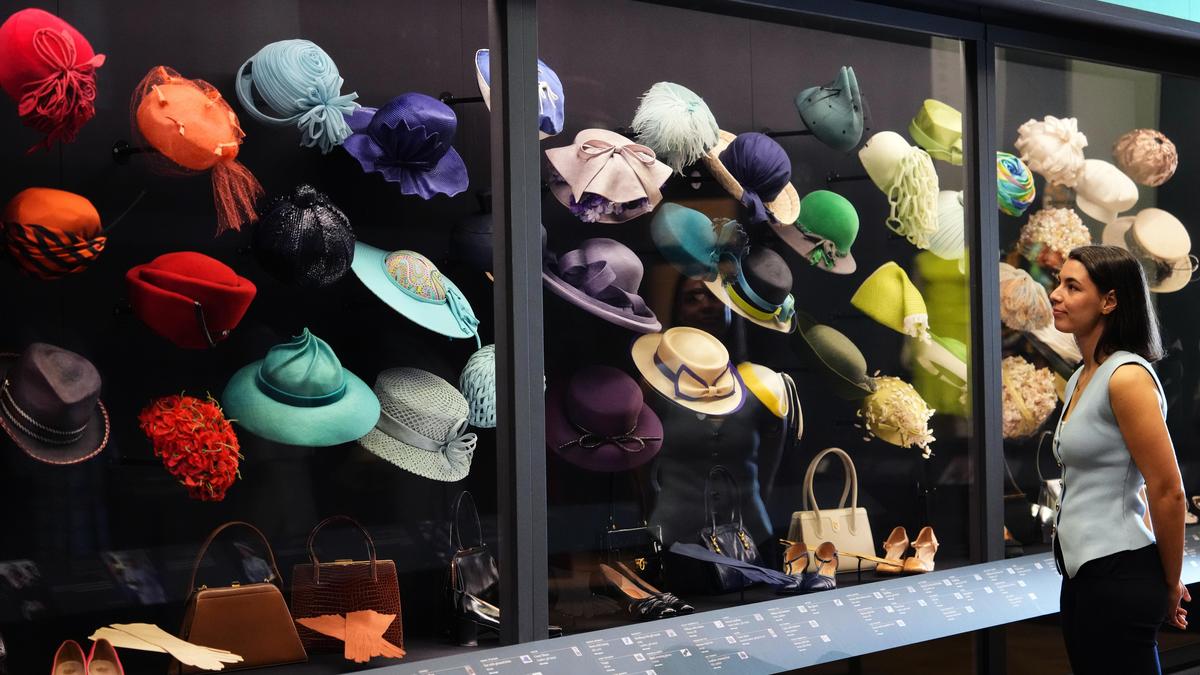
To mark the 100th anniversary of her birth, several exhibitions are popping up across the UK. They aren't just showing dresses; they're showing the history of the 20th century through fabric.
If you're in London, the display at Buckingham Palace is the obvious choice, but don't sleep on the smaller galleries in Edinburgh. They often show the more personal items—the riding clothes and the private evening wear that didn't make the front pages. You get a sense of the woman, not just the monarch.
How to Apply the Queen's Style Logic Today
You don't need a crown or a palace to learn from her. Her approach to fashion was fundamentally about knowing yourself and knowing your audience.
First, find your "uniform." Find the shapes and colors that make you feel invincible and stick to them. Don't let fast fashion retailers tell you what you should be wearing. If you look good in a specific cut, buy it in five colors.
Second, prioritize quality over quantity. The Queen wore pieces for decades. She had things repaired and altered. In a world of disposable clothing, there's something deeply radical about wearing a coat you've owned for twenty years.
Third, use your accessories to tell a story. Whether it's a piece of heirloom jewelry or a specific watch, let your accessories be the conversation starters.
Stop Buying Into Trends and Build a Legacy
The biggest mistake people make is thinking they need to reinvent themselves every year. The Queen's centenary celebrations prove that staying the course is much more powerful. She wasn't a style icon because she wore the latest clothes. She was a style icon because she owned her look so completely that the world had no choice but to follow her lead.
Go through your closet this weekend. Throw out anything that feels like a "trend" you bought because you felt pressured. Keep the pieces that feel like you. Invest in a solid pair of shoes that won't kill your feet after an hour. Find a signature color that makes you feel like you've already won the room before you've even opened your mouth. That's the real legacy of Elizabeth II. It's not about the clothes. It's about the confidence they give you to do your job.