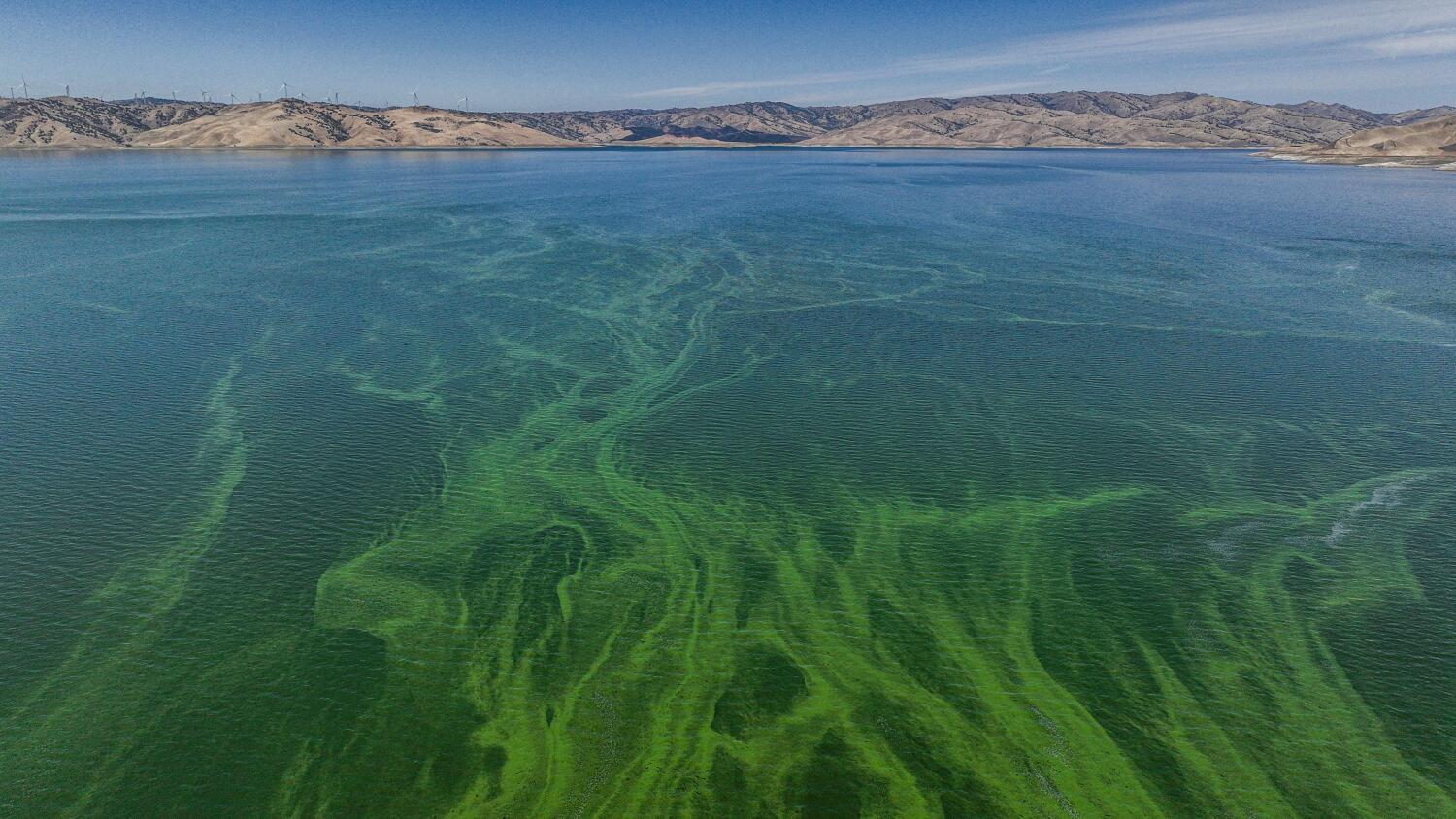
Artificial aquatic systems function as active biogeochemical reactors rather than inert storage basins. When engineering teams dam rivers to construct hydroelectric infrastructure or water supply networks, they submerge terrestrial biomass under standing water columns. This inundation triggers an immediate, sustained shift in local carbon dynamics. Oxygen diffusion halts at the sediment-water interface, establishing an anoxic environment where methanogenic archaea metabolize organic matter into methane and carbon dioxide.
Accounting for these fluxes requires moving past static emission factors. Regulatory frameworks historically categorized reservoirs as carbon-neutral or treated their atmospheric footprint as negligible compared to fossil-fuel combustion. Empirical field measurements dismantle this assumption. Methane possesses a Global Warming Potential roughly twenty-eight to thirty-six times greater than carbon dioxide over a century timescale, and up to eighty-four times greater over a twenty-year horizon. When reservoirs vent this gas, their short-term radiative forcing profile rivals or exceeds that of equivalent thermal power generation. You might also find this connected story useful: The Weight of Glass and Smoke.
California regulatory bodies are deploying systematic monitoring protocols to quantify these emissions. This operational shift exposes structural gaps in regional greenhouse gas inventories. To understand why previous accounting models missed these volumes, one must dissect the three primary pathways through which reservoirs release gases into the atmosphere: diffusion, degassing, and ebullition.
The Tripartite Mechanics of Reservoir Fluxes
Gaseous transfer from aquatic ecosystems to the atmosphere operates through distinct physical mechanisms. Each pathway demands different measurement frequencies, sampling equipment, and mathematical modeling. Treating them as a single aggregate metric produces severe estimation errors. As highlighted in recent reports by USA Today, the results are widespread.
Diffusive Fluxes
Diffusion represents the baseline transfer of dissolved gases across the air-water boundary. Driven by concentration gradients between the surface water and the overlying atmosphere, gases migrate upward through molecular agitation and turbulent mixing.
The rate of diffusion is governed by wind speed, surface water temperature, and gas solubility constants. This flux occurs continuously across the entire surface area of the reservoir. While its spatial density per square meter is often lower than other pathways, the cumulative surface area of a major impoundment makes diffusion a massive baseline contributor to annual carbon totals.
Degassing Fluxes
Degassing occurs downstream of hydroelectric turbines and spillways. Water drawn from the anoxic hypolimnion—the deep, oxygen-depleted layer of the reservoir—carries high concentrations of dissolved methane under high hydrostatic pressure.
As this water passes through penstocks and turbines, pressure drops abruptly. The sudden decompression forces dissolved gases out of solution, stripping methane into the air within meters of the dam infrastructure. This pathway creates localized emission hot spots that vary directly with operational water draw depths and turbine discharge rates.
Ebullition Fluxes
Ebullition, or bubbling, represents the most volatile and difficult-to-quantify emission pathway. Gas bubbles form within the organic-rich sediment layers at the bottom of the reservoir. As these bubbles accumulate, buoyancy overcomes the hydrostatic pressure and surface tension of the sediment matrix.
The gas breaks free and surges straight to the surface in irregular plumes. Because methane bypasses the oxygenated water column through ebullition, it escapes microbial oxidation that would otherwise convert it to carbon dioxide. Ebullition rates fluctuate wildly based on seasonal temperature swings, atmospheric pressure drops, and bathymetric profiles. Shallow littoral zones with high organic sedimentation exhibit extreme ebullitive bursts, whereas deep pelagic zones show lower frequencies.
The Operational Limits of Traditional Monitoring
Legacy carbon accounting relied on sporadic grab sampling and coarse regional averages. These methods fail when applied to dynamic aquatic systems for fundamental reasons rooted in spatial heterogeneity and temporal variance.
Spatial distribution within a reservoir is non-uniform. Methane production concentrates in riverine inflow zones where terrestrial organic matter drops out of suspension, and in shallow warm bays exposed to solar heating. Deep-water pelagic zones exhibit different biochemical profiles. Applying a single uniform emission factor across an entire surface area ignores these micro-basins.
Temporal variance complicates estimation further. Methane release is heavily pulsed. Sudden drops in barometric pressure trigger synchronized ebullitive release events across hundreds of acres. Seasonal thermal stratification cycles, known as turnover events, mix bottom waters with surface layers, causing massive episodic bursts of stored methane. A monitoring regime that samples water quality once a quarter will miss these high-intensity events entirely, leading to systemic underreporting of true carbon loads.
California tracking initiatives aim to resolve these blind spots by deploying continuous monitoring networks. These protocols combine floating chamber measurements, eddy covariance towers, hydroacoustic sonar for bubble detection, and satellite-based surface mapping. By capturing high-frequency temporal data across varying bathymetric zones, regulators can construct a mechanistic inventory rather than relying on statistical guesswork.
The Economic and Regulatory Fallout
Quantifying fugitive reservoir emissions carries immediate economic consequences for energy producers, water districts, and regional climate policy. As regulatory frameworks incorporate these measured volumes into mandatory reporting inventories, baseline compliance costs shift.
Hydropower, long marketed as a zero-emission renewable resource, must now factor its biochemical footprint into life-cycle assessments. If lifecycle emissions per megawatt-hour exceed specific thresholds, utilities face challenges in qualifying for clean energy credits or meeting strict corporate sustainability mandates. This creates an economic incentive to alter operational strategies.
Mitigation options remain constrained by physical reality. Operators cannot easily stop methanogenesis without altering the fundamental ecology of the water body. Potential interventions focus on selective withdrawal systems that draw water exclusively from well-oxygenated surface layers, minimizing downstream degassing. Other approaches include artificial oxygenation of the hypolimnion to suppress anaerobic archaea activity, though scaling these systems across massive reservoirs introduces prohibitive capital expenditures and high operational energy penalties.
Integrating empirical monitoring data into statewide carbon accounting transforms reservoirs from hidden emission liabilities into auditable variables. The transition from theoretical estimates to high-resolution spatial tracking establishes a rigorous foundation for future climate mitigation policy.
Implement continuous eddy covariance towers at key structural chokepoints and establish baseline ebullition mapping via hydroacoustic surveys before designing any downstream mitigation or carbon credit valuation models.