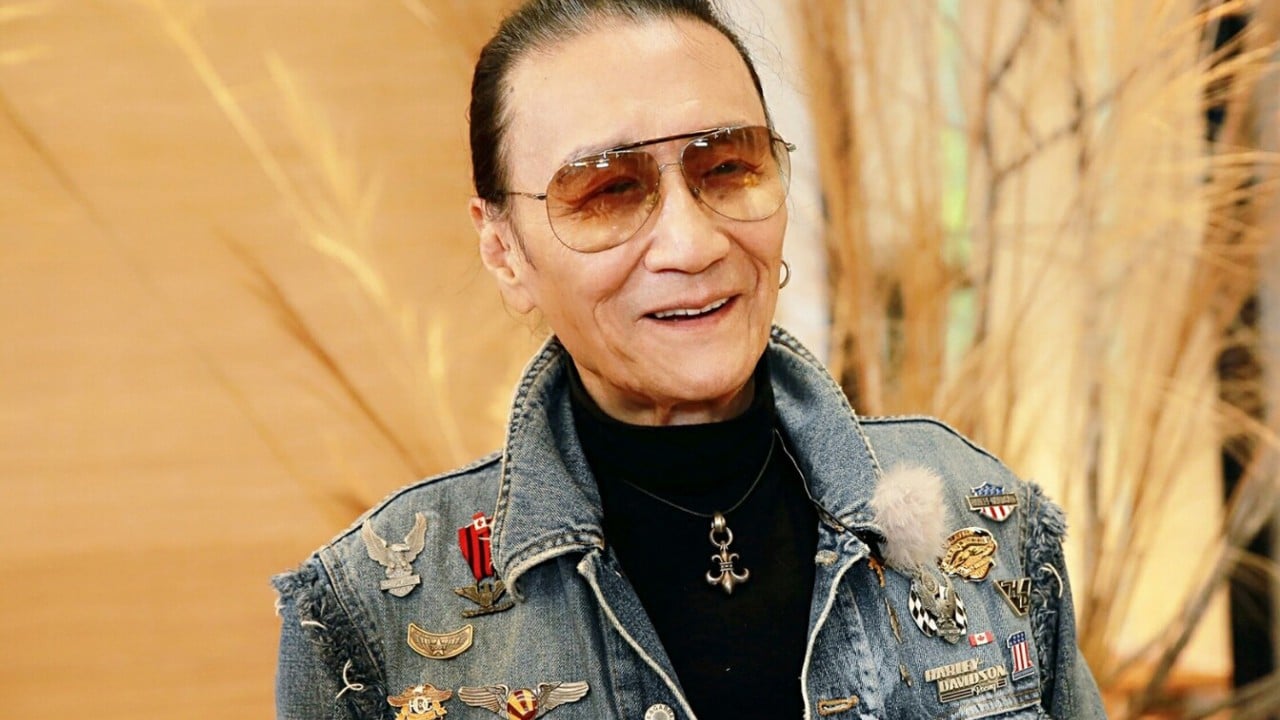
Public memory during celebrity passings operates as a real-time valuation mechanism for non-monetary capital built over a lifetime. When veteran Hong Kong cinema actor Patrick Tse Yin passed away at age 89, the flood of public reminiscences served as a case study in how unscripted interpersonal actions translate into enduring cultural brand equity. Rather than evaluating public legacy through standard performance metrics like box office receipts or award tallies, a functional model requires evaluating the operational mechanics of real-life public interactions.
The dynamic between public figures and audience sentiment rests on a structural framework consisting of three core pillars: micro-level behavioral consistency, crisis mitigation via direct accessibility, and the long-term compounding of unscripted personal conduct. Also making news lately: Why Malcolm-Jamal Warner Estate Fight Is a Cautionary Tale for Every Family.
The Three Pillars of Unscripted Brand Equity
Legacy preservation in high-visibility industries depends on minimizing the divergence between on-screen persona and off-screen behavior. When an individual operates under continuous public observation across a multi-decade horizon, maintaining brand integrity requires structural behavioral consistency rather than engineered public relations campaigns.
- Micro-Level Behavioral Consistency: Public sentiment is primarily shaped not by staged promotional events, but by random, low-stakes interactions. Reports of Tse extending basic courtesies—such as holding doors in public venues or teaching his children queue etiquette—function as transactional validation points for the public. These micro-interactions act as qualitative proof points that validate the artist's public image.
- Asymmetric Goodwill Generation: Random acts of intervention or grace yield disproportionate strategic value because they lack commercial intent. In incidents where fans breached boundaries—such as dialing personal home lines during his son Nicholas Tse’s rise to fame—converting a potential conflict into a calm, humorous exchange eliminated reputational downside while creating high-value word-of-mouth narrative capital.
- Decoupling Worth from Media Cycles: Paid public relations campaigns suffer from decay over time. Conversely, organic personal anecdotes shared by third parties carry an elevated credibility factor because they bypass traditional corporate communications channels.
The Cost Function of High-Visibility Accessibility
Maintaining an accessible posture carries operational risks. For public figures, the friction between security, privacy, and public rapport represents a constant trade-off. Additional information on this are explored by Bloomberg.
The cost function of public accessibility can be modeled through three variables:
- Privacy Infiltration Vulnerability: Direct lines of communication expose the figure to unauthorized contact and boundary breaches.
- Reputational Exposure Risk: Unfiltered interactions increase the probability of a misstep or misinterpretation under public scrutiny.
- Depreciation of Exclusivity: Excessive availability can diminish the perceived premium value of a high-profile figure's brand.
Tse managed this trade-off by applying a uniform protocol: treating external intrusions not as security threats, but as opportunities to project controlled warmth. When fans bypassed traditional security barriers, defusing the scenario through lighthearted engagement neutralised risk without increasing operational defense costs. This strategy converts high-risk friction points into low-risk reputational assets.
Structural Transmission Across Generations
A core vulnerability in public persona management is the difficulty of transferring reputational assets across generational lines. In entertainment dynasties, second-generation figures often face public skepticism or fatigue.
The mechanism through which Tse buffered this dynamic involved modeling behavioral norms directly to the public. By publicly demonstrating humility and requiring his children to observe basic social norms in everyday environments, he created a protective buffer around his successor's early career. When his son Nicholas entered the industry, the baseline public trust established by the father mitigated the natural hostility often directed toward industry scions.
[Father's Behavioral Consistency] ---> [Public Trust Baseline]
                                                |
                                                v
[Son's Career Launch] ------------> [Mitigated Friction & High Initial Goodwill]
This transmission model proves that long-term brand equity operates as a multi-generational asset when anchored in consistent personal conduct rather than transactional PR.
Strategic Execution for Contemporary Persona Management
Modern talent management systems over-index on curated digital media while neglecting the strategic value of real-world behavioral protocols. To build durable cultural capital that withstands changing media cycles, talent operations must reallocate focus from short-term visibility to systematic behavioral discipline.
Deploy an operational strategy centered on three execution directives:
- Eliminate Artificial Friction in Low-Stakes Environments: Treat every non-commercial interaction as a permanent record of character. The operational mandate must prioritize uniform courtesy over selective engagement.
- De-escalate Boundary Incursions Without Aggression: When audience enthusiasm breaches boundary protocols, default to calm de-escalation over public confrontation. Confrontation compounds negative narrative risk, whereas graceful resolution generates long-term brand protection.
- Prioritize Behavioral Authentic Continuity Over Campaign Curation: Curation degrades under pressure; authentic behavioral consistency compounds over decades, providing the ultimate structural hedge against media volatility and brand obsolescence.