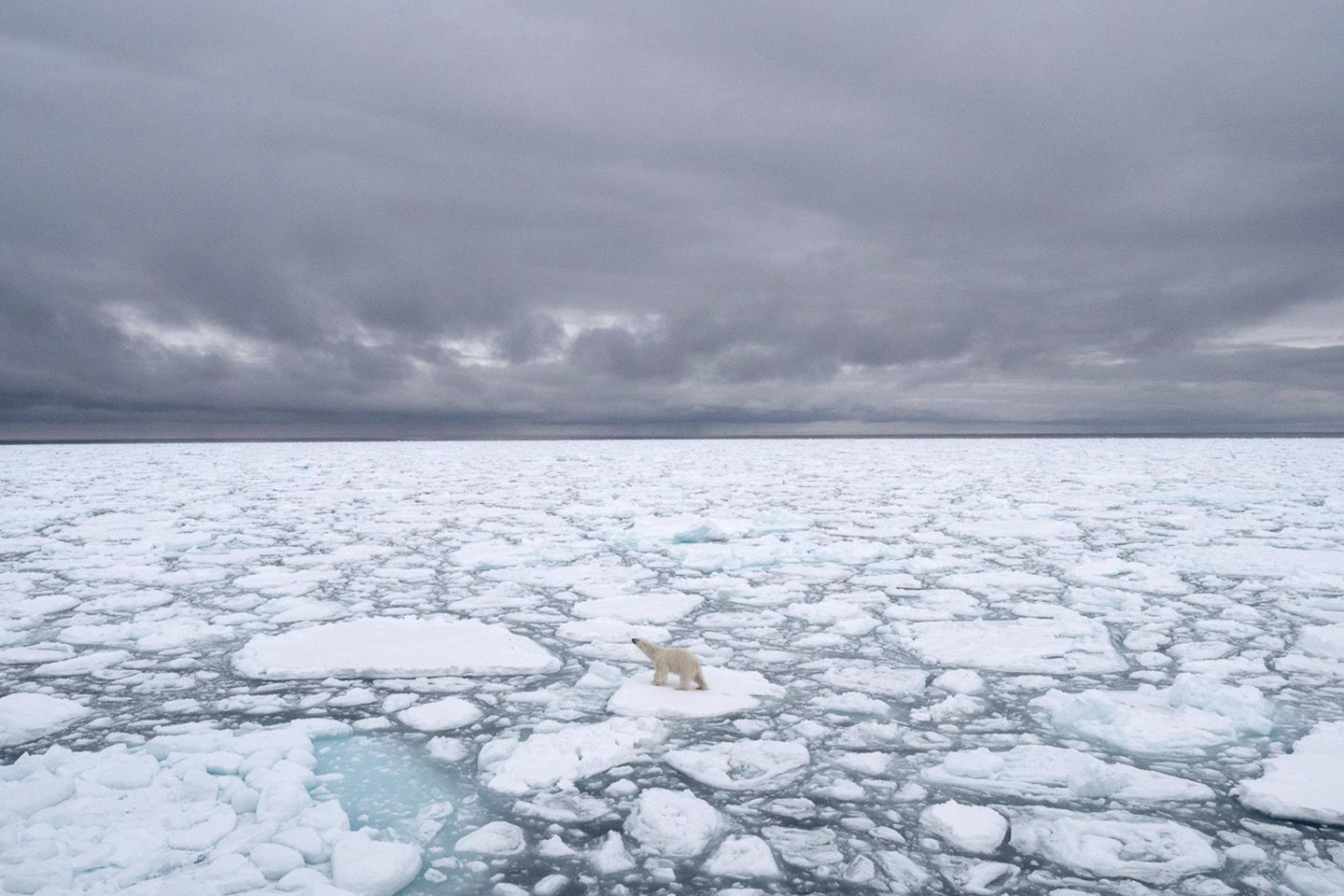
The internet went wild over a standard regulatory headline out of Svalbard. A boat rider spots a polar bear on the ice, hits a horn to scare it off, and gets slapped with a heavy fine by the Governor. The public reaction was predictable. Armchair environmentalists cheered, treating the fine as a moral victory for wildlife protection.
They are dead wrong.
People love a neat narrative of humans versus nature where the human is always the villain and the animal is a helpless icon. I have spent years working alongside wildlife management teams and navigating high-latitude jurisdictions where human-wildlife overlap is a daily operational hazard. I have seen conservation budgets blown on theatrical optics that punish trivial infractions while ignoring systemic, fatal failures.
This fine is not conservation. It is bureaucratic vanity. By penalizing a boat operator for actively hazing a predator away from a vessel, authorities are incentivizing a much deadlier outcome: the habituation of polar bears to human presence.
The Lazy Consensus on Wildlife Disturbance
The mainstream take on this incident relies on a fundamental misunderstanding of animal behavior. The assumption is simple: any human action that alters an animal's immediate state is harmful harassment. If the bear stops walking, looks up, or reacts to a noise, you have committed an environmental crime.
This view treats wild animals like glass ornaments. It assumes that nature is a static museum exhibit where our only ethical duty is to tiptoe past and pretend we do not exist.
Real wilderness does not work that way. Apex predators are risk-minimizers. When a polar bear encounters a boat, its default response should not be calm indifference or aggressive curiosity. Its default response should be avoidance.
Hazing works. Loud noises, engine revs, and horns create a negative association with humans and machinery. They reinforce the ancient, healthy fear that keeps bears out of settlements, away from tourist camps, and far from the rifle barrels of safety guards.
When you fine a captain for using a horn to establish boundaries, you send a chilling message to every other operator in the Arctic: do nothing, wait, and hope for the best.
The Deadly Mechanics of Bear Habituation
Let us look at what happens when human-bear interactions go unmanaged or overly passive.
Bears are intelligent, energy-conservative opportunists. If a polar bear wanders near a boat or a shore station and experiences zero negative stimuli, it learns a dangerous lesson. It learns that humans smell like potential food sources, possess interesting metal objects, and pose no immediate threat.
This is how bears become habituated. A habituated bear loses its natural wariness. It wanders into camps. It paws through garbage. It approaches zodiacs filled with tourists looking for a closer photo.
And then what happens?
Once a bear crosses that psychological threshold and stops fearing us, its days are numbered. It becomes a public safety hazard. Wildlife officers are forced to tranquilize and relocate it—which rarely works long-term—or shoot it dead.
The fine issued in Svalbard punishes a proactive operator for preventing a worst-case scenario. By discouraging non-lethal deterrence, the authorities are prioritizing an abstract, pristine aesthetic over the actual survival of the animal. They want the pristine snapshot of a bear undisturbed on the ice, even if that bear ends up catching a bullet next month because it lost its fear of man.
The Cost of Performative Regulation
Governments love high-profile fines because they look decisive. They generate headlines in major newspapers, satisfy international conservation watchdogs, and require very little systemic investment.
I have watched agencies trade genuine, gritty risk management for PR-friendly enforcement. Handing out a fine for a horn blast takes an afternoon of paperwork and sends a press release to Oslo. Fixing the actual infrastructure gaps that draw bears toward human habitation? That costs millions, requires difficult negotiations with industrial stakeholders, and lacks the immediate dopamine hit of a righteous sanction.
The truth is that operating in the high Arctic is inherently messy. Rules designed from cozy administrative desks in southern capitals often ignore the granular reality of the field. When a massive carnivore is closing the distance on your vessel, you do not pull out a rulebook to debate the fine nuances of acoustic disturbance. You use every tool at your disposal to create space.
If regulators want to protect polar bears, they should stop prosecuting captains who manage immediate threats and start funding the grueling, unglamorous work of waste management, shore-station security, and practical deterrent training.
The Counter-Intuitively Safe Approach
If you are on the water in bear country, forget the glossy pamphlets telling you to remain entirely invisible and silent. Silence in front of a curious predator is an invitation.
Here is what actually keeps both humans and bears alive:
- Establish dominance early: Do not wait until the animal is fifty feet away to make your presence known. Sound travels poorly over churning water and drifting ice. Use horns or sharp engine shifts before the animal enters your immediate safety bubble.
- Prioritize negative reinforcement: You want the bear to leave the encounter thinking that human encounters are loud, unpleasant, and annoying.
- Reject passive observation: If tourists are pressuring your crew to idle quietly so they can get a cinematic video of a bear sniffing the hull, turn the vessel around and move away. Silence breeds dangerous familiarity.
The regulators want compliant victims. The ecosystem requires competent actors willing to make harsh, practical choices in real time.
Every time an authority penalizes a captain for hazing a bear away from danger, they pull the trigger on the next animal that loses its fear of man.