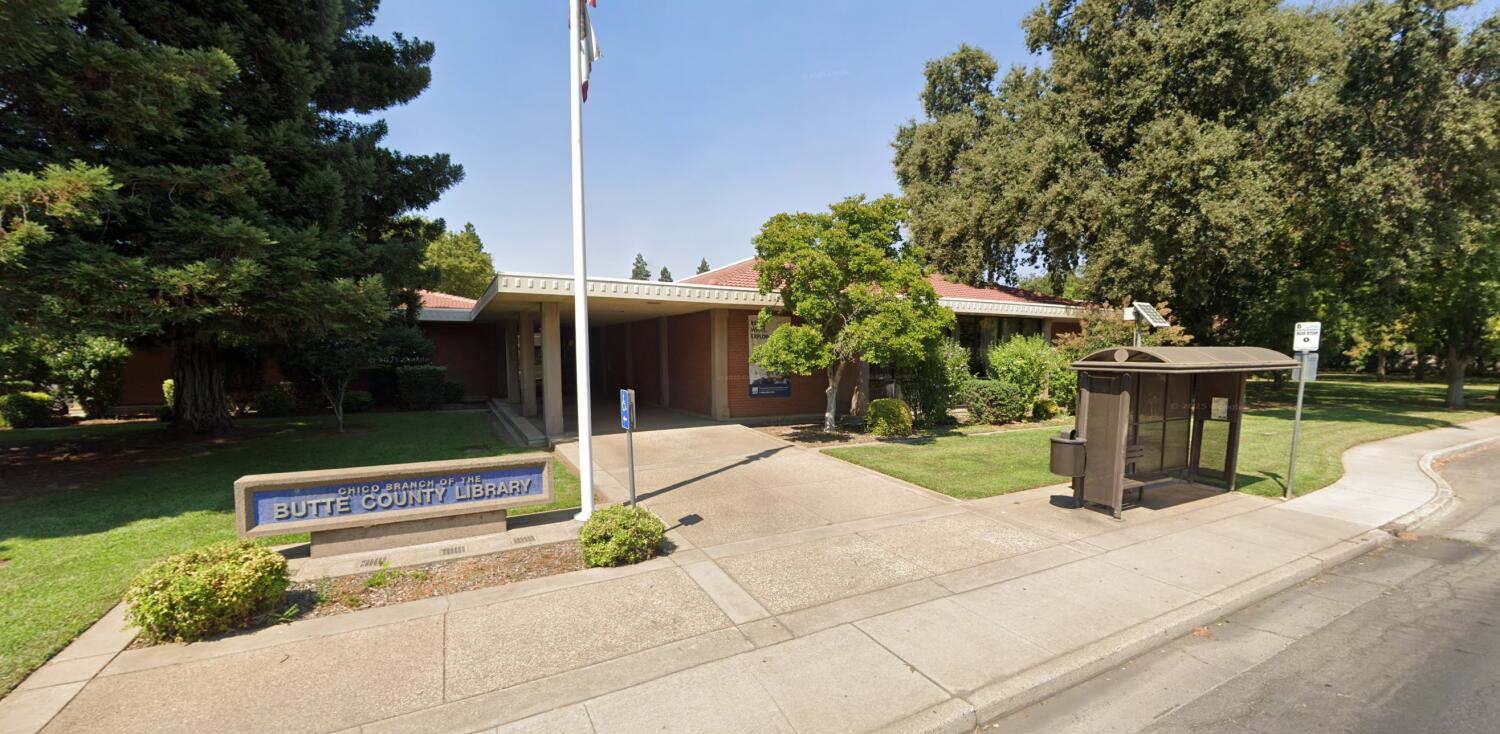
A horrific shooting inside a California library that left two adults dead and a child injured is not an isolated tragedy. It is the predictable flashpoint of a structural crisis. For over a decade, America’s public libraries have been quietly forced to transform from quiet community sanctuaries into underfunded, front-line crisis centers. When local governments gut mental health infrastructure, defund social services, and fail to address addiction, the library becomes the de facto shelter of last resort. Forcing librarians to double as security guards and social workers has created a volatile environment where catastrophic violence is now a recurring threat.
The immediate reaction to violence in civic spaces follows a familiar script. Local officials offer condolences, call the act senseless, and promise a thorough investigation. But calling these events senseless ignores the systemic failures that make them highly predictable. Recently making news lately: The Frictionless Expansion Paradox: Quantifying BRICS Security Integration and Bilateral Bottlenecks.
Public libraries operate under a strict open-door policy. They are among the last remaining indoor spaces in modern society where a person can exist for hours without the expectation of spending money. This radical accessibility is a beautiful democratic principle, but it has been weaponized by civic neglect. When a city closes its mental health clinics or fails to provide adequate shelter beds, those vulnerable populations do not vanish. They go to the library.
The Impossible Mandate of the Modern Librarian
Librarians are trained in information architecture, literacy programming, and archival science. They are not trained in de-escalation tactics, narcotics overdose response, or active shooter survival. Yet, on any given day, a suburban or urban librarian might be asked to perform all of these tasks. More information on this are explored by NBC News.
The burden of maintaining order has shifted entirely onto a workforce that is fundamentally unequipped for conflict resolution. Many institutions have attempted to patch the gap by hiring private security guards. This fix is often cosmetic. Low-wage security contractors frequently lack the training to handle complex behavioral health crises, sometimes escalating minor verbal altercations into physical confrontations.
When security is inadequate, the burden falls back on the staff. This creates a chronic state of hyper-vigilance. Employees are forced to scan rooms for potential threats rather than helping patrons find resources. The psychological toll is driving experienced professionals out of the field, leaving institutions even more vulnerable due to high turnover and a lack of institutional memory.
Architectural Vulnerabilities by Design
The physical layout of the traditional public library actively works against modern security protocols. Built to be bright, welcoming, and easily navigable, these buildings feature expansive open floor plans, high ceilings, and minimal internal barriers.
+--------------------------------------------------------+
|                      MAIN ENTRANCE                     |
+--------------------------------------------------------+
|                                                        |
|   [Open Lobby / Atrium]                                |
|   Sightlines open to all wings                         |
|                                                        |
|   +-------------------+        +-------------------+   |
|   |   STACKS WING A   |        |   STACKS WING B   |   |
|   |   High shelves    |        |   High shelves    |   |
|   |   Blind spots     |        |   Blind spots     |   |
|   +-------------------+        +-------------------+   |
|                                                        |
|   [Central Circulation Desk]                           |
|   Exposed position, no physical barriers               |
|                                                        |
|   +------------------------------------------------+   |
|   |               CHILDREN'S SECTION               |   |
|   |               Soft barriers only               |   |
|   +------------------------------------------------+   |
+--------------------------------------------------------+
These open sightlines mean a single perpetrator can command a massive space instantly. High book stacks create labyrinthine blind spots where individuals can hide or trap others. Most critically, children’s sections are rarely secured by physical access controls, usually separated from the main adult reading rooms by nothing more than low-set shelving or colorful signage.
Retrofitting these historic or architecturally significant buildings is a bureaucratic nightmare. Installing metal detectors or turnstiles destroys the core mission of open access, creating a psychological barrier for the marginalized communities that need the space most. It also costs money that municipal budgets simply refuse to allocate.
The Cost of the Open Door Policy
The debate over how to secure public libraries always collides with the philosophical reality of their existence. If you require government identification to enter, you lock out the unhoused and the undocumented. If you implement aggressive physical screening, you transform a community hub into a checkpoint.
"The moment we turn the library into a fortress, we have allowed the collapse of the social safety net to claim another victim. We shouldn't have to choose between a welcoming space and a safe one."
This friction creates policy paralysis. Local boards debate the ethics of bag checks while staff members worry about what is hidden inside those bags. In the absence of clear, unified standards, individual library systems are left to patch together their own safety policies. Some ban large backpacks; others install panic buttons under desks. None of these piecemeal strategies address the root cause of the volatility walking through the front door.
Funding Shifting Priorities Over Hard Infrastructure
Municipalities regularly boast about increasing library budgets, but a closer look at the line items reveals a disturbing trend. Capital flight from social services has forced libraries to spend their limited resources on initiatives that have nothing to do with books.
- Hiring peer navigators: Libraries are dedicating funds to employ social workers to manage the high volume of patrons experiencing homelessness or addiction.
- Purchasing medical supplies: Budgets now routinely include bulk orders of opioid reversal medications like Narcan.
- Staff trauma counseling: Money that once went to purchasing new databases is diverted to help staff cope with the secondary trauma of managing daily crises.
Every dollar spent acting as an ad-hoc social service agency is a dollar not spent on hardening entry points, upgrading communication systems, or hiring properly trained, trauma-informed security personnel. The system is cannibalizing its own infrastructure to survive the day-to-day pressure.
Demanding a Hard Realignment of Civic Responsibilities
We cannot separate the violence inside a California library from the broader abandonment of public infrastructure. Expecting a local library board to solve the compounding crises of gun violence, mental illness, and homelessness is a delusion.
Cities must stop treating libraries as catch-all dump sites for the problems they refuse to fund elsewhere. If a city expects a library to serve as a warming center, a mental health drop-in zone, and a community living room, it must fund and staff it with the specific professionals those roles require.
This means embedding dedicated mental health clinicians permanently within high-traffic branches, completely separate from the library staff. It means establishing clear, enforceable thresholds for behavior that trigger immediate removal, moving past the fear of bad public relations to protect the lives of workers and children.
The tragedy in California is a warning that the boundary between an open civic space and a soft target has completely dissolved. Continuing to operate under the nostalgic myth of the quiet, low-risk neighborhood library is no longer just negligent. It is fatal.

/https://tf-cmsv2-smithsonianmag-media.s3.amazonaws.com/filer/c6/97/c697b065-e0bd-4970-81ea-819779296b91/u765404inp.jpg)
