Trash-talking your opponent is as old as sport itself. It belongs in the locker room, on fan forums, and between rival supporters at the local pub. But when a major market news anchor uses a live television broadcast to boast about not knowing basic global geography, the joke usually falls flat.
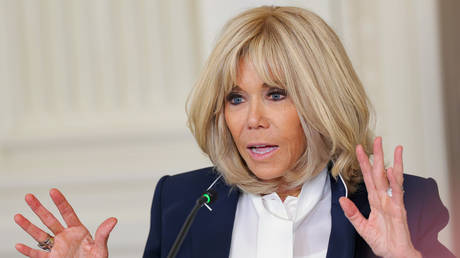
That is exactly what happened when ABC7 Los Angeles reporter and fill-in anchor Abigail Velez decided to riff on air about the United States Men’s National Team playing Bosnia and Herzegovina in the World Cup Round of 32.
Reporting live from Long Beach, California, Velez attempted to build hype for the upcoming knockout match. Instead, she sparked an international incident.
"One thing about Bosnia, I could not point out where it is on a map," Velez said during the live June 25 broadcast. She did not stop there. "I don't know the first thing about Bosnia, and I don't wanna know. That's because Team USA, we're back, we're better than ever. Get prepared Bosnia, because you don't want it."
The backlash was instant, global, and fierce. Within 48 hours, the clip amassed over nine million views on X, drawing heavy criticism from soccer fans, journalists, and the Bosnian diaspora. By Saturday, Velez was forced to issue a formal apology on her social media channels, admitting her comments were thoughtless, insensitive, and inappropriate.
The Line Between Sports Banter and Proud Ignorance
Sports reporting allows for more casual energy than hard news. Fans love passion, and local broadcasts frequently lean into a bit of home-team bias. But there is a massive difference between hyping up your squad and dismissing an entire nation on television.
Velez’s comments rubbed people the wrong way because they tapped into a deeply frustrating stereotype: the globally unaware American who wears a lack of education like a badge of honor. Saying you do not know where a country is on a map is one thing. Publicly declaring that you do not want to know crosses from a lack of knowledge into active disrespect.
For a journalist, the standard is supposed to be higher. Broadcast professionals are paid to research the subjects they discuss. Dismissing an entire sovereign nation—especially one with a complex, painful modern history and a deeply proud culture—as entirely irrelevant just because they are playing Team USA felt less like clever trash talk and more like sheer laziness.
Why the World Cup Context Changes Everything
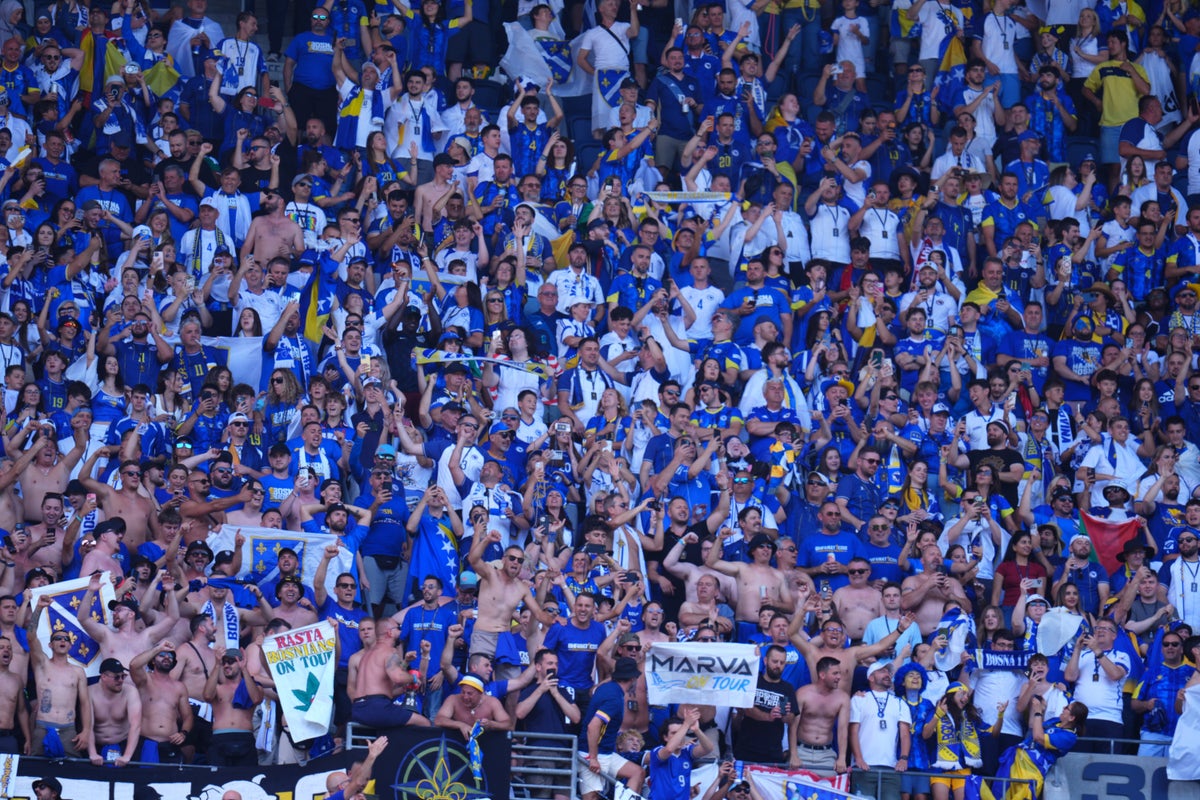
The World Cup is not the NFL or MLB. It is a global tournament built on international diplomacy, culture, and mutual respect. For smaller nations, qualifying for the knockout rounds is an immense point of national pride.
Bosnia and Herzegovina is not a hobby team. The nation features elite athletes playing in the top leagues in Europe. Treating them like an anonymous, invisible opponent did not sit well with international football fans who expect broadcast journalists to understand the gravity of the tournament.
Interestingly, the blunder also created an incredibly awkward internal situation at ABC. Industry insiders quickly pointed out that the president of ABC News, Almin Karamehmedovic, was born in Sarajevo, the capital of Bosnia and Herzegovina. While there is no indication that corporate leadership stepped in to mandate the apology, the connection highlights just how small the media world really is—and why doing basic homework matters before you speak into a live microphone.
The Apology and What Happens Next
As the viral clip gained traction, the narrative shifted from a local sports preview to a textbook example of poor broadcast etiquette. On June 27, Velez released a statement attempting to clean up the mess.
"In a poor effort to have a little fun with World Cup competition, I took it too far and made a thoughtless comment on air that was insensitive and inappropriate," Velez wrote. "I apologize to the people of Bosnia and the Bosnian Football team. The World Cup is supposed to be about uniting communities around the world, and my comment didn't reflect that spirit."
While some online fans tried to defend the remarks as harmless pre-game banter, the consensus among journalists was clear. Professional media figures cannot afford to mistake ignorance for a punchline.
If you are a young reporter or an aspiring sports journalist, take note of this situation. The easiest way to protect your career is to simple: do the prep work.
Before you cover an international opponent, open a tab, look up their roster, learn how to pronounce their names, and yes, figure out where they are on a map. Treating your subjects with basic professional respect will save you from becoming the next cautionary viral video.