You have probably seen the heartbreaking footage. Orange skies choking out the Parthenon, towering flames chewing through the Peloponnese pine forests, and smoke rolling over the birthplace of the Olympic Games. When summer temperatures across the Mediterranean soar past dangerous thresholds, Greece faces an existential test. Tourists sweat through shortened opening hours at the Acropolis, and firefighters work overnight shifts trying to save antiquity from absolute ash.
Protecting ancient ruins from wildfires is not just about turning on sprinklers. It is an administrative, ecological, and engineering nightmare that pits modern climate reality against thousands of years of stone and soil.
The Core Problem With Ancient Stones and Modern Fire
Greece holds some of the most precious historical real estate on the planet. From Delphi to the rugged slopes of Olympia, these sites were built for defense, religion, or community gathering—not for modern fire management. They are frequently tucked away in remote valleys or perched on rugged hillsides choked with dry summer vegetation.
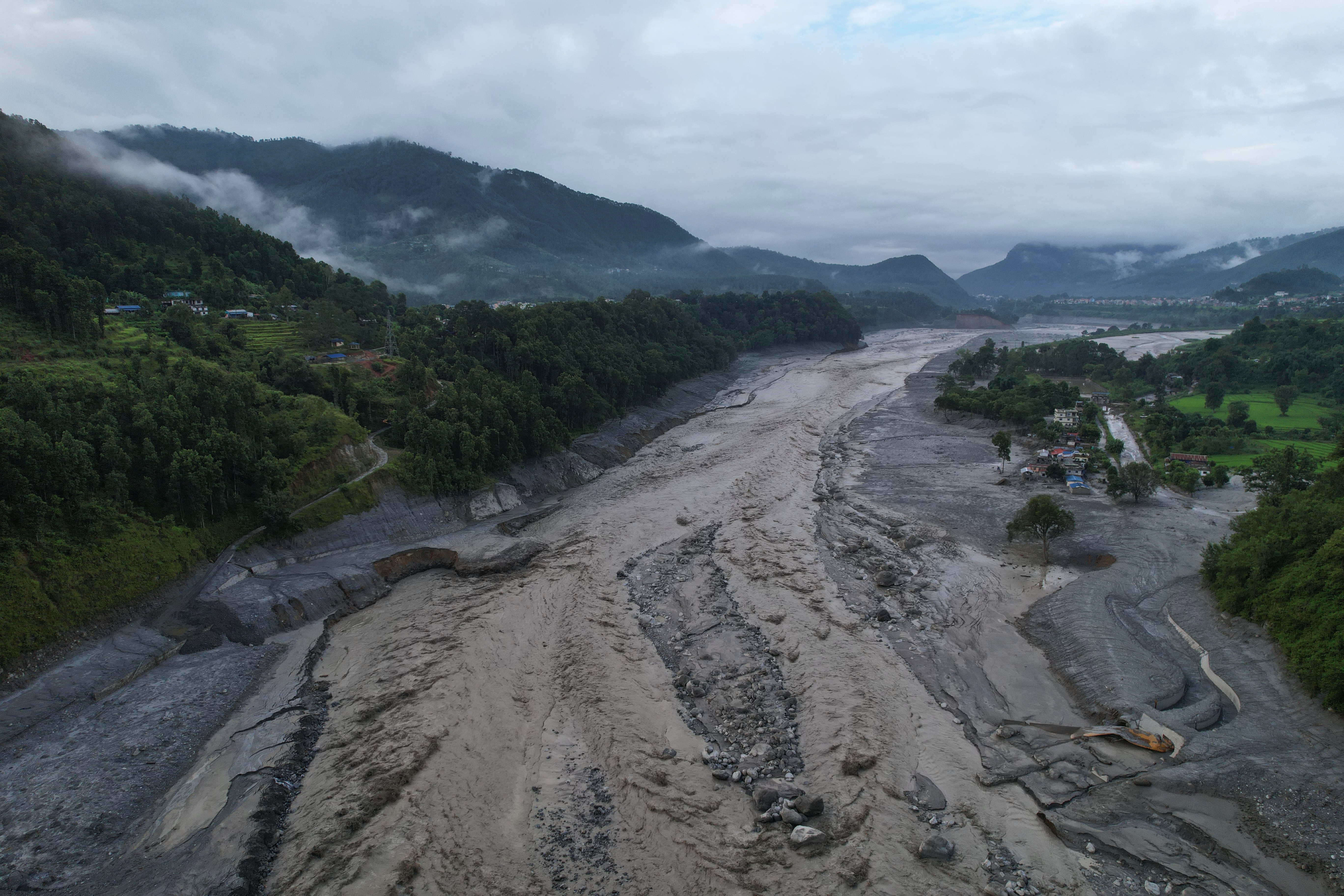
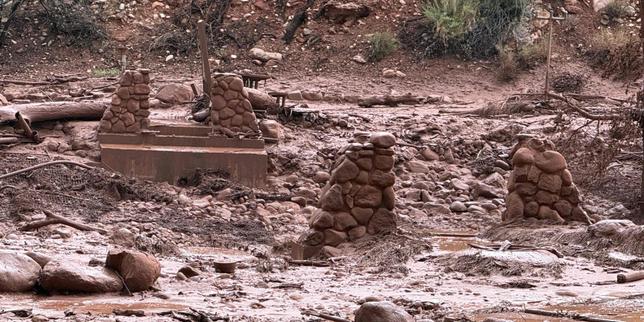
When a crown fire sweeps through a Mediterranean pine forest, the radiant heat alone can crack marble, shatter limestone, and alter the chemical composition of ancient terracotta. Worse yet, the aftermath brings secondary disasters. Without tree roots to anchor the soil, sudden autumn rainstorms turn scorched earth into mudslides that wash away ruins faster than the fire itself.
For decades, heritage management relied on pure luck and reactive firefighting. If a blaze approached, fire trucks rushed in, crews hacked out makeshift fire lines with hand tools, and everyone hoped for the wind to shift. That approach stopped working a long time ago.
Moving Beyond Reactive Scrambles
The Greek Ministry of Culture launched a massive strategic pivot to move away from crisis management and toward predictive defense. Partnering with institutions like the National Observatory of Athens, the government mapped out a long-term framework targeting vulnerable cultural landscapes.
Nineteen major historical monuments serve as pilot locations for deep structural adaptation, with dozens more being integrated into wider civil protection networks. This is not just about clearing brush. It is an intricate web of modern technology meeting ancient history.
Sites are rolling out advanced detection technology, including thermal and optical cameras with full rotation capabilities, automated fire alarms, local meteorological stations, and dedicated regional control centers. Places like Knossos, the Palace of Nestor, and Delphi are getting specialized infrastructure updates designed to spot smoke before a spark turns into a wall of flame.
Why Traditional Environmental Laws Used to Block Safety
If you talk to local foresters and heritage officials, they will tell you about a massive bureaucratic hurdle that took years to untangle: environmental protection laws.
Twenty years ago, cutting down trees or carving wide firebreaks inside or immediately adjacent to protected archaeological zones was practically illegal. Environmental regulations treated the surrounding flora as sacred, locking heritage managers into a hands-off approach. Ecologists wanted to preserve natural habitats, while archaeologists wanted to protect monuments, leaving the space between them dangerously overgrown.
That mindset has shifted out of sheer necessity. Officials now recognize that you cannot save an ancient temple if you leave a tinderbox touching its outer walls. Clearing dense underbrush, creating strategic buffer zones, and setting up portable firefighting cannons directly inside fragile zones are now standard protocol. It is a messy compromise between strict conservation and raw survival.
The Logistics of Defending Remote History
Fighting a fire near a modern building is tough enough. Doing it around a 3,000-year-old sanctuary with narrow dirt paths, restricted vehicle weight limits, and strict zero-damage mandates is another tier entirely.
Standard municipal fire engines are often too heavy or too wide to navigate the approach roads of remote archaeological locations. Specialized regional teams now rely on nimble, four-wheel-drive tactical units outfitted with high-pressure water jets capable of spraying retardant or water from a safe distance.
During peak festival and tourist seasons, when thousands of people crowd into open-air ancient theaters and historical venues for summer performances, the pressure multiplies. Contingency plans require certified safety crews, live aerial drone surveillance for hot spots, and pre-calculated evacuation routes that can move crowds away from narrow valleys before smoke cuts off visibility.
What Actually Works on the Ground
If you want to know what real wildfire resilience looks like in a country baked by climate change, look at the integration of data and physical clearing.
- Aggressive underbrush thinning ahead of every dry season to eliminate ladder fuels.
- Automated sensor networks transmitting real-time wind and humidity data directly to regional fire brigades.
- Dual-purpose infrastructure that provides emergency vehicle access without destroying the underlying archaeological strata.
Greece is writing the playbook on how an ancient nation adapts to a very modern fire crisis. The margins for error are razor-thin, and every dry summer brings a new test of these defenses. Next time you visit a classical ruin, look past the marble pillars and notice the cameras, the cleared buffer zones, and the quiet tech keeping history standing.