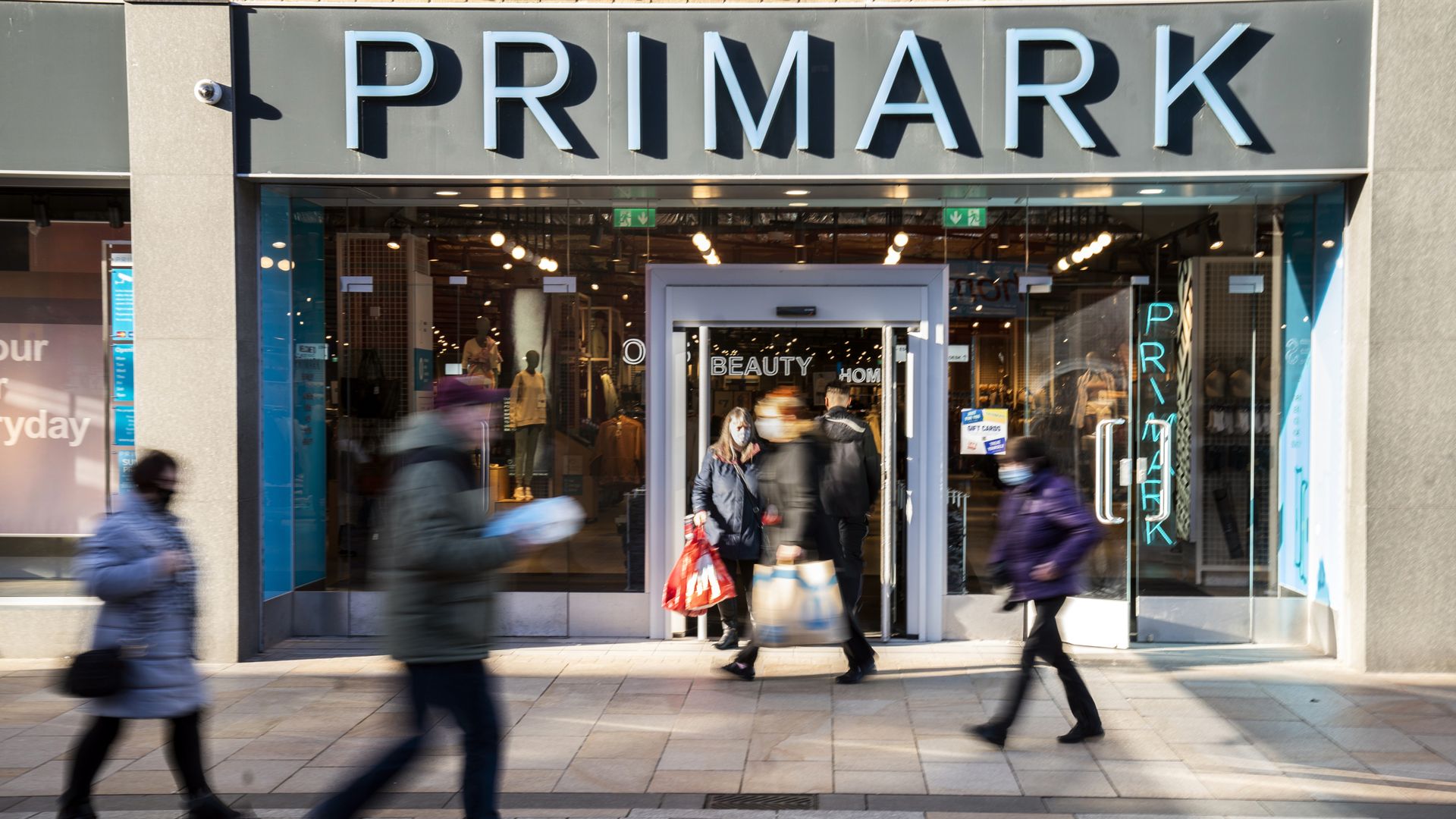
Associated British Foods (ABF) isn't just a food company, and it isn't just a fashion retailer. It's a massive, sprawling conglomerate that has spent decades shielding the Primark brand from the volatility of the high street. But the safety net is being pulled back. For years, investors have begged for a Primark demerger. They wanted the retail giant to stand on its own two feet, free from the cycles of sugar prices and agricultural commodities. Now, the conversation has shifted from "if" to "how" Primark can maximize its potential after surviving a brutal series of global shocks.
Why the old ABF model hit a wall
The logic behind keeping Primark under the ABF umbrella was simple. Diversification. When the retail market tanked, the grocery and ingredients divisions provided a steady stream of cash. It worked. During the lockdowns of 2020 and 2021, Primark had zero online presence and zero revenue. It was a terrifying moment for the brand. ABF’s balance sheet was the only thing that kept the lights on.
But times have changed. The "safety" of a conglomerate often comes at a cost to growth. Primark is no longer a small UK experiment. It's a global powerhouse with a massive footprint in Europe and an aggressive expansion plan in the United States.
Investors hate complexity. They want to buy a retail stock or a food stock. They don't usually want a weird hybrid of both. When you bundle these things together, the market often applies a "conglomerate discount." This means the total value of the company is seen as less than the sum of its parts. By splitting Primark away, ABF aims to unlock that trapped value. It's about letting Primark be judged on its own merits.
Resilience in the face of inflation and supply chains
You can't talk about Primark without talking about the "successive shocks" it's endured lately. First, it was the pandemic. Then, it was the massive spike in energy costs and shipping fees. For a brand that thrives on razor-thin margins and high volume, inflation is a nightmare.
Primark refused to raise prices for a long time. They banked on customer loyalty. Eventually, they had to nudge prices up, but they did it strategically. They focused on essentials. They kept the entry-price points low while adding "premium" ranges like the Edit collection to capture a different kind of shopper.
This resilience proved something to the market. Primark isn't just a "cheap" store. It's a destination. People didn't stop going there when things got tough; they actually went more because their budgets were squeezed. This kind of "defensive" retail performance makes a demerger much more attractive to big institutional investors. They see a business that can handle a crisis and still come out swinging.
The American dream is finally looking real
For a long time, the US market was the graveyard of British retailers. Marks & Spencer failed. Tesco failed. Topshop failed spectacularly. Primark was supposed to be next.
But it wasn't. Primark took a slow, methodical approach in the States. They didn't open 50 stores at once. They started in the Northeast, learned how Americans shop, and realized they needed to adjust their sizing and their marketing.
The growth in the US is a huge driver for the demerger strategy. To win in America, you need serious capital. You need to be able to move fast. Being tied to a food company's budget cycle isn't ideal for a fast-fashion sprint across the Atlantic. A standalone Primark could raise its own debt or issue its own shares specifically to fund this American expansion.
Right now, Primark has around 25 stores in the US, with a goal of hitting 60 by the end of 2026. That's a lot of real estate. It's a lot of risk. But it's also where the massive "potential" lies. If they crack the US, Primark becomes a different beast entirely.
Dealing with the digital elephant in the room
Primark’s biggest weakness was always its lack of e-commerce. While everyone else was pivoting to home delivery, Primark stayed offline. They argued that the cost of shipping a £5 t-shirt and the cost of processing a return made it impossible to stay profitable.
They were right. Most fast-fashion brands lose money on every online order.
Instead of a full delivery model, Primark launched "Click and Collect." It’s a genius middle ground. It gets people into the physical stores. Once you're in there to pick up your order, you almost always buy something else. You see a pair of socks, a candle, or a bag of hair clips. The average basket size for a Click and Collect customer is significantly higher than a standard walk-in.
This digital evolution is key to the demerger. It shows that Primark isn't a dinosaur. It has a tech strategy that actually makes sense for its price point. It’s not just copying Zara or H&M. It's doing its own thing, and it's working.
What a standalone Primark looks like for you
If the demerger fully goes through, expect a more aggressive Primark. They’ll likely lean harder into collaborations. We’ve already seen the success of their Greggs and Disney lines. These aren't just clothes; they're cultural moments.
A standalone company has more freedom to take risks. They might experiment with different store formats. Think smaller, boutique-style shops in high-traffic city centers or even bigger flagship experiences that feel more like theme parks than retail stores.
For the average shopper, this is good news. It means more stores, better stock levels, and a brand that is laser-focused on one thing. They won't be distracted by the price of wheat or the logistics of sugar refining.
The logistics of the split
Don't think this is a simple process. ABF has deep roots. The Weston family, who control ABF, are notoriously cautious. They won't rush this. They'll wait for the perfect market conditions.
The demerger involves massive legal and tax hurdles. They have to decide how to split the debt. They have to figure out how much of the "central" services—like HR and IT—stay with the food side and how much goes to the retail side.
There's also the question of leadership. Primark has a strong management team, but running a public company is different from running a division. They’ll need a board that understands the nuances of global fashion, not just the basics of retail operations.
Moving forward with the new Primark
If you’re watching this from the outside, pay attention to the store opening numbers in the US and the expansion of the Click and Collect service. These are the two biggest indicators of whether the demerger will be a smash hit or a quiet disappointment.
Keep an eye on the quarterly reports from ABF. Look for "segmental reporting." This is where they break down the profit margins for Primark specifically. If those margins continue to improve despite the economic headwinds, the pressure for a full split will become unbearable.
The "conglomerate discount" is real, and the market is getting impatient. Primark has grown up. It’s time for it to leave the nest and see just how big it can get on its own.
Investors should watch for any signs of a "spin-off" announcement. This is usually when shareholders get shares in the new company. If you're a fan of the brand, just keep an eye on the racks. A more independent Primark is likely to be a faster, bolder version of the store you already know.
Start by looking at your own local high street. Is Primark the busiest store? Usually, the answer is yes. That foot traffic is the ultimate proof of the brand's power. No matter what happens with the corporate structure, the core mission remains the same. Cheap, trendy clothes for everyone. Now, they just want to do it on a much bigger stage.
Check the ABF investor relations page every few months. Look at the balance sheet. If the "Net Cash" position stays strong, the demerger is more likely. They need a big pile of money to execute this properly. If the cash starts to dip, they might wait. It's a game of patience and timing.