When content creator Nara Smith stepped in front of her camera to announce that her two-year-old daughter, Whimsy Lou, had been battling advanced cancer, the internet experienced a collective shudder. For a digital audience accustomed to immaculate baking videos, soft-spoken voiceovers, and an almost ethereal depiction of domestic life, the sudden intrusion of pediatric oncology felt like a glitch in the simulation. The 24-year-old model and her husband, Lucky Blue Smith, had spent months privately navigating chemotherapy treatments, hospital stays, and a cancer that had already begun to spread. They did so while maintaining a highly profitable online aesthetic that thrives on tranquility and meticulous control.
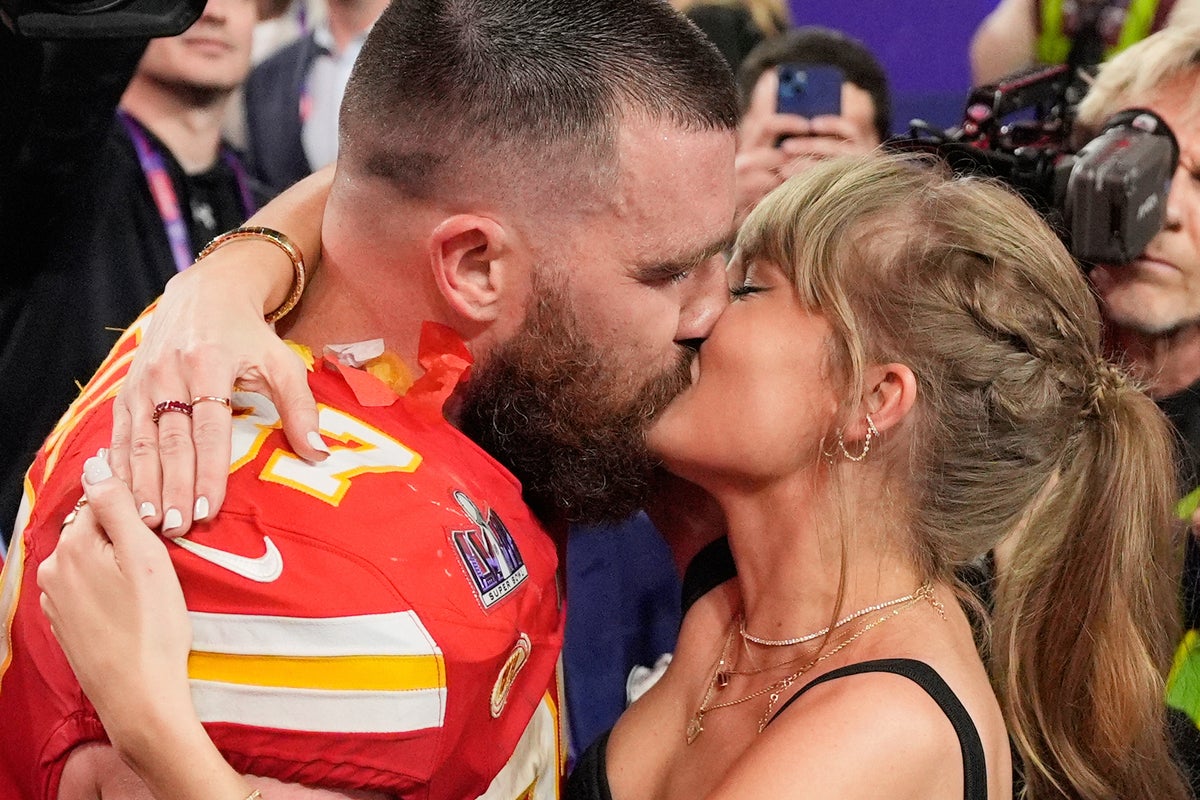
This sudden revelation exposes the deep friction at the heart of the modern attention economy. When your entire career is built on presenting a flawless, serene domestic environment, how do you survive a crisis that is inherently chaotic, sterile, and terrifying? The announcement did more than just break the hearts of millions of followers. It forced a harsh examination of the invisible boundaries between hyper-visible digital performance and the uncurated brutality of human suffering. Meanwhile, you can find other events here: The Million-Dollar Misdirect Behind Taylor Swift and Travis Kelce's MSG Gathering.
The Collision of Curated Perfection and Medical Reality
For years, the public image of the Smith family has been defined by an almost impossible standard of domestic calm. Videos feature handmade cereal, elaborate multi-step dinners made entirely from scratch, and children with unique names moving through a softly lit, beautifully organized home. It is a highly specific genre of lifestyle content that acts as an escape for viewers seeking order.
Pediatric cancer does not care about aesthetics. The sterile white walls of an emergency room, the relentless hum of medical monitors, and the physical toll of immediate chemotherapy treatments represent the absolute antithesis of the lifestyle influencer brand. According to Smith’s video statement, the family discovered something suspicious late last year, leading to an emergency room visit and a subsequent pediatrician appointment where the doctor went quiet. To explore the bigger picture, we recommend the excellent article by E! News.
That silence is a moment every parent dreads. For a lifestyle creator, it also marks the exact moment where the manufactured world holds no power over actual survival. The family chose to process the initial shock, the biopsies, and the immediate deployment of chemotherapy completely offline. This choice highlights a growing trend among top-tier internet personalities who are reclaiming a stark division between their public-facing corporate entities and their raw, private traumas.
Maintaining this boundary requires immense discipline. While their daughter underwent intense medical intervention, the machinery of their digital presence had to keep turning, albeit at a slower pace. Followers noticed a slight drop in posting frequency, but the content that did appear remained firmly within the established aesthetic. The terrifying reality of a child fighting a spreading disease was kept entirely out of frame, proving that the images consumed by millions are deeply controlled corporate assets rather than real-time reflections of a life.
The Economic Necessity of the Mask
To understand why a family would hide such a massive crisis while continuing to produce content, one must analyze the economic structure of the lifestyle industry. Influencers at this level operate as businesses with contracts, brand partnerships, and algorithmic requirements that demand consistency.
A sudden, unexplained disappearance from social media platforms can severely damage a creator’s standing within the algorithm. Visibility drops, engagement metrics plummet, and brand deals can be compromised. For a mother of four who was also managing postpartum symptoms after giving birth to her youngest daughter in late 2025, the pressure to show up for work while living in a children's hospital is an unimaginable burden.
Influencer Crisis Management Model
+-------------------------------------------------------+
|  Private Reality: Hospital Stays & Chemotherapy      |
+-------------------------------------------------------+
                           |
                           v  (The Filter of Curation)
+-------------------------------------------------------+
|  Public Output: Controlled, Aesthetically Consistent   |
|  Brand Deliverables & High-Value Domestic Imagery     |
+-------------------------------------------------------+
                           |
                           v  (Algorithmic Preservation)
+-------------------------------------------------------+
|  Delayed Disclosure: Strategic Release of Information  |
|  Controlled Narrative to Drive Awareness and Solace    |
+-------------------------------------------------------+
This creates a complex psychological dynamic. The creator must compartmentalize their life into two distinct tracks. On one track, they are dealing with a medical team trying to stop a disease that has spread through their toddler's body. On the other track, they must ensure the lighting is correct, the audio is crisp, and the voiceover sounds perfectly calm.
Some critics argue that continuing to post regular, highly stylized content during a family health crisis is a form of inauthenticity. This view fails to recognize social media creation as a legitimate profession. A corporate executive does not bring their family’s medical charts into a boardroom meeting, and a high-level digital creator is under no obligation to bleed on camera for the entertainment of the public. The mask is not a lie. It is a shield used to protect the family's financial stability when their world is falling apart.
The Complicated Politics of Public Disclosure
The decision to finally share the diagnosis on July 1, 2026, after making it to the other end of the treatment, opens up a different set of challenges. In her video, Smith stated that her primary motivation for going public was to offer comfort to other parents navigating similar medical battles and to urge people not to avoid necessary checkups.
This motivation is entirely commendable, yet the execution of public disclosure in the creator economy always carries an inherent secondary effect. The announcement instantly becomes a massive driver of traffic, engagement, and media coverage. It transforms a private family milestone into a public event that dominates the cultural conversation.
This reality creates an uncomfortable paradox for lifestyle creators. The very platform that provides them with community and comfort during a dark period also commercializes that same vulnerability. When a creator shares an emotional video about their child's illness, the platform's algorithm treats it the same way it treats a recipe video or a fashion haul. It measures watch time, counts comments, and serves advertisements alongside the tragedy.
The audience reaction is similarly complex. While the overwhelming majority of responses offer genuine empathy and support, a segment of the internet inevitably treats the announcement as entertainment. Speculation about the specific type of cancer, intense scrutiny of past videos for signs of illness, and unsolicited medical advice quickly flood the comment sections. This is the tax of digital fame. To receive the communal comfort that Smith credited with helping her feel less lonely, a creator must open the doors to a level of public intrusion that few people are equipped to handle.
Redefining the Boundaries of the Child Influencer Era
The situation also forces a broader conversation about the privacy rights of children whose lives are documented online. Whimsy Lou is two years old. She cannot give informed consent to have her medical history shared with tens of millions of strangers.
While the parents handled the situation with a high degree of dignity by keeping the active treatment private, the permanent digital footprint of a cancer diagnosis is now attached to the child’s identity. In an era where the children of major influencers are growing up and expressing frustration over their lack of privacy, these choices carry significant long-term weight.
Parents frequently argue that sharing these journeys helps destigmatize illnesses and builds vital support networks. This is undeniably true. Online forums, hospital communities, and shared social media spaces provide a lifeline for families who feel completely isolated by a devastating diagnosis. The question is whether that community can be accessed without making the child the centerpiece of a public narrative.
There are no easy answers here. The line between a parent sharing their own experience of grief and sharing a child’s private medical reality is incredibly thin. When those parents are international digital celebrities, the line disappears entirely under the glare of public interest.
The Structural Illusion of Total Control
Ultimately, this revelation shatters the illusion of control that underpins the entire lifestyle industry. The appeal of creators like Nara Smith rests on the idea that with enough effort, the right aesthetic, and a calm disposition, one can build a life that is safe from the chaotic messiness of the world.
A pediatric cancer diagnosis exposes that idea as a complete fiction. It proves that no amount of homemade food, beautiful lighting, or curated domestic harmony can protect a family from the random, brutal realities of human biology.
The fact that the family managed to navigate this crisis, care for their other young children, manage postpartum health, and emerge on the other end of the treatment is a testament to their resilience as individuals. It also serves as a stark reminder to the millions of people who watch them every day. The lives we see on our screens are highly constructed businesses. Behind the beautiful frames and the soothing voices, creators are just human beings, vulnerable to the exact same sudden, devastating tragedies that can fracture any life in an instant.
The true takeaway from this moment is not found in the aesthetic of the disclosure, but in the realization that the digital world is a poor substitute for actual reality. When the cameras turn off, the pristine kitchens and the perfect outfits fade away, leaving only a family in a quiet hospital room, holding onto each other and hoping for a cure.