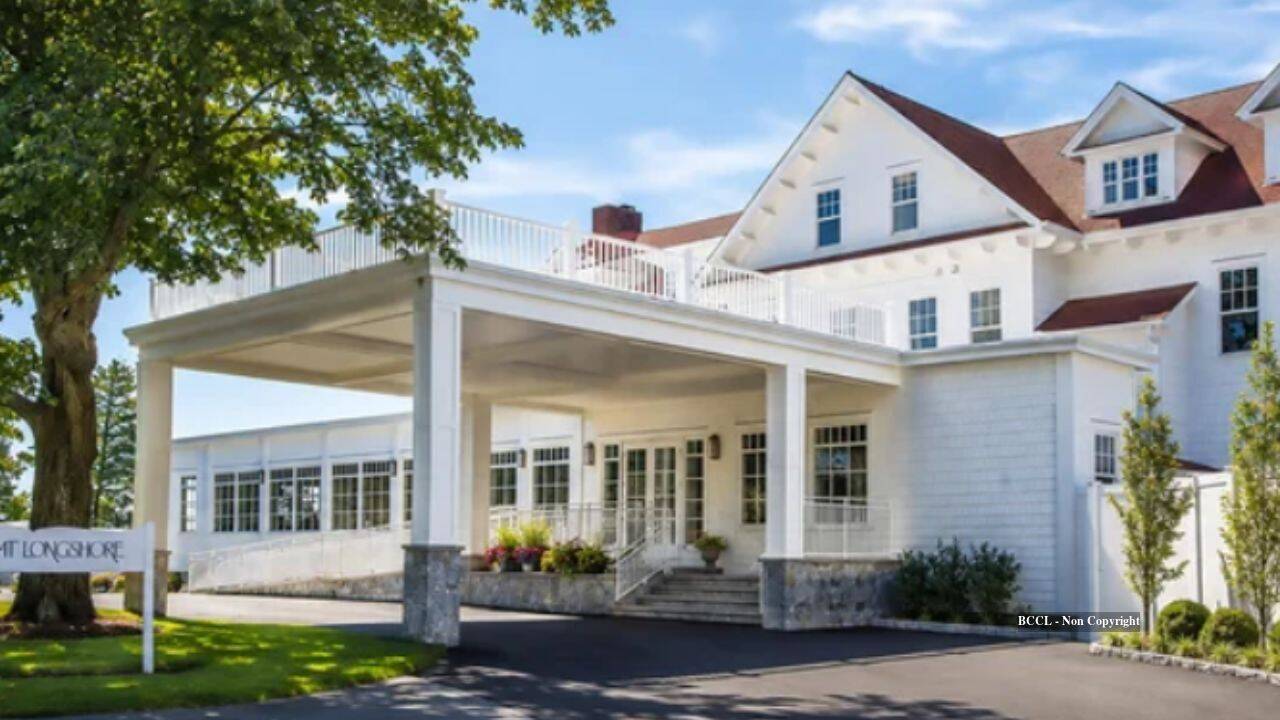
Every real estate pundit in the Northeast is currently hyperventilating over the grand reopening of a waterfront Connecticut property, praising an eight-million-dollar injection of capital into a Jazz Age relic as a masterclass in historic preservation. The lazy consensus sings a familiar, comforting lullaby: dump cash into antique crown molding, restore the ballroom chandeliers, slap a fresh coat of designer paint on the wainscoting, and wealthy weekenders from Manhattan will break down the doors to relive Gatsby fantasies.
It is a romantic narrative. It is also an absolute wealth incinerator.
I have watched boutique hotel developers burn through eight-figure budgets faster than wet cardboard in a blast furnace, blinded by the sentimental glow of heritage architecture. They treat historical square footage like a golden ticket, ignoring the cold, unyielding economics of modern hospitality operations. An eight-million-dollar price tag on a regional heritage asset does not represent smart investment; it represents a bottomless cash sink that will struggle to ever yield a functional return on capital.
To understand why this strategy fails, look past the PR fluff about restored plasterwork and examine the math of asset-heavy hospitality.
The Operating Margin Fallacy
When a property absorbs millions in capital expenditures just to bring plumbing, electrical grids, and HVAC systems up to code while preserving historical footprints, those dollars are trapped. You cannot reallocate historical floorboards or custom-molded ceiling roses when market demand shifts.
Imagine a scenario where corporate retreats and high-end weekenders suddenly pivot away from coastal New England toward alternative regional markets due to economic compression or changing seasonal weather patterns. Your eight million is sunk into static brick, mortar, and heritage compliance. You cannot scale it. You cannot pivot it. You are left with high fixed overhead, ballooning property taxes, and a severely restricted room count dictated by 1920s architectural layouts.
Historic preservation is an ego metric, not an asset allocation strategy. Real hospitality operators focus on revenue per available room against operational velocity. Heritage inns fight a constant, losing war against deferred maintenance disguised as charm. Every time you open a wall in a century-old building, you find asbestos, rotting timber, or non-compliant wiring that swallows another fifty grand before lunch.
The High Cost of Nostalgia
The romanticism surrounding Jazz Age aesthetics creates a dangerous blind spot regarding consumer behavior. Developers assume that because a building has history, guests will happily pay five hundred dollars a night for a room that smells faintly of horsehair plaster, regardless of modern soundproofing realities.
They are wrong. Today's traveler demands friction-free digital check-ins, silent climate control systems that do not sound like a jet engine taking off, and high-bandwidth infrastructure. By the time you retrofit an antique structure with the technological backbone required by modern standards, your historical authenticity is little more than a thin veneer slapped over modern drywall anyway. You pay a massive premium to retain a historic label, yet you destroy the actual historic fabric during the mandatory modernization phase.
Furthermore, relying on weddings and seasonal galas to carry an eight-million-dollar balance sheet is a fool's errand. Event-driven revenue is notoriously brittle. One bad weather weekend, a regional economic downturn, or a shift in local noise ordinances can wipe out a quarter’s operating profit in forty-eight hours.
The Unconventional Playbook
If you want to make money in regional hospitality, stop trying to curate a museum where guests happen to sleep.
Deconstruct the asset. If a property requires millions just to unlock baseline functionality, the initial acquisition valuation was too high, or the business model is fundamentally flawed from day one. Successful boutique operators do not throw eight million dollars at a single nostalgic monolith; they distribute capital across modular, high-margin experiences that generate cash flow year-round, rather than praying for a twenty-week summer wedding window.
Stop funding architectural vanity projects disguised as economic revivals. Nostalgia does not pay the debt service.


