The chaotic scenes at Kabul’s Hamid Karzai International Airport in August 2021 felt like a hard cinematic cut. Two decades of Western nation-building evaporated in a matter of days. Helicopters lifted off roofs, desperate crowds clung to landing gear, and the Taliban marched back into the capital with barely a shot fired. Five years later, the dust has settled into a grim, complex reality that most international observers still struggle to grasp.
You hear two completely different stories about Afghanistan today. One narrative highlights relative street-level security and a drop in overall civil war casualties. The other points to a suffocating humanitarian emergency and the near-total erasure of human rights, particularly for women and girls. Both things are true. Understanding how this regime survives requires looking past the ideological talking points and examining the gritty mechanics of how a sanctioned insurgent group transformed into a permanent government.
The Security Paradox and Economic Survival
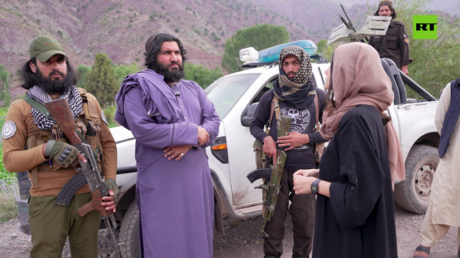
Ask any traveler or analyst returning from Kabul today about what stands out, and they will likely mention the change in street violence. The suicide bombings and intense urban firefights that defined the final years of the Western-backed republic have largely vanished. The Taliban achieved a monopoly on violence. That absolute control means citizens can travel across regions that were once impassable frontline zones without facing insurgent roadblocks.
Yet, this internal pacification came at a staggering humanitarian cost. When foreign aid pipelines slammed shut and international reserves were frozen, the national economy suffered a massive contraction. Millions of families slipped into acute food insecurity.
The regime avoided total financial collapse through unexpected means. Improved customs collection at border crossings, modest domestic revenue generation, and a steady stream of informal trade with neighboring countries kept basic markets functioning. Remittances sent home from family members working abroad remain a crucial lifeline. It is an impoverished, low-equilibrium economy, but it limps forward. International organizations estimate that over half the population still relies on external humanitarian assistance just to survive.
The Gender Apartheid Crisis
While the guns fell silent in many regions, a different kind of war intensified against the female population. The Taliban leadership in Kandahar systematically dismantled two decades of educational and professional gains. Girls are barred from secondary and higher education. Women have been squeezed out of nearly all public sector jobs, NGO work, and recreational spaces.
Recent decrees, such as the stringent laws enforced by the Ministry for the Propagation of Virtue and the Prevention of Vice, require mandatory male chaperones for long-distance travel and strict face coverings in public. Telesurveys conducted by entities like UN Women show that an overwhelming majority of Afghan women report severe restrictions on leaving their homes unaccompanied. This isn't just a political disagreement over cultural values; it's a structural crisis destroying the nation's human capital. Mental health indicators across the country reflect deep, pervasive despair.
Regional Friction and Internal Fractures
Ruling a country is vastly different from fighting an insurgency. The Taliban leadership is far from a monolith. Ideological hardliners based in Kandahar frequently clash with pragmatic technocrats in Kabul who recognize that total international isolation is unsustainable.
Diplomatic recognition remains out of reach. While several regional powers maintain working relationships, trade ties, and diplomatic missions in Kabul, no Western government has formally recognized the de facto authorities. The primary sticking point remains the treatment of women and girls. Western capitals maintain that normalization is impossible without a reversal of these draconian edicts.
Meanwhile, external security threats persist. The regional affiliate of the Islamic State continues to launch sporadic attacks, targeting religious minorities and foreign targets. Border tensions with neighbors like Pakistan have also boiled over into open skirmishes, shattering any notion that the region has achieved stable peace.
Five years after the dramatic exit of foreign troops, the international community has largely shifted its focus to other global crises. For the millions living under Taliban rule, however, the daily struggle to find food, secure basic healthcare, and preserve fundamental human dignity remains an unrelenting reality.