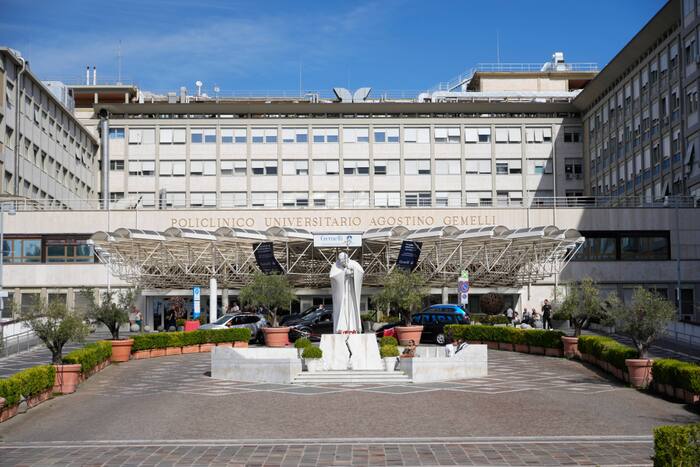
Pope Leo XIV didn't wait for a quiet bedroom or a week of bed rest before getting back to business. Just two days after thoracic surgeons removed the lower lobe of his right lung at Rome's Gemelli hospital, the 71-year-old pontiff was already meeting with a top aide, resuming routine work, and getting positive news on his chest X-ray.
Most people hear "lung cancer surgery" and picture months of weakness. Not here. Doctors reported that his operated lung was recovering well and his post-operative tests looked normal, setting the stage for his discharge just four days after admission. For another view, check out: this related article.
Why Pope Leo's Lung Recovery Looked Different From Most Cancer Cases
Timing made all the difference. When Dr. Stefano Margaritora, head of thoracic surgery at Gemelli hospital, and the pope's personal physician Dr. Luigi Carbone issued their mid-week update on October 15, 2026, the big takeaway wasn't drama. It was how routine the early recovery looked. Further coverage regarding this has been provided by BBC News.
Look at the anatomy in the diagram above. The right lung has three lobes while the left has two, all working above the dome-shaped thoracic diaphragm. Removing the lower lobe of the right lung—a procedure called a lobectomy—sounds drastic on paper. Yet when caught early in an active patient with no respiratory symptoms, the remaining lung tissue adapts quickly, and early mobilization helps keep airways clear and circulation moving.
As someone who has followed papal health coverage for years, I find the contrast with recent Vatican history striking. Under Pope Francis, hospital stays often came with sudden surprises, intense speculation, and long stretches of visible frailty. With Leo XIV, the sequence moved fast:
- A suspicious spot turned up by chance rather than from nagging coughs or shortness of breath.
- Diagnostic workups—including imaging and a robotic bronchoscopy with biopsy—pointed to a lobectomy.
- Surgery happened on October 13, 2026, at Gemelli hospital.
- By October 15, Leo was concelebrating Mass in the tenth-floor chapel, seeing a top aide, and handling light Vatican work.
- By October 17, he walked out of Gemelli smiling and waving to crowds four days after admission.
Honestly, that four-day turnaround surprised even seasoned Vatican watchers who expected him to stay put until at least October 20. Still, fast discharge isn't a free pass to run a marathon tomorrow. Surgeons and physicians routinely caution that early discharge after thoracic surgery only marks the start of deeper tissue healing, and full stamina takes weeks rather than days.
How Surprise Cancer Detections Shape Modern Care
Here's the detail that matters most for regular readers: Pope Leo didn't walk into a clinic because his lungs hurt. He felt fine. Margaritora noted that the pontiff fell into the group of patients whose lung cancer is spotted by chance during tests ordered for another reason, rather than through a dedicated lung screening program.
That happens more often than people realize. An abdominal scan or routine checkup catches a small nodule before symptoms ever show up. Early detection generally gives surgeons cleaner options and better odds than waiting until a tumor triggers persistent pain, weight loss, or breathing trouble.
At the same time, incidental findings have a flip side that medicine still debates. Not every tiny lung spot turns out to be aggressive cancer, and extra scans can sometimes trigger anxiety or follow-up procedures for benign nodules. That's why doctors weigh age, medical history, imaging features, and biopsy results carefully instead of treating every shadow identically.
Leo himself leaned into the practical lesson later during his November 2026 South America travel, saying he felt fine before the news and hoped his experience would keep people from dreading checkups or putting off preventive care. That's solid advice—as long as you pair it with smart conversations with your own doctor about which screenings actually fit your age and risk profile.
Resuming Work in the Hospital Without Slowing Down the Agenda
Working from a hospital bed or suite isn't new for popes, though how much gets done varies wildly by illness. Meeting a top aide and clearing daily Vatican items two days after chest surgery signaled two things at once: Leo's mind was sharp and uninterrupted by heavy sedation, and he wanted to project steady continuity rather than a power vacuum.
By the end of that same week, he had already moved from quiet hospital check-ins to high-stakes diplomacy, including a phone call with Russian President Vladimir Putin reported by Friday. That rapid shift from patient to head of state shows why Vatican aides often treat a pontiff's recovery timeline as a mix of clinical milestones and political optics.
Even so, there's a real trap leaders fall into when they feel good early: mistaking mental energy for full physical readiness. A 71-year-old recovering from a lung lobectomy still needs pacing, rest, and respiratory recovery—especially ahead of long-haul travel like his pastoral visit to Peru, Uruguay, and Argentina.
A normal post-op X-ray is great news, yet real recovery still asks for patience behind closed doors.
What hasn't been laid out publicly is every detail of his long-term oncology outlook, which is standard for Vatican health updates that share key milestones without turning every lab note into a public bulletin. Leo's own message has been consistent: no sudden rush to name new cardinals, no provisional resignation letter drawn up ahead of surgery, and a steady focus on church unity.
Practical Steps If You or Someone You Love Faces Lung Surgery
If you're reading this because a family member has an upcoming lung procedure—or because a scan turned up a surprise nodule—don't treat a celebrity's timeline as a personal guarantee. Every chest surgery has its own variables.
Start with three concrete moves before surgery day:
- Ask the surgeon about the exact approach and recovery milestones. Find out whether the team expects a lobectomy or smaller wedge resection, how long hospital stays typically run for your specific case, and what pain or breathing goals you need to hit before going home.
- Keep a written question list for the care team. Bring questions about pathology timing, breathing exercises, walking targets, and when to call the doctor versus heading to urgent care.
- Plan quiet support for the first two to three weeks at home. Even when someone looks bright and talks easily right after leaving the hospital, fatigue hits in waves once the initial adrenaline fades.
If a scan ever flags an unexpected spot on your own lungs, talk through the exact size, characteristics, and follow-up timeline with a physician or pulmonologist rather than guessing from headlines—and keep up with the routine checkups that catch issues early.


