Good reporting makes powerful people uncomfortable. That's basically the entire job description. When the Trump administration barred outlets like CNN, MS NOW, and Politico from the White House, it wasn't just a petty administrative squabble. It was a deliberate escalation in a long war against independent scrutiny.
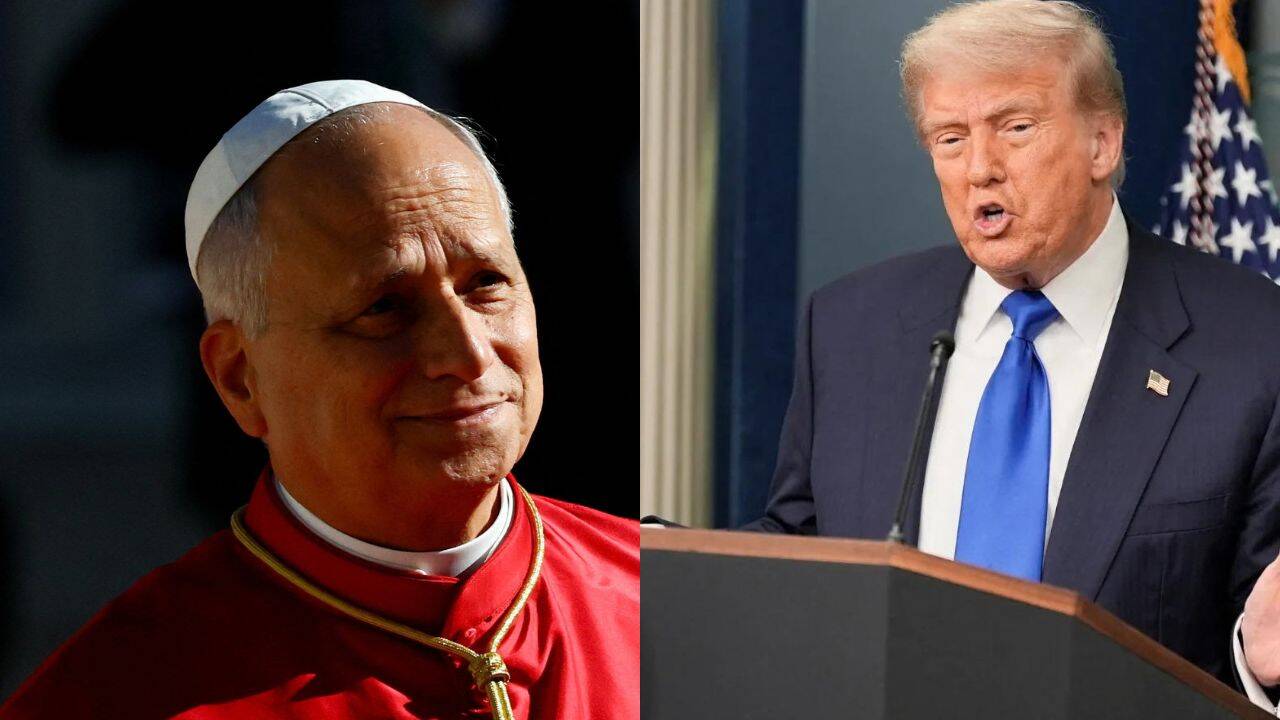
Enter Pope Leo XIV. Aboard a flight from Rome to Paris, the pontiff addressed the controversy head-on when a reporter asked about the White House press ban. His response was direct and unhedged. Good coverage matters, he argued, and everybody deserves access to it.
You don't need to look hard to see why this matters right now. Information control is back in style among global leaders, and the fallout goes far beyond bruised journalistic egos.
The Battle For Access Inside Washington
Let's look at what actually happened on the ground. The Trump administration's attempt to freeze out specific newsrooms triggered a legal showdown. A federal judge temporarily reinstated press credentials, but the administration pushed back hard, twice defying judicial orders in a single day.
This kind of institutional friction reveals a dangerous shift. When governments decide which journalists get to ask questions, they aren't managing public relations. They're trying to curate reality.
Pope Leo's intervention cut through the noise. By welcoming reporters openly on the papal aircraft and praising the necessity of a watchdog press, he drew a sharp line. He reminded everyone that transparency isn't a gift handed down by politicians. It's a baseline requirement for a functioning society.
Why Institutional Pushback Matters
You might wonder why a religious leader chiming in on a secular media fight actually moves the needle. Here is the reality. Pope Leo occupies a unique global microphone. When he speaks about ethics in communication—whether defending reporters from political blacklists or warning about algorithms designed to manipulate public sentiment—he forces the conversation out of partisan echo chambers.
Earlier this year, the Pope warned about the rise of unchecked artificial intelligence and synthetic content, pointing out that machines cannot replace human-centered truth. Connect those dots to the current political landscape. When algorithms and political bans work in tandem to dilute objective facts, independent reporting becomes the primary firewall we have left.
The White House press room isn't just a physical space. It's a symbol of accountability. When access gets restricted based on editorial stance, every citizen loses the right to an unvarnished look at how power operates.
What We Misunderstand About Press Freedom
Most people treat press freedom like an abstract constitutional concept that only affects career journalists. That's a mistake.
Think about how policy decisions affect your daily life, local economy, and personal freedoms. Without reporters willing to chase down leaked documents, sit through grueling court hearings, and question official narratives, policy happens in the dark.
When political figures label critical news outlets as enemies of the state, they rely on you tuning out due to fatigue. They want you to believe that all media is just biased entertainment. But there is a massive difference between a messy, aggressive press corps and no press corps at all.
Pope Leo's defense isn't about endorsing every single editorial decision made by major networks. It's about recognizing that open conflict between journalism and power is a feature, not a bug, of a free society.
Pay attention to who wants to control the microphone. Support reporting that digs deeper than press releases. And remember that when leaders try to lock reporters out of the room, they're usually trying to hide something you have a right to see.