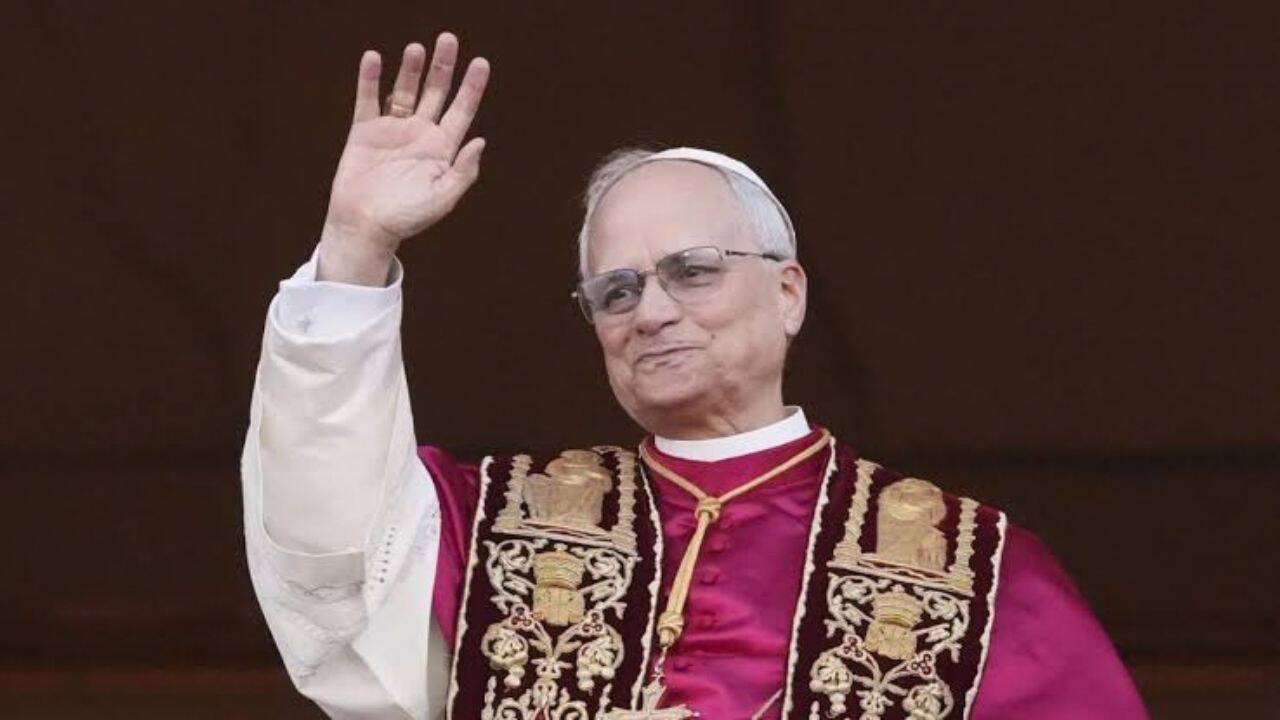
Health scares at the highest levels of the Vatican always command global attention, but the announcement regarding Pope Leo caught medical experts and observers completely by surprise. When the 71-year-old pontiff used his Sunday Angelus address to reveal he needed an operation for a small pulmonary nodule, it forced a sudden shift in the Vatican's busy diplomatic calendar.
Finding a lung nodule during routine medical checks is increasingly common, yet the public nature of a papal health intervention brings intense scrutiny. Understanding how modern medicine handles these localized growths explains why doctors acted so swiftly.
Catching Pulmonary Nodules Early
Medical protocols for detecting abnormal chest spots have evolved dramatically over the last decade. High-resolution imaging catches tiny spots that would have gone unnoticed years ago. When Pope Leo announced that his medical team spotted a circumscribed lesion early, he highlighted a core rule of modern oncology: speed matters.
Most small lung nodules turn out to be benign. They often stem from old infections, harmless scar tissue, or localized inflammation rather than malignancy. However, physicians cannot rely on imaging alone to provide a definitive answer.
Dr. Massimo Di Maio, president of the Italian Association of Medical Oncology, noted that determining the exact nature of any pulmonary growth requires physical removal and pathological analysis. Waiting for a spot to change size introduces unnecessary risk if early intervention is an option.
Inside the Gemelli Hospital Procedure
Pope Leo underwent the scheduled operation at Rome's Gemelli Hospital, an institution with a long history of treating pontiffs. The procedure targeted the localized lesion, with surgical teams working to preserve as much healthy pulmonary tissue as possible.
Subsequent updates from the Holy See Press Office confirmed that the operation successfully removed the growth from the lower lobe of the right lung. Pathology reports following the procedure verified a diagnosis of early-stage lung cancer, leading doctors to conclude that no further adjuvant treatment was required due to the exceptional timing of the catch.
Public health data frequently reminds us that lung issues affect non-smokers too. Roughly one in five diagnoses occur in individuals without any history of tobacco use, proving that routine screenings and proactive medical checks remain vital regardless of lifestyle factors.
Managing the Papal Recovery Timeline
Recovery from thoracic surgery demands strict adherence to post-operative protocols. Even with minimally invasive techniques or targeted resections, lung operations require careful monitoring of respiratory function and pain management.
At 71 years old, Pope Leo benefits from a relatively young age for a pontiff and a lifestyle that includes regular physical activity like tennis. Physicians routinely point out that baseline physical fitness drastically improves recovery trajectories following major chest procedures.
Vatican officials managed a swift discharge from the hospital within days of the operation, allowing the pope to begin a gradual return to his administrative and public duties. International travel plans and demanding public audiences were temporarily adjusted to prioritize healing, reinforcing the reality that recovery timelines cannot be rushed.
Pay attention to your own regular screenings, listen to your medical team, and never ignore persistent respiratory symptoms.