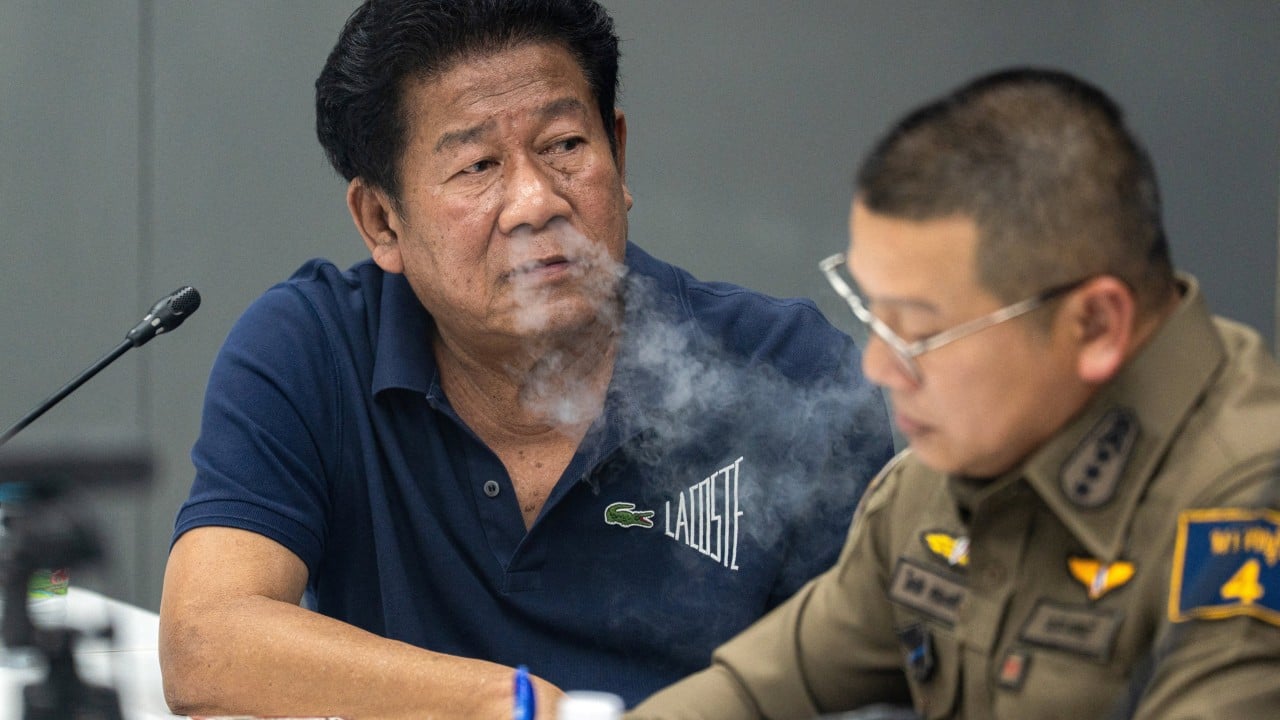
A former member of parliament in Thailand has been taken into custody following a fatal shooting incident that left one person dead and another seriously injured, exposing deep-seated concerns regarding political violence and elite accountability within the country. The arrest occurred after law enforcement officers executed warrants tied to an armed altercation that erupted in a public space, drawing immediate national scrutiny to how public office holders interact with the justice system. Authorities confirmed that the suspect, a former representative whose tenure in parliament previously granted considerable social and political protection, faces severe criminal charges including murder and attempted murder.
This tragic event forces a hard look at a recurring pattern in Southeast Asian politics. Power circles often operate under a different set of rules. For decades, political figures across the region have enjoyed informal buffers against accountability. When bullets fly and citizens fall, the machinery of justice frequently stutters. This case tests whether modern investigative pressure can pierce the armor of political privilege.
The Anatomy of Elite Impunity
Political violence in Thailand is rarely an isolated phenomenon driven solely by personal animosity. It frequently intersects with the fierce competition for local patronage networks, commercial dominance, and municipal control. Former lawmakers often retain vast webs of influence long after leaving office. These networks extend deep into provincial administrations and local law enforcement ranks.
When a dispute escalates to lethal force, the immediate response from local authorities often dictates whether a case moves forward or quietly stalls. In this instance, swift public outcry and intense media coverage prevented the investigation from being buried under procedural delays. Yet, seasoned observers know the real test begins inside the courtroom. Witnesses change their stories. Evidence occasionally misplaces itself. The financial and political cost of pursuing high-profile defendants creates an invisible gravitational pull that bends judicial outcomes toward leniency.
History shows that legal consequences for political elites are historically rare unless public pressure remains relentless. The state prosecutor must now navigate a minefield of defense strategies designed to invoke self-defense, diminished capacity, or procedural technicalities.
The Broader Crisis of Public Trust
The incident sends shockwaves through a populace already exhausted by political volatility. Trust in democratic institutions rests upon the foundational principle that no individual stands above the law. When former lawmakers resort to firearms to settle grievances, that principle suffers a direct assault.
Civil society organizations have seized upon the arrest to demand structural reforms. These groups argue that minor internal party censures or temporary suspensions do nothing to deter violent behavior among politicians who view themselves as untouchable. The culture of impunity starts long before a weapon is drawn. It begins with campaign rhetoric that dehumanizes opponents and normalizes aggressive confrontation as a legitimate tool of influence.
Independent analysts point out that political parties themselves share culpability. Too often, organizations prioritize electoral utility over moral integrity, welcoming individuals with questionable pasts into their ranks because they can deliver votes through intimidation or financial dominance. Until parties purge violent actors from their structures, these tragedies will repeat.
The Judicial Road Ahead
The legal proceedings against the former parliamentarian will serve as a bellwether for the current administration's commitment to the rule of law. Investigative teams face the formidable task of securing uncooperative witnesses and preserving forensic evidence in a high-stakes environment.
Public attention remains fixed on the courtroom doors. Every motion filed by the defense and every ruling handed down by the judge will be dissected by a public that has seen too many powerful figures walk free. If the legal system delivers a transparent, uncompromised verdict, it could signal a turning point for accountability in Thailand. Should the case dissolve into technicalities or quiet settlements, it will cement the cynical belief that power continues to eclipse justice.
:max_bytes(150000):strip_icc()/ar-American-Cheese-taste-test-horizon-4x3-54cc339550cd44b9a818c17bdfd5428d.jpg)