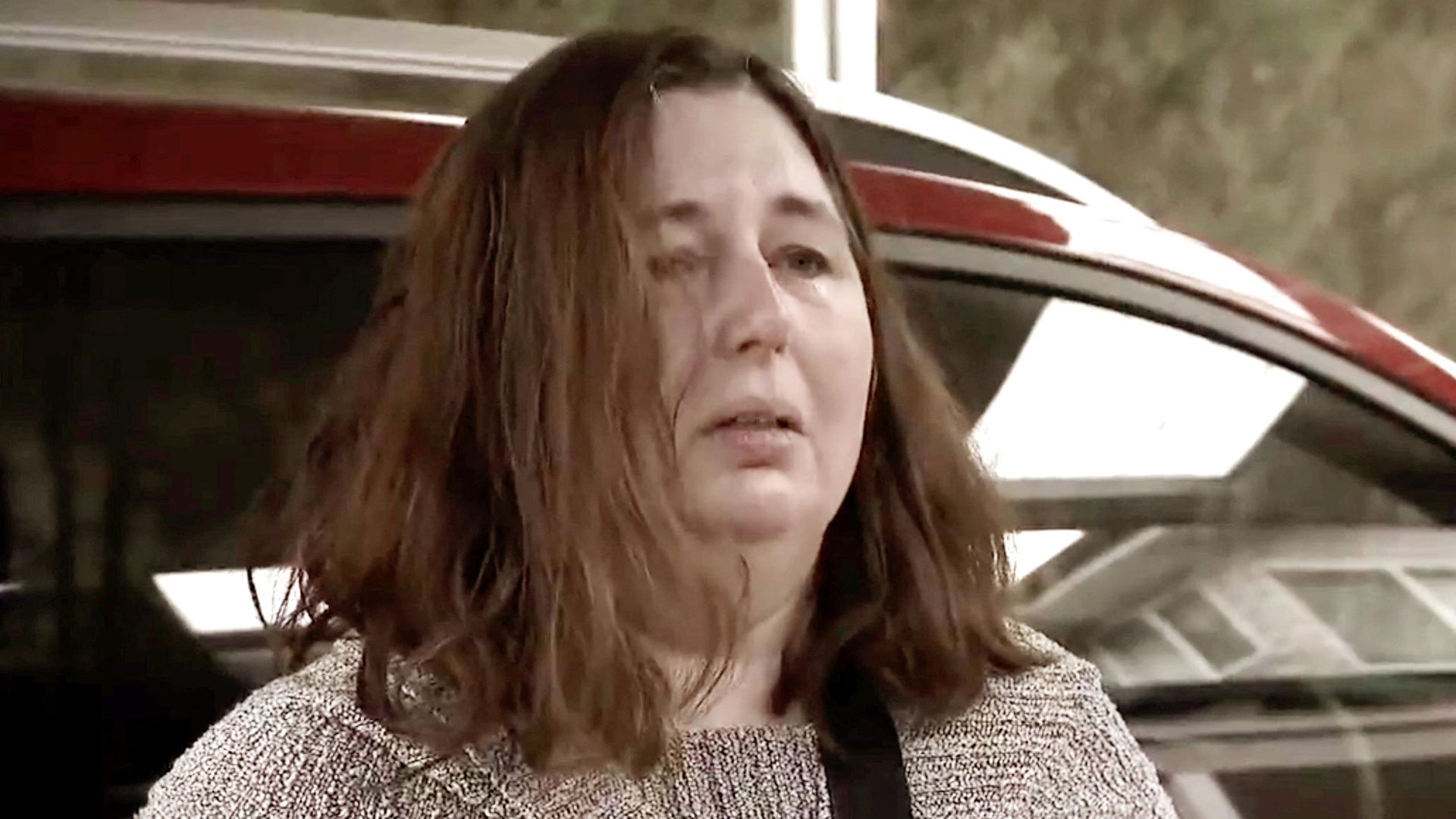
The legal machinery surrounding Erin Patterson has shifted into a high-stakes standoff that could redefine the boundaries of justice in Australia. While a jury previously delivered a verdict of guilty regarding the 2023 death cap mushroom lunch that claimed three lives and left one survivor, the finality of that judgment is now under siege. As of August 2026, the Victorian Court of Appeal is entertaining a two-front legal war: Patterson is fighting to have her triple-murder conviction quashed, while the state’s director of public prosecutions is aggressively pushing for her sentence to be hardened into life without the possibility of parole.
The core of the prosecution's argument rests on the assertion that the original 33-year non-parole period is manifestly inadequate for a crime of such staggering betrayal. Justice Christopher Beale, who presided over the initial sentencing, described the act as a monumental breach of trust against family members who had supported the defendant for years. Prosecutors now argue that the trial judge did not sufficiently account for the gravity of the offense, specifically when weighing the potential for early release against the permanent devastation inflicted upon the victim's families.
Patterson’s defense strategy focuses on a procedural audit of the trial itself. Her legal team has presented seven grounds for appeal, most notably the contention that the jury’s sequestration was fundamentally compromised. Reports indicate that jurors were housed in the same hotel as police and members of the media during their deliberations. In any courtroom, the sanctity of the jury room is absolute. If a defense can prove that external proximity to law enforcement or press representatives tainted the independence of that space, the integrity of the entire verdict faces a structural collapse.
Beyond the sequestration issue, the defense claims that the prosecution’s case relied on unfairly prejudicial evidence and an oppressive cross-examination process. They suggest that the crown, having initially claimed there was no clear motive for the tragedy, pivoted during closing arguments to imply one, effectively surprising the defense and tilting the scales of fairness. These arguments serve as a textbook example of how the appellate process acts as a filter for procedural errors, regardless of the emotional weight of the underlying facts.
The survivor of the meal, Ian Wilkinson, remains a singular figure in this ordeal. His presence in court during the appeal hearing serves as a visceral reminder of the carnage that unfolded at that lunch. While the defendant seeks to avoid a lifetime of incarceration by challenging the validity of her trial, the victims' families wait for a resolution that balances legal exactitude with the moral demand for accountability.
This case forces us to reckon with the limits of our judicial institutions. When a crime is so notorious, the court of public opinion often demands a swift and permanent conclusion. However, the legal system is built on the friction of due process. Every procedural vulnerability—from the proximity of hotel rooms to the timing of arguments about motive—is a thread that, if pulled, could potentially unravel the entire fabric of the conviction.
The state’s counter-appeal adds another dimension of complexity. By pushing for life without parole, prosecutors are challenging the court’s willingness to allow for the possibility of redemption, however remote it may seem. They argue that the nature of the act, the premeditated distribution of lethal toxins, and the total lack of remorse displayed by the convicted woman necessitate a sentence that removes any hope of future liberty.
Whether the Court of Appeal decides that the trial was fundamentally flawed or simply reaffirms the harshness of the original sentence, the fallout will be felt far beyond the confines of the Victorian Supreme Court. If a retrial is ordered, it will force the families to endure the trauma of the case again. If the conviction stands but the sentence is extended, it will mark a rare and severe hardening of the law in a jurisdiction that often permits a path to release.
The truth of what happened that afternoon in 2023 remains locked behind the claims of an accidental mistake and the cold reality of a triple homicide. Law serves to quantify human malice, but it cannot always bridge the gap between a jury’s verdict and the unending grief of those left behind. The finality of this tragedy will only be found when the legal system ceases its rotation and renders a decision that can finally be left to history.
Australia mushroom killer's appeal - what happened on day one?
This video provides a concise overview of the recent court proceedings, highlighting the specific arguments made by both the defense and the prosecution during the current appeal hearings.