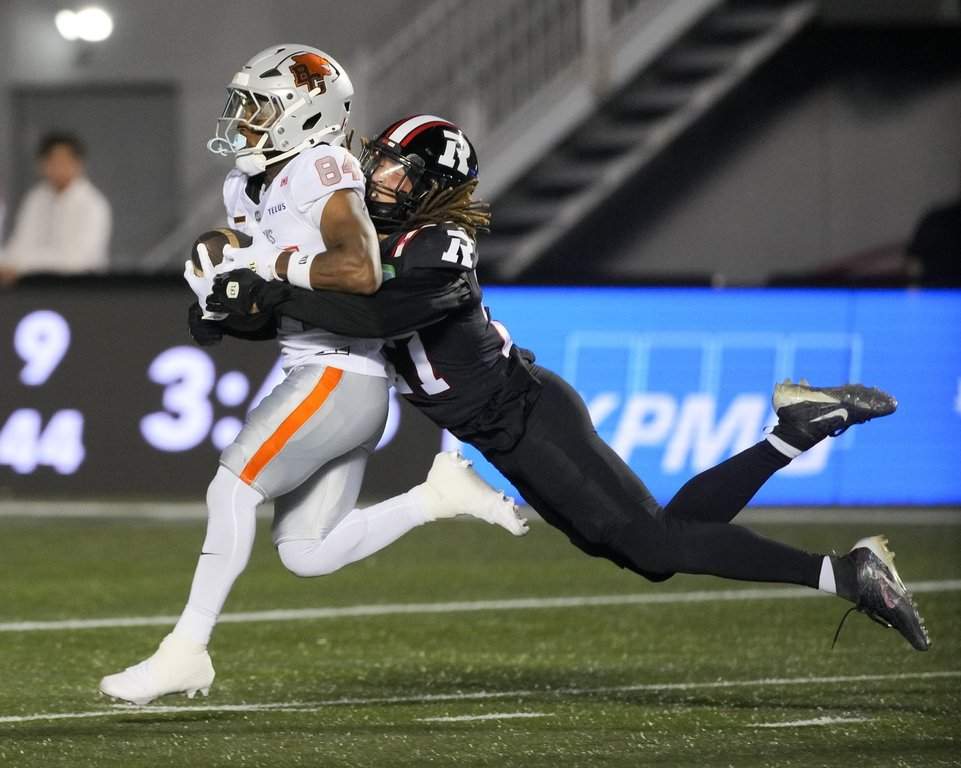
Every autumn, the sports media machine rolls out the exact same tired script. Two teams square off in late October or November, and analysts hyperventilate about playoff scenarios, tiebreakers, and postseason positioning. When the Ottawa Redblacks visit the BC Place or TD Place or wherever the schedule drops them to face the BC Lions or Toronto Argonauts with a playoff berth hanging in the balance, the narrative is always identical. We are told this is a heavyweight elimination bout. We are told the pressure cooker of November football separates contenders from pretenders.
It is absolute nonsense.
The lazy consensus in professional football broadcasting is that late-season games carry massive weight simply because the standings say so. I have watched front offices burn millions of dollars chasing a wildcard spot or a meaningless crossover seed, only to limp into a postseason bracket where they get dismantled by a genuinely superior roster. The obsession with playoff math masks a much harsher reality: if your team needs chaotic late-season tiebreakers to back into November football, you are already broken.
Let us dismantle the entire premise of late-season playoff hysteria.
The Fallacy of the Late Season Surge
We love the myth of momentum. The talking heads on television love to point at a team that wins three ugly games in a row against backup quarterbacks and declare that they have caught fire at the right time. Statistics flatly reject this fairy tale. In professional gridiron leagues, particularly three-down football where talent margins are razor thin and rosters are perpetually battered by attrition, momentum is nothing more than a lagging indicator of health and schedule variance.
When the Lions host the Redblacks in a late-season clash with playoff implications, the conventional analysis focuses on grit, coaching adjustments, and the sheer willpower of desperate men. This is romantic fiction designed to keep ticket sales moving and television windows full.
The actual outcome of these matchups rarely comes down to who wants it more. It comes down to roster depth, injury luck on the offensive line, and which coaching staff managed their practice loads during the dog days of September. When a team backs into the postseason because a rival kicker shucked a game-winning field goal wide right in week twenty, the media labels it character. It is not character. It is variance.
Why Playing for the Postseason is a Losing Strategy
Organizations that obsess over just getting in are suffering from a fatal strategic flaw. In any single-elimination tournament, regular-season dominance is heavily discounted. If you build a roster designed merely to scratch and claw its way to a six-win or nine-win threshold just to sneak across the playoff threshold, you have optimized for mediocrity.
I have seen general managers stake their entire reputations on securing a home playoff date, celebrating a second-place finish in a weak division as if it were an achievement. It is a loser's mentality. A proper football operation does not look at a late-season matchup against a desperate opponent as a championship test. They look at it as a diagnostic failure. If you are sweating out playoff math in the final month of the regular season, your roster construction failed months ago during training camp.
Consider the mechanics of how teams actually win titles. dynasties are built on point differentials, explosive play rates, and elite quarterback play under pressure. They are not built on winning three-point rock fights in freezing rain against an injury-ravaged opponent just to secure the right to get blown out in the divisional round.
The Analytics They Ignore
If you dig past the surface-level commentary about heart and determination, the underlying metrics tell a completely different story. Teams fighting for their playoff lives in November usually suffer from glaring structural deficiencies. They either turn the ball over at an unsustainable rate, struggle to protect the edge on passing downs, or rely entirely on unsustainable defensive touchdown luck.
When analysts preview a game like Lions versus Redblacks with playoff implications on the line, they point to quarterback duel narratives or star receiver matchups. They ignore the trenches. They ignore the reality that games in the final third of the season are won by special teams field position and defensive line rotation depth.
Look at the snap counts. Look at the yards per play allowed on standard downs. These are the indicators that actually predict postseason success, yet they are routinely ignored in favor of manufactured drama about playoff lines. The team that wins on Sunday is rarely the one with more momentum; it is the one that minimizes self-inflicted wounds while exploiting structural weaknesses in the opponent's secondary coverage scheme.
Stop Rewarding Mediocrity
The league office loves tight standings because parity drives engagement. Every game matters until it doesn't. But true football purists should look past the marketing gloss. When a sub-.500 team hosts a desperate divisional rival with a playoff spot on the line, we are not watching elite competition. We are watching a survival race between two flawed outfits trying to see who can make fewer catastrophic mistakes before the clock hits zero.
Stop pretending that limping across the finish line is a badge of honor. Stop buying into the narrative that late-season panic equates to championship DNA.
Build a roster that makes playoff math irrelevant. Until front offices stop settling for the thrill of the bubble and start demanding absolute dominance, we will continue to endure the same manufactured November theater year after year.