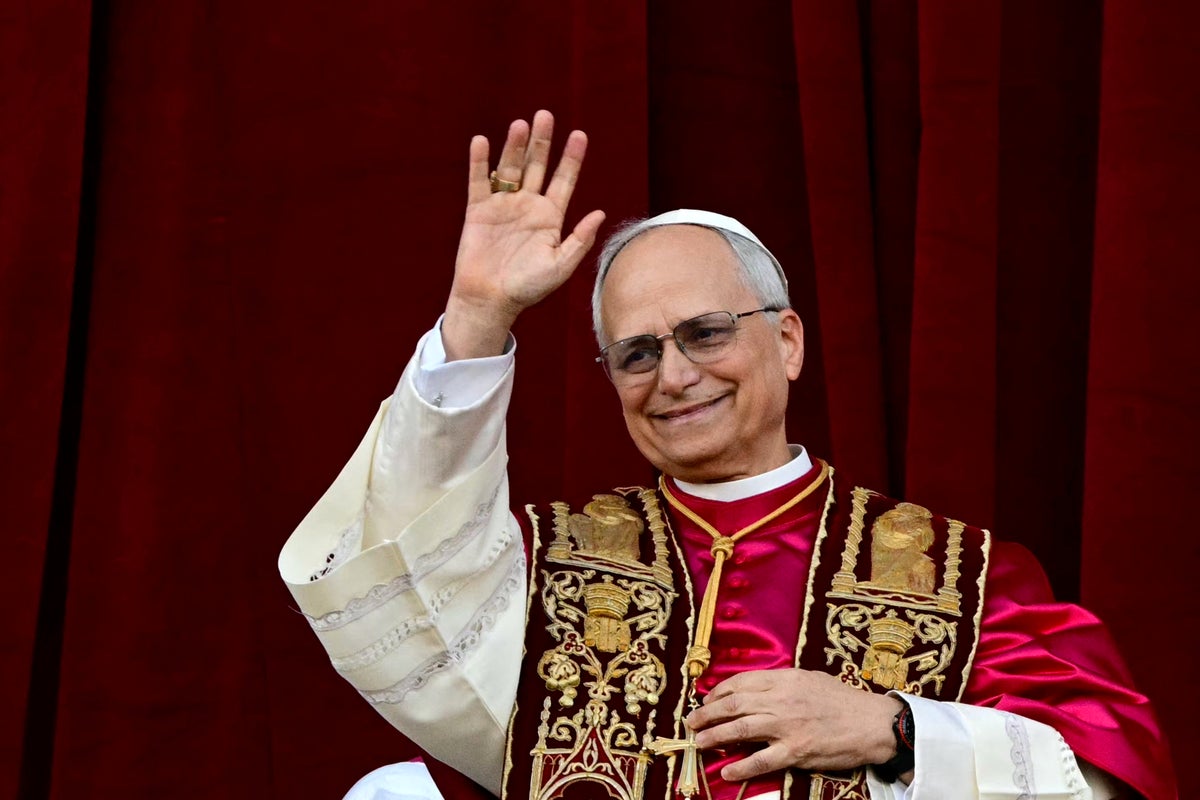
In the brutal, data-driven world of the National Hockey League, front offices spend millions on analytics, sports science, and scouting to gain a fraction of a percentage point in the standings. Then, something happens that makes the spreadsheets look like scrap paper. The Philadelphia Flyers' late-season surge toward a playoff spot was not built on a trade deadline blockbuster or a schematic overhaul. It was sparked by a custom jersey, a persistent fan, and a blessing from the Vatican. While the "Pope Francis Jersey" story has circulated as a feel-good human interest piece, the reality is a fascinating study in how momentum and team psychology can be shifted by the most improbable catalysts.
The timeline is impossible to ignore. A fan traveled to Rome, handed a personalized Flyers sweater to the Pope, and suddenly, a team that had been stagnating began to win games they had no business winning. This isn't just about superstition. It is about the specific way an underdog narrative can solidify a locker room when they feel the "universe" is finally leaning in their direction.
The Mechanics of a Locker Room Rally
Hockey players are notoriously some of the most superstitious athletes on the planet. From playoff beards to the specific order in which they lace their skates, the sport is governed by a belief in "puck luck" and "the hockey gods." When news hit the Flyers’ locker room that their colors had been blessed by the head of the Catholic Church, it did more than provide a laugh. It provided a psychological shield.
The Flyers entered this stretch as a team in transition. They were young, rebuilding, and largely ignored by national media as a serious threat. Success in the NHL usually requires a veteran core that knows how to grind out 1-0 wins in March. Instead, Philadelphia leaned into the absurdity of their new "divine" endorsement. It removed the pressure. If the Pope is on your side, why worry about a three-game road trip through Western Canada?
Beyond the Fabric
The jersey itself—a standard home orange with "POPE FRANCIS" and the number 1 on the back—became a symbol of the city’s unique brand of chaos. Philadelphia sports fans are defined by a strange mixture of cynicism and blind faith. To understand why this worked for the Flyers and might have failed for a team like the Toronto Maple Leafs or the New York Rangers, you have to understand the Philly psyche.
In Philadelphia, the "us against the world" mentality is the default setting. The Pope jersey wasn't seen as a religious artifact so much as a recruitment. The city effectively drafted the Vatican into the Flyers’ fan base. This audacity resonated with the players. They started playing a heavier, more aggressive style of hockey, mirrored by the confidence of a group that believed their path was preordained.
Analyzing the Statistical Anomalies
If we look at the underlying numbers during the weeks following the Vatican visit, the "blessing" manifested in very specific ways.
- Penalty Kill Efficiency: The Flyers saw a measurable jump in their shorthanded success rate. PK success is often about desperation and shot-blocking—efforts fueled by high morale.
- Save Percentage: Goalies often talk about "seeing the puck" better when they are in a positive headspace. The Flyers’ netminders, who had been inconsistent, suddenly found a groove.
- Close-Game Points: The team began winning one-goal games that they had been losing in November and December.
The Human Element in a Data Era
The modern NHL is obsessed with "Expected Goals" (xG) and "Corsi" ratings. These metrics attempt to strip away the "luck" and show who is actually controlling the game. However, these models cannot account for the "vibe shift." When a fan goes to the lengths required to get a jersey to the Pope, it signals to the players that the community is still deeply invested, despite the rebuild.
Investment breeds accountability. The players knew the story was viral. They knew they were being watched by a wider audience than usual. This creates an environment where nobody wants to be the one to break the winning streak and ruin the story. It is a self-fulfilling prophecy of success.
Countering the Narrative of Pure Luck
Skeptics will argue that the Flyers were simply due for a regression to the mean. They would suggest that the strength of schedule eased up or that key players returned from nagging injuries at the right time. While those factors exist, they don't explain the specific timing of the turnaround.
The NHL season is an eighty-two-game slog. Fatigue is not just physical; it is mental. By the time March rolls around, the grind of travel and the physical toll of the sport creates a "heavy" atmosphere. Anything that injects genuine novelty and humor into that environment is worth more than a tactical adjustment on the power play. The Pope jersey was a masterclass in unintentional sports psychology.
The Fan Factor
We often treat fans as passive observers, but this event highlights the "active" role a fan base can play in a team's season. This wasn't a corporate marketing stunt. It was an organic, somewhat ridiculous gesture by an individual that reached the highest levels of global visibility.
The Long Term Impact of the Miracle Run
Even if the Flyers don't hoist a trophy this year, the "Pope Jersey" era has served a critical purpose for the franchise. It rebranded the team as a group that is fun, unpredictable, and capable of capturing the public imagination. For a franchise that had spent several years in a state of identity crisis, this was the most important win of all.
It proved that the Flyers still belong to the city in a visceral way. It reminded the league that Philadelphia is at its most dangerous when it is fueled by a mix of high-level talent and bizarre, supernatural narratives. The front office can draft the best players in the world, but they can't manufacture the kind of lightning-in-a-bottle energy that comes from a blessed orange sweater.
The takeaway for the rest of the league is simple. You can analyze the game until the numbers turn gray, but you can never fully account for the power of a locker room that believes it has a higher power—or at least a very influential fan in Rome—backing them up. The Flyers didn't just find a playoff spot; they found their soul again in the most unlikely of places.
Hockey is a game of inches, but sometimes those inches are granted by something far beyond the rink. The Flyers didn't wait for a miracle; they sent a jersey to find one.