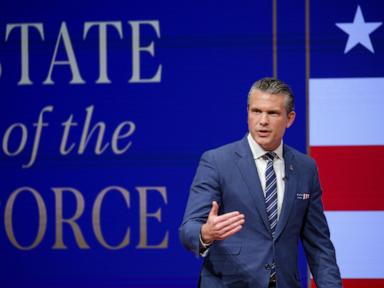
Defense Secretary Pete Hegseth just redrew the lines between church and state inside the military command structure. When he announced the creation of a brand new Office of Religious Affairs reporting directly to his office, it sent shockwaves through Washington. Most people are missing the actual mechanics of how this bureaucratic shift operates. Let's look at what this means for the armed forces, why critics are panicking, and how it fundamentally alters the traditional chain of command for spiritual matters.
Breaking Down the Office of Religious Affairs
For decades, military chaplaincy functioned through established branch-specific channels. Chaplains answered to their respective service branches, operating under broad constitutional guidelines meant to safeguard religious pluralism for every service member. Hegseth’s memorandum changes that hierarchy completely.
By creating a centralized office that answers straight to the secretary of defense, the Pentagon has pulled religious oversight away from traditional administrative layers. The stated goal from leadership centers on boosting moral, ethical, and spiritual readiness across the ranks. But the structural execution is what matters. When an office focusing on faith and values reports to the top political appointee rather than career military administrators, the internal culture shifts overnight.
Why Critics and Watchdogs Are Raising Alarms
Constitutional advocates and civil liberties groups didn't waste time reacting. Organizations like the Freedom From Religion Foundation immediately condemned the move, accusing leadership of institutionalizing Christian nationalist preferences within the ranks.
The core worry isn't just about prayer services or voluntary chapel attendance. It’s about institutional power. Critics point out that when evangelical Christian messaging and leadership styles come straight from the secretary's desk, it creates an implicit pressure system for service members whose personal beliefs don't align. In a military environment where career advancement relies heavily on pleasing superiors, top-down cultural changes carry enormous weight.
The Operational Impact on Everyday Service Members
If you aren't inside the military ecosystem, it's easy to dismiss this as mere political theater. It isn't. The memo ordered military department secretaries to file comprehensive reports on unfunded and underfunded religious affairs. Resources are shifting. Programs, personnel priorities, and institutional backing are now tied directly to this new oversight model.
Chaplains themselves find Gaining clarity on their reporting lines is getting complicated. They signed up to care for troops of all backgrounds, or no background at all. Integrating a central authority that carries a distinct ideological footprint makes daily pastoral duties much trickier. Pluralism requires breathing room. Centralized ideological alignment tends to squeeze that room out.
What Happens Next in the Defense Bureaucracy
This policy isn't going away quietly. Congressional battles are already shaping up for the upcoming legislative sessions, with lawmakers weighing oversight hearings and budget restrictions. Watch how the military branches implement these directives locally. The gap between a policy memo signed in Washington and the reality on a crowded base floor is often wide.
Hegseth wants to reshape the soul of the armed forces. Whether that creates resilient warriors or a fractured institution depends entirely on how commanders handle the tension between personal faith and constitutional neutrality.
Hegseth unveils religious affairs office as Pentagon ...
This video provides an authentic look at the secretary's official announcement speech detailing the rationale behind the new Pentagon initiatives.