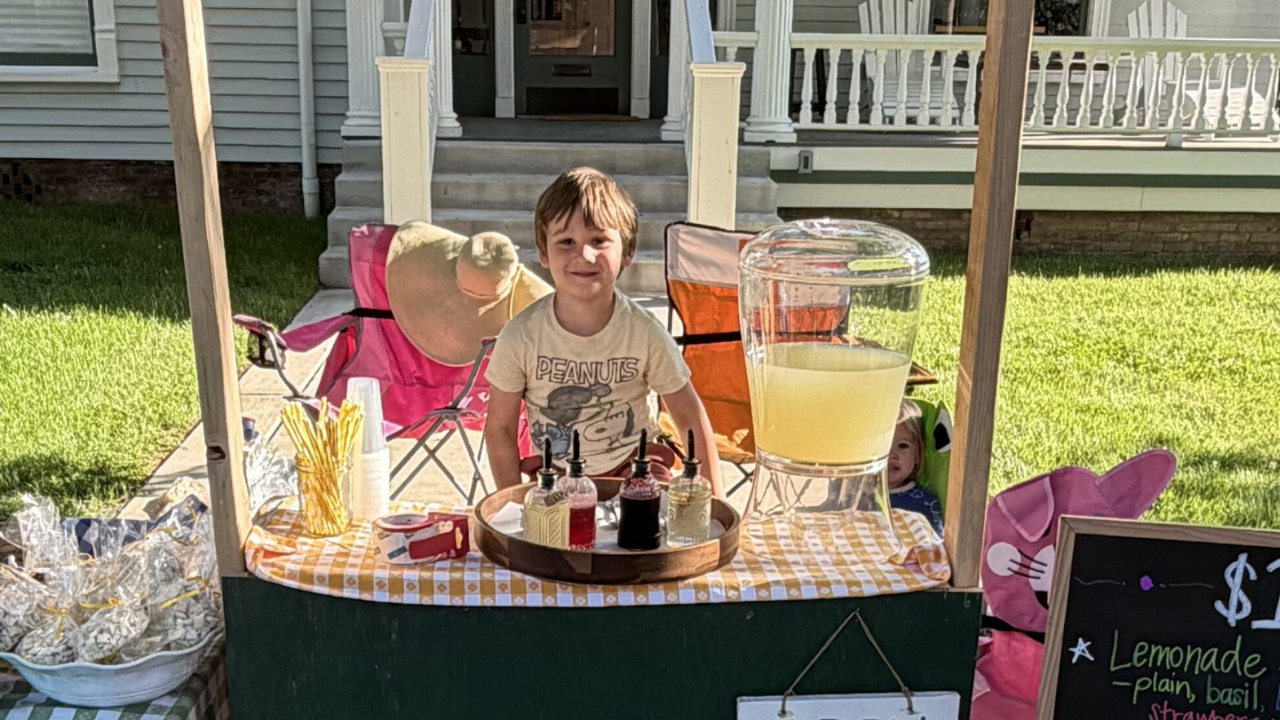
Most feel-good news stories follow a predictable script. A kid does something sweet, local reporters show up with cameras, and everyone online shares the clip for forty-eight hours before forgetting it exists.
That's not what makes the story of a 4-year-old Tennessee boy donating $150 from his lemonade stand to a local soup kitchen worth examining. When you strip away the cute headline, you're looking at a blueprint for early childhood empathy, community micro-philanthropy, and how small local charities actually survive.
Let's be honest. One hundred and fifty dollars won't pay a nonprofit's annual rent. It won't overhaul a city's food distribution network. Yet anyone who has ever run a community pantry or worked in grassroots fundraising knows that a $150 cash injection from a neighborhood kid carries a weight that corporate grants rarely match.
Why a 4-Year-Old's Lemonade Stand Hits Different
Children at age four are notoriously self-focused. Developmental psychologists like Jean Piaget documented decades ago that preschoolers operate primarily from an egocentric perspective, where their immediate wants dominate their worldview.
When a kid that young chooses to hand over crumpled bills and sticky quarters instead of buying plastic toys, something unusual happened at home.
Kids don't invent philanthropy in a vacuum. They mirror what they see. If a 4-year-old sets up a folding table in Tennessee heat to raise money for a soup kitchen, it means the adults in that house have had real, concrete conversations about food insecurity. They didn't shield the child from the reality that neighbors go hungry. They gave him a tool to do something about it.
Think about the logistics of making $150 at a kid's lemonade stand.
At a dollar a cup, that's 150 separate transactions. Even with generous neighbors tipping five or ten bucks for a Dixie cup of lukewarm drink mix, a 4-year-old doesn't have the attention span to sit behind a table for six straight hours without serious adult scaffolding. Someone had to buy the lemons or mix, haul the table to the curb, help count the cash, and drive down to the soup kitchen to hand it over.
That partnership is the real story. Too many parents wait until their kids are teenagers to introduce community service, usually because high school graduation requires volunteer hours. By then, service feels like a chore. Starting at four turns generosity into a normal weekend activity.
The Real Math Behind $150 at a Local Soup Kitchen
People often underestimate small donations because they compare them to million-dollar foundation pledges. That's a massive mistake.
According to data from Feeding America, food banks and partner soup kitchens operate on razor-thin margins and rely heavily on bulk purchasing power and rescued food. While national averages fluctuate with inflation, regional food banks frequently stretch a single dollar into multiple meals through wholesale partnerships and volunteer labor.
Let's break down what $150 actually buys in a working soup kitchen:
- Bulk staples. Dried beans, rice, oats, and pasta bought at wholesale rates can feed dozens of people for days.
- Perishable gaps. Soup kitchens often get plenty of donated bread and canned goods, leaving them desperate for cash to buy milk, eggs, cooking oil, and fresh produce.
- Utility and supply costs. Foil pans, takeout containers, dish soap, and commercial kitchen sanitizer eat up budgets fast, and restricted grants rarely cover them.
Unrestricted cash is gold to a soup kitchen director. When a 4-year-old walks through the door with $150 in a jar or an envelope, there's no paperwork attached. No quarterly impact report required. The kitchen manager can walk into a restaurant supply store that afternoon and buy whatever they ran out of during lunch service.
What Tennessee's Food Insecurity Numbers Tell Us
Tennessee consistently ranks among the states with higher-than-average food insecurity rates, particularly in rural counties and smaller municipalities where public transit is scarce and grocery deserts are common. Organizations like Second Harvest Food Bank of Middle Tennessee and regional independent soup kitchens serve as the primary safety net when wages stagnate or utility bills spike during brutal Southern summers and winters.
Local soup kitchens don't operate like massive corporate nonprofits. Most are run by a skeleton crew of paid staff and a rotating cast of retired volunteers.
When a local news outlet picks up a story about a Tennessee toddler donating his lemonade stand earnings, the $150 is just the opening act. The secondary wave of donations—triggered by neighbors reading the story and realizing that specific soup kitchen exists—often dwarfs the original gift. Local reporters love these stories because they are easy to shoot and universally liked, and smart nonprofit directors use that five-minute spotlight to remind the town that hunger isn't just a Thanksgiving problem.
The Mistakes Parents Make When Trying to Replicate This
Whenever a story like this goes viral, well-meaning parents rush out to buy poster board and lemons. Half the time, the project fizzles out by noon and everyone ends up frustrated.
If you've ever helped a young child run a charity stand, you know the traps.
Setting unrealistic financial goals. Telling a preschooler you're going to raise $500 in an afternoon sets everyone up for disappointment. A 4-year-old doesn't grasp the difference between $20 and $200 anyway. Keep the goal concrete—like buying ten gallons of milk or twenty boxes of cereal for the local pantry.
Taking over the booth. Parents hate awkward silences, so they tend to jump in and pitch the charity to passing walkers. Let the kid do the talking, even if they mumble or forget what the money is for. People stop for the kid, not your elevator pitch.
Skipping the handoff. The biggest missed opportunity happens after the table gets folded up. If you take the cash and quietly mail a check or donate online, the child misses the entire point. Drive them to the soup kitchen. Let them hand the cash directly to the director or place the groceries onto the intake scale. That physical moment connects the effort to the outcome.
Ignoring local permit quirks. While most towns look the other way for a 4-year-old selling lemonade on a residential sidewalk, setting up outside a commercial shopping center or busy park without asking can get you shut down by code enforcement. Stick to your own front yard or get explicit permission from a local business owner first.
Why Viral Charity Stories Still Face Skepticism
Not everyone reacts to these stories with pure warmth. Spend five minutes in the comment section of any local news post about a kid's fundraiser, and you'll see the pushback.
Some critics argue that stories about children raising money to feed hungry neighbors highlight a failure of public policy rather than a triumph of human spirit. Others worry that parents stage these moments for social media clout, turning a child's genuine impulse into a personal branding exercise.
Both critiques have teeth.
A 4-year-old shouldn't have to sell lemonade to keep a soup kitchen stocked with pantry staples. Systemic poverty and food access require policy solutions, living wages, and functional social infrastructure. Pretending that neighborhood lemonade stands can replace institutional support is naive.
At the same time, cynicism doesn't put hot meals on paper plates. Two things can be true at once: our social safety nets have massive holes, and teaching a 4-year-old to care about the people falling through those holes is still a net positive for society. As for the clout-chasing concern, you can usually tell within ten seconds of watching a local news clip whether the kid actually wanted to be there or was coached through every syllable. When a preschooler is genuinely proud of handing over a wad of bills, you can't fake that posture.
How to Turn a One-Off Lemonade Stand Into Lasting Community Support
If the story of that 4-year-old Tennessee boy made you want to do something similar with your own kids—or just support your local soup kitchen without setting up a folding table—skip the performative stuff and focus on what local kitchens actually need right now.
Call your nearest independent soup kitchen or community pantry before you buy a single item or set up a stand. Ask the person who answers the phone what they ran out of this week. Nine times out of ten, they won't ask for canned green beans. They'll ask for cash, coffee, heavy-duty trash bags, spices, or fresh protein.
If you're doing a fundraiser with a young child, keep the shift short—ninety minutes max—and match whatever they raise out of your own pocket so they see how community support multiplies. Walk the money in together, shake the director's hand, and leave without asking for a photo op.