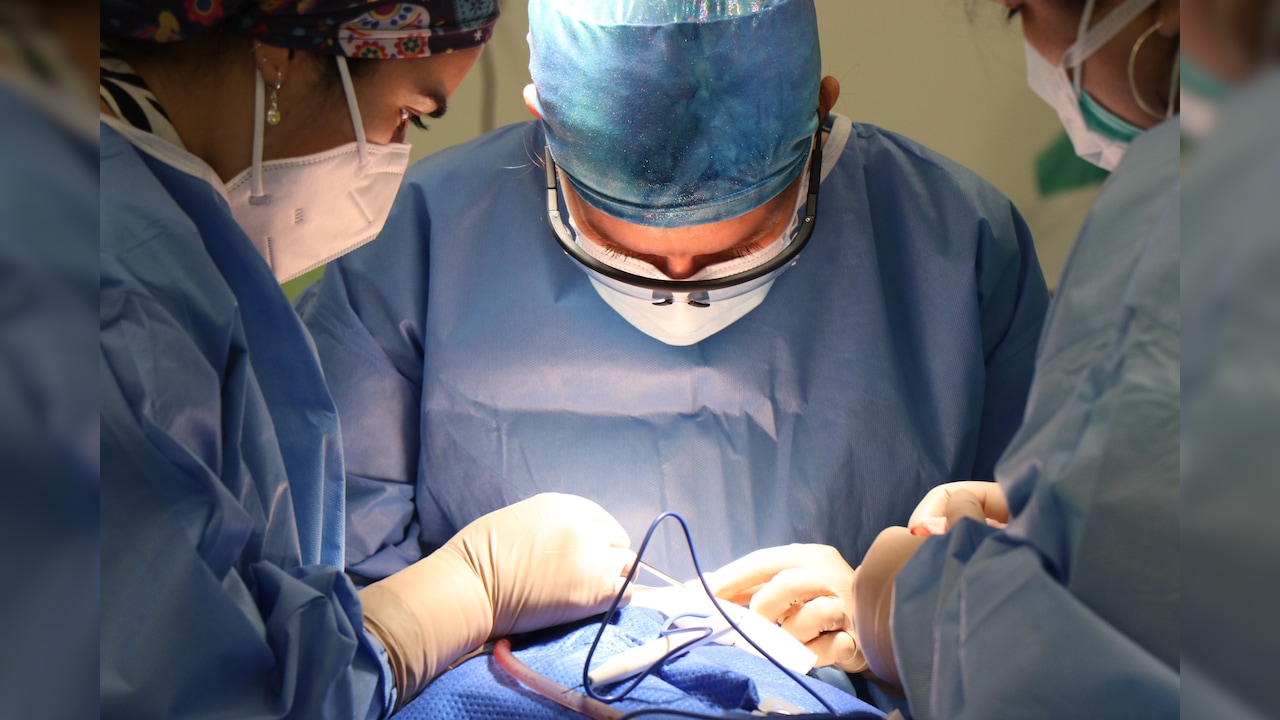
Saying the Welsh NHS is in its strongest pre-winter position ever sounds great on a press release. Honestly, though, when you sit down with the actual autumn 2026 numbers from StatsWales and the Welsh Government, the picture is way more complicated than a political soundbite.
Cabinet Minister for Health and Care Mabon ap Gwynfor made headlines in November 2026 by arguing that recent investments are finally paying off and leaving services better prepared for the cold months ahead. Yet on the very same day those claims circulated, official figures showed planned treatment waiting lists in Wales had climbed for the sixth straight month. If you're a patient in Cardiff, Wrexham, or Aberystwyth trying to figure out what this actually means for your care over the next few months, you can't rely on slogans. You have to look at what's genuinely improving, what keeps stalling, and where the real bottlenecks live.
Why the Welsh NHS Pre-Winter Position Splits in Two
Politicians love a single headline metric. Healthcare systems don't work like that.
When Mabon ap Gwynfor insists the Welsh NHS is entering winter from a stronger starting point, he isn't making things up out of thin air. Specific parts of the service—especially the longest multi-year backlogs and ambulance response times for life-threatening cardiac arrests—have measurably improved compared with the worst post-pandemic spikes. At the same time, opposition critics and surgical bodies like the Royal College of Surgeons of England point to overall referral-to-treatment pathways creeping back up since March 2026.
Both sides are looking at the same spreadsheet. They're just highlighting different rows.
To make sense of the Welsh NHS pre-winter position, you have to separate acute emergency flow from planned routine care. One is about how fast an ambulance reaches your door or how quickly an emergency department clears a trolley. The other is about how many months you wait for a hip replacement, a diagnostic MRI, or a physiotherapy slot. Treating them as one giant blob is where most commentary goes off the rails.
Where the NHS in Wales Is Actually Improving
Give credit where it's due. Certain pockets of the health service in Wales have made real headway heading into late 2026, particularly where targeted funding and preventative programs had room to breathe.
Clearing the Longest Backlogs
For years, the most embarrassing statistic in Welsh healthcare wasn't the total queue—it was the sheer number of people stuck waiting two years or more for treatment. By September and October 2026, those extreme waits had dropped dramatically from their post-pandemic peaks. Provisional October 2026 figures put two-year waits around 5,300 pathways, while waits over a year for a first outpatient appointment fell to roughly 13,100 in September—down more than 87% from the August 2022 peak.
That didn't happen by accident. Welsh health boards pushed hard on outsourcing, weekend theatre sessions, and cleaning up duplicate records across hospital systems. If you've been stuck in limbo since 2024, your odds of finally getting a date have genuinely improved.
Life-Threatening Ambulance Calls and Resuscitation
When someone's heart stops, averages don't matter—minutes do. In October 2026, the Welsh Ambulance Service hit its 6-to-8-minute median response target for "purple" calls (the most critical, immediately life-threatening emergencies), clocking in at 7 minutes and 28 seconds. Even better, for cardiac arrest patients where resuscitation was attempted, 28.6% arrived at the hospital with a return of spontaneous circulation. That's the highest survival-to-hospital rate since Wales started tracking that metric.
Structural Investments Before the Freeze
The Welsh Government has also put serious money into structural fixes rather than just last-minute winter bailouts:
- Dedicated surgical hubs: Plans announced in November 2026 back up to 10 ring-fenced surgical hubs across Wales over four years, keeping planned operations separate from emergency admissions so winter flu surges don't automatically cancel routine procedures.
- Community-first urgent care: Over £23 million was earmarked in early November 2026 to expand same-day community care and aim for a 72-hour discharge ambition when hospital stays are unavoidable.
- Preventative winter vaccines: Deputy Minister Nerys Evans and public health teams rolled out coordinated autumn drives for flu, COVID-19 boosters, and the respiratory syncytial virus (RSV) vaccine—a separate jab that easily slips off people's radar until paediatric and elderly wards fill up.
- No-referral mental health access: More than 300,000 contacts have gone through the NHS 111 press 2 mental health helpline, taking pressure off GP surgeries and A&E waiting rooms.
The Winter Pressure Points Nobody Should Ignore
Now for the part that makes frontline nurses, paramedics, and surgeons wince when they hear "strongest position ever".
Six Months of Rising Total Waiting Lists
While two-year waits shrank, the overall queue in Wales expanded every single month from spring into autumn 2026. By the end of October 2026, provisional data showed roughly 721,900 total patient pathways waiting to start treatment, representing around 563,500 individual patients (since one person can sit on multiple lists).
Why does the total queue keep growing while the longest waits shrink? Simple math. More patients are being referred into the system than hospitals can treat and discharge. Meanwhile, therapy waiting lists hit a record high of nearly 66,500 pathways in September 2026. If you need speech therapy, occupational therapy, or post-injury rehab, the bottleneck is tighter than ever.
Emergency Departments and the 12-Hour Trap
Officially, Wales sets a target that 95% of emergency department patients should be admitted, transferred, or discharged within four hours, and zero patients should wait over 12 hours. Reality looks nothing like that target.
In October 2026—before winter weather or peak flu season even arrived—only 61.1% of A&E patients were seen within four hours. Worse, 11,830 people spent 12 hours or more stuck in emergency departments. Even accounting for a minor rule change in how waiting clocks are measured (which added roughly 2% to 3% to the 12-hour count), having nearly twelve thousand people stranded in A&E for half a day in mild autumn weather is a flashing warning light.
The Social Care Exit Block
Ask any hospital consultant in Swansea or Bangor why A&E corridors back up, and they won't blame a lack of doctors in the emergency room. They'll point upstairs to the wards.
In October 2026, around 1,300 patients across Wales were medically fit to leave hospital on the census day, yet couldn't go home because community care packages, care home beds, or home adaptations weren't ready. Those delayed pathways accounted for nearly 59,000 cumulative lost bed days in a single month. Until council social care budgets and domiciliary care staffing match hospital demand, the NHS front door will keep jamming every time temperatures drop.
Why Your Experience Depends Heavily on Your Postcode
One thing national ministerial statements gloss over is how wildly performance swings between Wales's seven health boards. Saying "Wales is ready" means very different things depending on where you live.
Look at October 2026 emergency department data. Under Aneurin Bevan University Health Board, 68.3% of A&E patients were dealt with inside four hours. Head north to Betsi Cadwaladr University Health Board—which has struggled with governance and capacity challenges for years—and that figure drops to 51.4%, with 19.0% of patients waiting over 12 hours. Compare that with Cardiff and Vale, where 12-hour waits sat at 7.8%.
Cancer treatment timelines show the exact same postcode gap. Earlier 2026 summaries showed Hywel Dda starting 65.8% of cancer patients on treatment within the 62-day target, compared with 51.2% in Betsi Cadwaladr. When you read a broad claim about NHS Wales being in its best shape ever, remember that averages hide huge local disparities.
What the Headlines Leave Out About NHS Data
If you've ever felt confused reading two news stories published on the same day—one saying waiting lists are down, another saying they're at a record high—you aren't imagining things. Both stories can be technically accurate because of how NHS Wales counts activity.
First, pathways aren't people. Roughly 721,900 pathways translate to about 563,500 actual humans. When health boards audit their lists and strip out duplicate entries or patients who no longer need surgery, the headline number drops without a single extra operation taking place.
Second, measurement rules shift. In autumn 2026, Welsh statisticians updated how emergency department waiting times are recorded for certain patient categories, instantly bumping up recorded 12-hour waits by an estimated 2% to 3%. If you compare October 2026 straight against October 2025 without reading the footnotes, you'll misread the trend.
Third, winter resilience isn't tested in October. Summer and autumn planning sprints—like the four-domain self-assessments run by NHS Wales Performance and Improvement covering frailty care, acute beds, discharge speed, and operational command—build better playbooks on paper. Real stress hits between late December and mid-February, when norovirus, flu, and cold snaps collide with staff sickness. Even the Welsh Government recognized earlier in autumn 2026 that deeper structural answers are needed, commissioning an independent review of Welsh NHS performance through the Health Foundation. You don't commission an outside review if everything is already running smoothly.
Navigating the Welsh NHS This Winter
You can't personally fix council social care shortages or speed up the construction of new surgical hubs. You can, however, protect yourself and your family from getting caught in the worst winter bottlenecks if you handle the system smartly.
- Book every eligible winter vaccine now. Don't just think about flu and COVID-19. Check whether you or older relatives qualify for the RSV vaccine, which Welsh health officials specifically flagged in autumn 2026 because people routinely overlook it. Keeping respiratory infections mild is the single best way to stay out of a hospital corridor.
- Use the right entry point for urgent problems. Unless someone has chest pain, severe bleeding, stroke symptoms, or a major injury, skip A&E. Community pharmacists across Wales can prescribe medications for common winter ailments under the Common Ailments Service, NHS 111 Wales handles urgent triage, and calling NHS 111 and pressing 2 connects you directly to mental health support without needing a GP referral.
- Audit your active waiting list status. If you're among the hundreds of thousands waiting for an outpatient slot, scan, or procedure, don't assume silence means you're moving forward. Confirm your health board has your current mobile number and address, respond immediately to text validation messages (missing one can get you removed from a list), and contact your GP if your symptoms deteriorate so your clinical priority can be upgraded.
- Order repeat prescriptions seven days early. Cold weather, bank holiday closures around Christmas and New Year, and medicine supply hiccups catch patients off guard every single winter. Put your repeat request in a full week before your blister pack or inhaler runs out.
- Prepare early for a relative's hospital discharge. If an elderly parent or partner gets admitted this winter, talk to the ward discharge team on day one about what support they'll need at home. Knowing whether family members can temporarily bridge minor care tasks while formal social care packages get arranged can save a loved one from spending extra weeks stuck in an acute hospital bed.