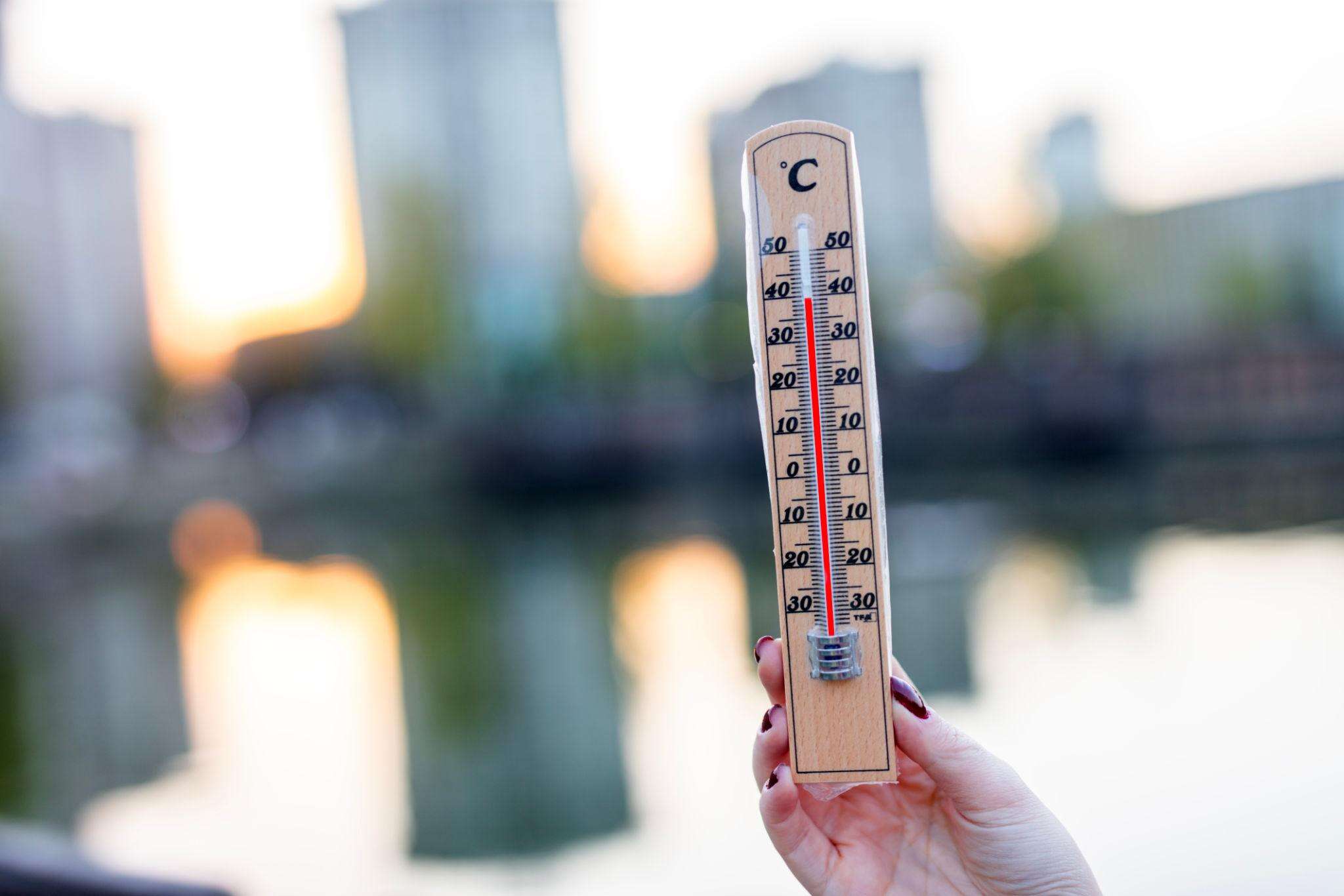
The UK is baking again. Temperatures are hitting 36°C. It is the third official heatwave of 2026, and the familiar panic has set in. The UK Health Security Agency (UKHSA) upgraded alerts to amber across almost the entire country. Hospitals are already feeling the strain.
But let's be honest. When Brits hear "36°C," half the country treats it like a free pass to day-drink in a pub garden, while the other half panics.
The problem is that standard British homes and infrastructure are completely unequipped for this kind of weather. We live in insulation boxes designed to trap every single watt of heat. When the outside air gets hotter than your body temperature, the traditional advice fails. Opening a window doesn’t help. Sitting in front of a standard fan just blows hot air across your skin like a convection oven.
You need to change your strategy.
The Myth of the Open Window
When the heat peaks, your natural instinct is to throw open every window in the house. That is a massive mistake.
If the air outside is 35°C or 36°C, it is significantly warmer than the ideal indoor temperature. Opening your windows simply invites that blistering air inside, heating up your walls, furniture, and floors. Once your house absorbs that energy, it will keep radiating heat long after the sun goes down.
Keep your windows firmly shut and your blinds pulled down during the hottest parts of the day. Think of your home like a cooler box. You want to seal the cooler air inside. Only crack the windows open late at night or early in the morning when the outside temperature drops below the indoor temperature.
Why Tropical Nights are the Real Killer
Public health officials aren't actually terrified of daytime highs. They worry about the nights.
Forecasters are warning of "tropical nights" in urban areas, meaning temperatures will fail to drop below 20°C after dark. This is where the real danger lies. Your body needs to cool down at night to recover from daytime heat stress. When the ambient temperature stays high, your heart rate remains elevated, and your blood pressure fluctuates.
According to data from the UKHSA, hospital admissions spike dramatically during prolonged spells with high overnight minimums. Older adults, individuals with cardiovascular issues, and young children suffer the most because their bodies cannot thermoregulate efficiently in stagnant, warm air.
Simple Tactics to Cool Down Instantly
Forget buying an expensive air conditioning unit at the last minute. They are sold out anyway. Instead, use these direct methods to keep your core temperature down.
- Ice behind the fan: Placing a large bowl of ice or frozen water bottles directly in front of your desk fan cools the air moving toward you, rather than just shifting warm air around.
- Target your pulse points: Run cold water over your wrists or place a damp, cool cloth on the back of your neck. This cools the blood flowing through your major vessels and brings down your core temperature quickly.
- Ditch the heavy meals: Digestion generates metabolic heat. Eating large, protein-heavy meals forces your body to work harder. Stick to lighter, water-rich foods like salads, fruits, and cold soups.
- Check your meds: Many common medications—including diuretics, blood pressure tablets, and antidepressants—affect how your body handles heat or processes hydration. If you take regular prescriptions, do not stop taking them, but do double your water intake.
The Cold Water Shock Danger
With the sun blazing, jumping into a local river, lake, or reservoir sounds like paradise. It isn't.
The National Fire Chiefs Council and the RNLI have raised major flags about water-related incidents during this hot spell. Even when the air is 36°C, open bodies of water in the UK remain shockingly cold. Jumping in can trigger involuntary gasping, hyperventilation, and sudden muscle paralysis.
If you do fall in or choose to swim, remember the RNLI advice: float to live. Fight your instinct to thrash around. Lean back, extend your arms and legs, and gently float on your back until your breathing stabilizes.
Your Immediate Action Plan
Do not wait until your house turns into a sauna to act. Take these steps right now.
First, freeze several bottles of water today so you have ice blocks ready for tonight. Second, check on your elderly neighbors or vulnerable friends; a quick phone call can literally save a life during an amber alert. Third, if you absolutely must travel, get on the trains before midday. Rail infrastructure expands in this heat, leading to speed restrictions and severe delays later in the afternoon. Stay indoors, seal your windows, and keep drinking water before you actually feel thirsty.