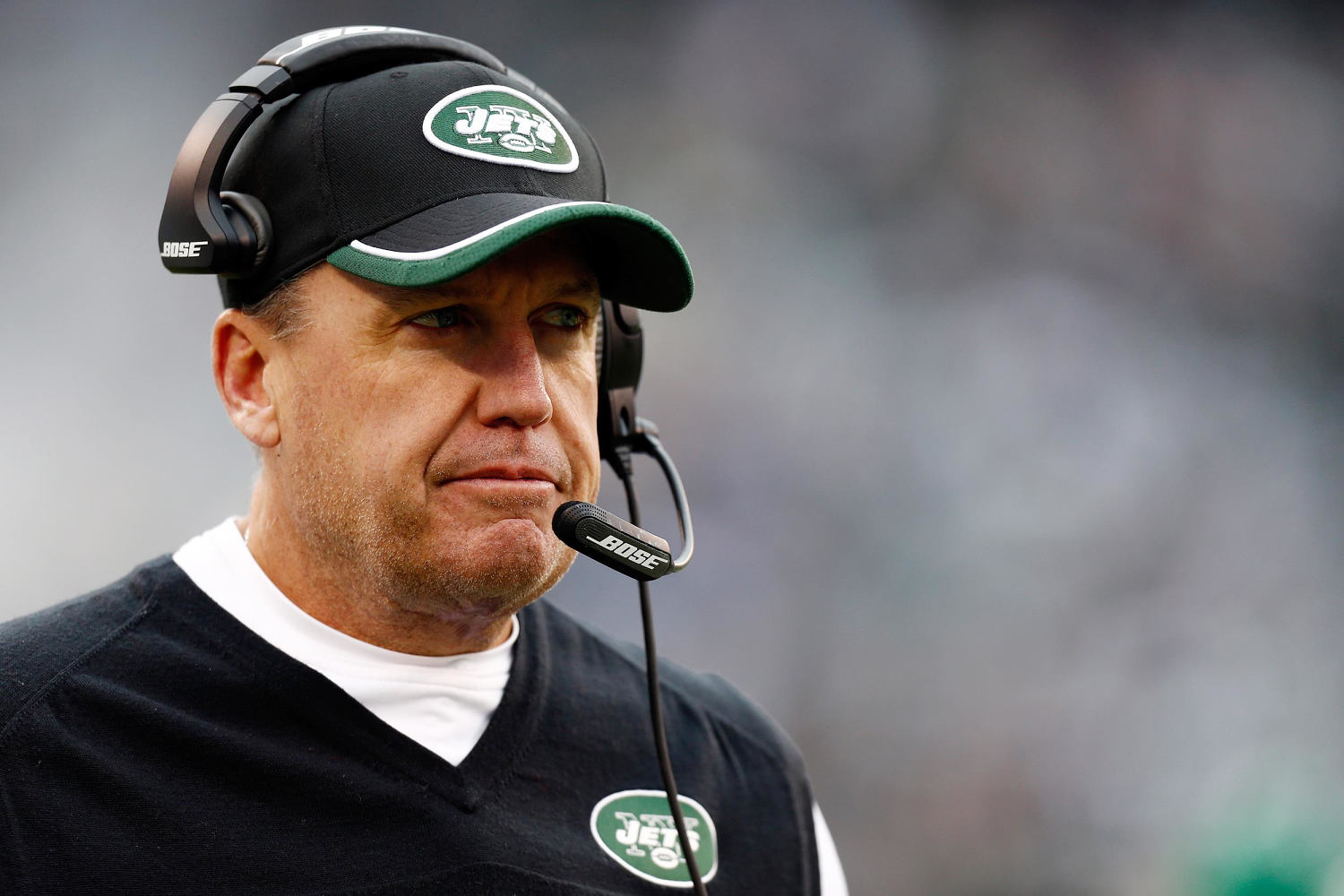
When headlines flash across sports networks about a former NFL head coach turning himself in to police, the public jumps straight to wild conclusions. That's exactly what happened with the news surrounding the Rex Ryan hit and run investigation involving two injured pedestrians.
People love a dramatic sports scandal. They see the words "surrenders to police" and immediately picture a high-speed chase, handcuffs in a stadium tunnel, or a career-ending felony conviction. Honestly, the reality of how these cases unfold—and what actually happens legally when a high-profile figure turns themselves in—is far more nuanced than a ten-second social media clip makes it sound. Recently making news recently: Anatomy of a High-Speed Motorsport Incident at Daytona International Speedway.
Let's clear the air right away. Turning yourself in isn't an admission of guilt. It's a standard, calculated legal move made by defense attorneys to control the narrative and keep their client out of the back of a patrol car.
Why Surrendering to Police Happens in High-Profile Cases
If you've ever worked around criminal defense or sports media crisis management, you know the drill. When an arrest warrant is issued or charges are filed following an ongoing traffic investigation, police don't usually kick down the door of a well-known television analyst. Instead, investigators contact the person's legal team. Additional details regarding the matter are explored by Yahoo Sports.
They negotiate a time and place.
The individual walks into the precinct, gets processed, posts a pre-arranged bond, and walks back out—often within an hour or two. Why does this matter? Because it avoids the dreaded "perp walk" outside a home or workplace. For someone like Rex Ryan, whose entire post-coaching livelihood depends on his visibility and credibility on television broadcasts, avoiding that visual chaos is priority number one.
Here's what most casual fans miss about the timeline of a hit-and-run investigation:
- Delayed warrants are normal. Unlike a DUI stop where an arrest happens on the shoulder of the highway, hit-and-run cases require reconstruction. Police have to pull surveillance footage from nearby businesses, interview witnesses, track license plates, and verify who was actually behind the wheel at the time of impact.
- Medical evaluations take time. Charges often hinge on the severity of the injuries sustained by the pedestrians. Prosecutors wait for hospital reports to determine whether a case stays a misdemeanor or crosses into felony territory.
- Surrendering preserves bail terms. Judges look favorably on defendants who cooperate with booking procedures voluntarily rather than forcing law enforcement to track them down.
Breaking Down the Legal Reality of Leaving the Scene
In almost every U.S. jurisdiction, leaving the scene of an accident involving bodily injury carries serious weight. It doesn't even matter who caused the initial collision. You could have the green light, total right-of-way, and zero fault in the actual crash—if you drive away without stopping to render aid and exchange information, you've committed a separate criminal offense.
That distinction trips people up constantly.
In traffic law, prosecutors don't have to prove you were driving recklessly to convict you of leaving the scene. They only need to establish three core elements:
- You were operating the vehicle involved in an accident.
- You knew, or reasonably should have known, that the collision occurred and caused injury or property damage.
- You willfully failed to stop, provide your details, and assist anyone who was hurt.
Notice that second point. Knowledge of the impact. That is where almost every high-profile defense attorney plants their flag.
In crowded urban areas, tight parking structures, or chaotic post-event traffic, drivers routinely claim they didn't realize they clipped someone or brushed a pedestrian. Whether a jury buys that argument depends entirely on physical damage to the vehicle, witness statements, and camera angles. Without clear proof that a driver knew they struck a person, felony charges frequently get negotiated down to lesser traffic infractions or misdemeanor failure-to-report counts.
What Actually Happens to a Sports Media Career After an Arrest
Let's talk about the elephant in the room. Rex Ryan isn't coaching on an NFL sideline anymore; he's a prominent studio personality. In modern sports broadcasting, networks treat off-air legal trouble very differently depending on two things: the severity of the injuries and the transparency of the talent.
Think back to other major sports media incidents over the past decade. Networks rarely fire an analyst on day one of a misdemeanor or lower-level felony arrest unless there's graphic video evidence or a clear pattern of reckless behavior. Instead, executives hit pause. They let the legal process play out while keeping the talent off the airwaves during the initial news cycle.
If the injured pedestrians recover without life-altering trauma and the case resolves through a plea deal, restitution, and community service, broadcasters almost always bring the personality back once the headlines cool down. Public memory in the sports world is notoriously short. A new football Sunday arrives, games kick off, and viewers move on to arguing about quarterback ratings and blown fourth-quarter leads.
However, if civil lawsuits drag out or bodycam and surveillance footage surface showing blatant disregard for injured victims, sponsors start making phone calls. And in television, advertisers—not network producers—make the final call on who stays on screen.
The Financial Side Nobody Talks About
Criminal court is only half the battle when two pedestrians are injured in a vehicle incident. The quiet, expensive part happens in civil court, usually months after the criminal docket closes.
Even if a driver avoids jail time or gets criminal charges reduced, personal injury attorneys representing the pedestrians will pursue the driver's auto insurance policy—and potentially their personal assets. High-net-worth individuals like former NFL head coaches carry massive umbrella liability policies for this exact reason.
In an illustrative example of how these settlements work, an insurance carrier will evaluate total medical bills, lost wages, physical therapy costs, and pain-and-suffering damages for both victims. Because wealthy defendants want to avoid depositions and public trials where every detail of their personal life gets entered into the public record, civil claims involving celebrities settle out of court roughly 95% of the time. Those settlements almost always include strict non-disclosure agreements, meaning the public never learns the final dollar figure.
Why Competitor Headlines Oversimplify the Story
When news outlets publish breaking blurbs about a celebrity surrendering to police, they rely on wire copy and initial police blotters. You get the bare bones: a name, a charge, a booking photo, and a vague mention of two injured pedestrians. You don't get context on how criminal traffic investigations work, why surrendering is standard procedure, or what separates a momentary lapse in judgment from a career-ending scandal.
If you're following this story as it moves through the court system, ignore the sensational social media takes and watch three concrete markers instead:
- The formal charging document (the information or indictment): Look at whether prosecutors file felony hit-and-run with serious bodily injury or a standard misdemeanor leaving-the-scene count. That single detail tells you how severe the medical reports actually were.
- Arraignment plea and bond conditions: Pay attention to whether the court restricts driving privileges or imposes travel limitations, which directly impacts television broadcast schedules.
- Network scheduling announcements: Watch how ESPN or any affiliated broadcast partners handle upcoming weekend lineups, as quiet absences usually signal internal compliance reviews.
Watch the court filings rather than the rumor mill, because the official docket is the only place where the real facts of the case will ever show up.