Washington just redrawn the compliance map. If you think secondary sanctions are just background noise for international trade, look closer at the latest US Treasury sweep. The rollout of the aggressive campaign dubbed "Operation Economic Outcast" targets nearly 60 global entities, vessels, and individuals. Among them, four India-based companies suddenly find themselves squarely in the crosshairs for alleged petroleum and petrochemical ties to Iran.
Let's look at what actually happened and why this particular enforcement wave changes the calculus for third-country intermediaries.
Inside the Designations
The US State Department and Treasury didn't pick names out of a hat. They mapped out specific procurement conduits and shipping nodes. Portease Partners LLP got flagged alongside Indian nationals Indrismiya Ashrafmiya Shekh and Harish Ramchandra Rangi for allegedly moving multiple shipments of Iranian petrochemical products.
Then there are the heavy hitters by volume. Sadashiva Overseas Limited allegedly brought in roughly 69 million dollars worth of Iranian-origin petroleum products between February 2024 and June 2025. PP Softtech Private Limited and Prakrutees Infra Impex India Private Limited also landed on the blacklist for similar multi-million dollar import volumes tied to restricted networks.
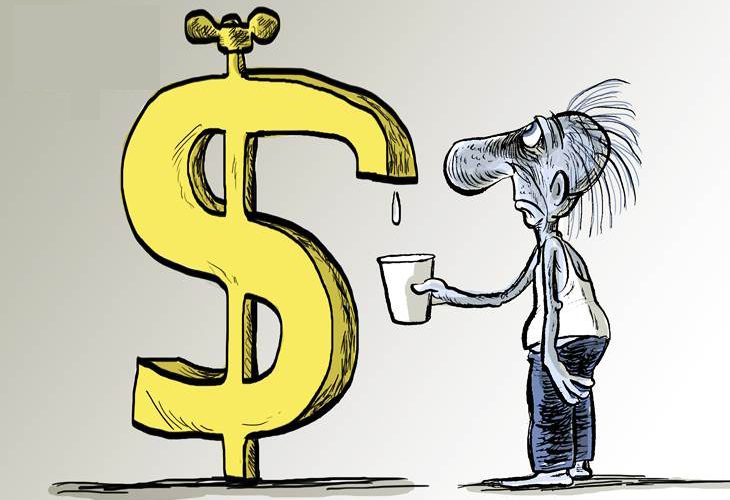
These aren't vague warnings. They are full economic designations under Executive Order 13846, cutting these firms off from dollar-denominated clearing systems and threatening any global bank that touches their transactions.
Why India-Based Intermediaries Keep Getting Caught
Operating a supply chain through alternative jurisdictions sounds clever in a boardroom, but digital paper trails make evasion harder by the month. Tehran has spent decades building shadow networks, dark fleets, and intermediary fronts to keep energy exports flowing. When small-to-midsize trading firms step into that vacuum, they often underestimate how aggressively Western intelligence tracks maritime data, corporate registries, and shell company directors.
The US administration's rationale under Operation Economic Outcast is simple: choke off the financial lifelines supporting regional military activities. For Indian businesses, this serves as a brutal reminder that compliance isn't just about local regulations. It's about extraterritorial enforcement that reaches right across borders.
The Broader Fallout for Global Trade
Treasury Secretary Scott Bessent framed this new enforcement wave as an economic onslaught designed to force a choice between global integration and total isolation. But enforcement always hits friction when major economies have historical or practical trade routes at stake.
Smaller firms often lack the compliance infrastructure to vet complex supply chains, ending up exposed to designated middlemen like Bonjour Commodity F.Z.E. Once a partner entity is flagged, the ripple effect tears through downstream contracts overnight.
Check your counterparty risk metrics immediately if you manage cross-border commodity trade in South Asia. Audit your suppliers for obscure intermediary links before a compliance hammer drops on your own operations.