The Department of Justice is digging into whether federal officials criminally conspired against Donald Trump during the early days of the Russia investigation. If that sounds like high-stakes political theater, it's because it is. But the real story isn't just the existence of the probe itself. It's the guy who just signed up to help run it.
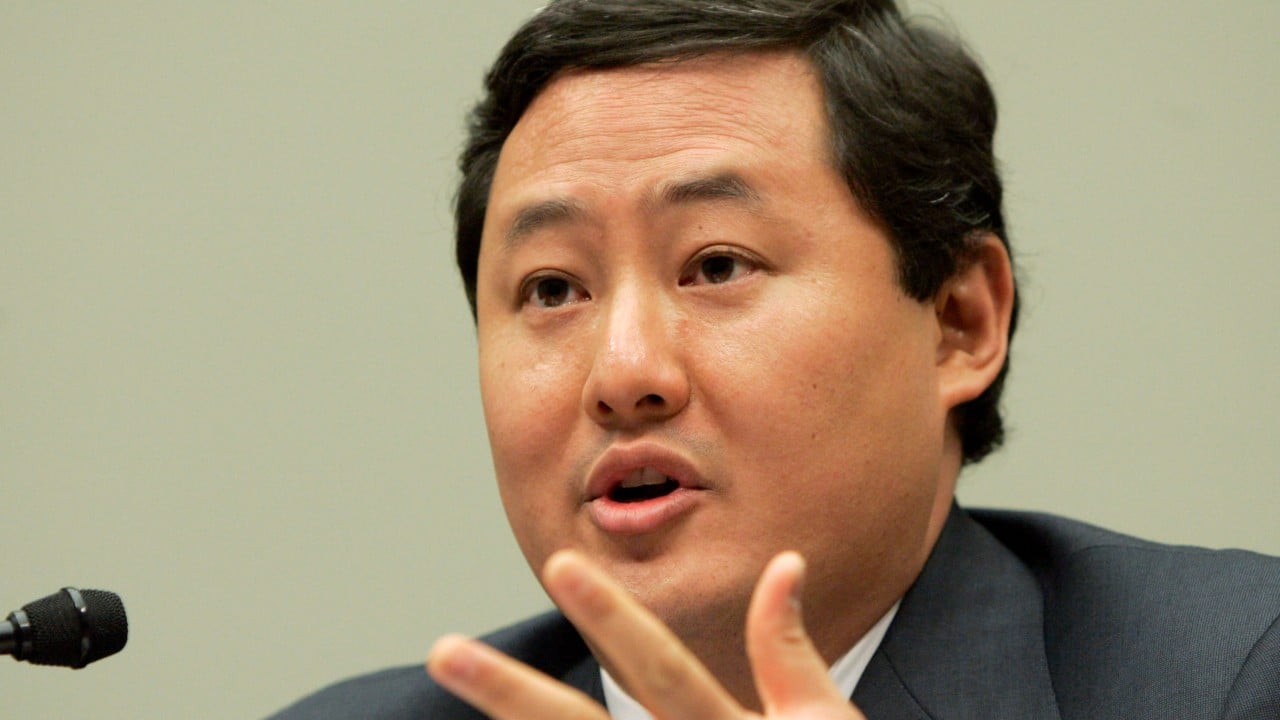
John Yoo, the UC Berkeley law professor famously known as the architect of the post-9/11 "torture memos," is officially advising the investigation. He is teaming up with Joe diGenova, a former U.S. attorney brought into the fold as a counselor to the attorney general.
People are focusing heavily on the partisan fireworks, but they are missing the bigger picture. This appointment isn't just a random staffing choice. It is a deliberate signal about how far the current administration is willing to push the boundaries of executive power to settle old scores.
The Unitary Executive Theory in Real Time
To understand why Yoo's involvement matters, you have to ignore the cable news talking points and look at his core legal philosophy. Yoo is the chief champion of the unitary executive theory. It's a fancy legal term for a simple, aggressive idea: the president enjoys total control over the entire executive branch, and nobody within that bureaucracy has the right to defy him.
For a decade, Trump has claimed that a "deep state" cabal of intelligence and law enforcement officials subverted his presidency. By bringing Yoo into a criminal investigation targeting those exact former officials, the DOJ is turning an academic legal theory into a blunt weapon.
The investigation, operating out of Florida, is zeroing in on the 2017 Intelligence Community Assessment. That was the report concluding Russia meddled in the 2016 election to help Trump win. Prosecutors have already hammered former officials with a wave of subpoenas for records and interviews.
Let's look at the facts of what previous reviews actually found vs. what this probe is hunting for:
- The Mueller Report (2019): Confirmed systematic Russian interference and noted the Trump campaign welcomed the help, but found insufficient evidence of a criminal conspiracy between Moscow and the campaign.
- The Horowitz Inspector General Report: Identified serious errors and omissions in the FBI's wiretap applications but found no evidence of political bias motivating the launch of the probe.
- The Durham Investigation: Resulted in one minor guilty plea from an FBI lawyer who doctored an email, but failed to uncover a vast, top-down criminal conspiracy by senior officials.
So why keep digging? Because under Yoo's view of the Constitution, federal bureaucrats investigating their own boss isn't just a conflict of interest—it's an institutional rebellion.
Why This Timing Matters Now
Acting Attorney General Todd Blanche recently confirmed to Fox News that the department is actively investigating whether a long-running conspiracy existed to bring down Trump. Critics view this as pure political retribution, especially since multiple past investigations failed to turn up any criminal misconduct by senior intelligence leaders.
But looking at this purely through the lens of political revenge misses the legal strategy. Yoo doesn't see the executive branch as an independent checks-and-balances system. He views the FBI, the CIA, and the DOJ as tools of the presidency. If those agencies worked behind the scenes to undermine an incoming president based on a flawed intelligence narrative, Yoo believes that violates the core structure of Article II of the Constitution.
For anyone trying to track where this goes next, keep your eyes on the specific subpoenas coming out of Florida. The investigators are hunting for evidence that officials intentionally falsified intelligence or coordinated leaks to spark the initial Russia probe.
If you are a federal employee or a compliance officer tracking the limits of executive oversight, the immediate takeaway is clear: the traditional firewall between the White House and active DOJ investigations has eroded completely. Expect more aggressive subpoenas, fewer protections for institutional norms, and a legal strategy designed to punish bureaucratic independence. The weaponization of the DOJ is no longer just a campaign speech line; it's a formalized legal strategy backed by the most aggressive theorist in modern constitutional law.