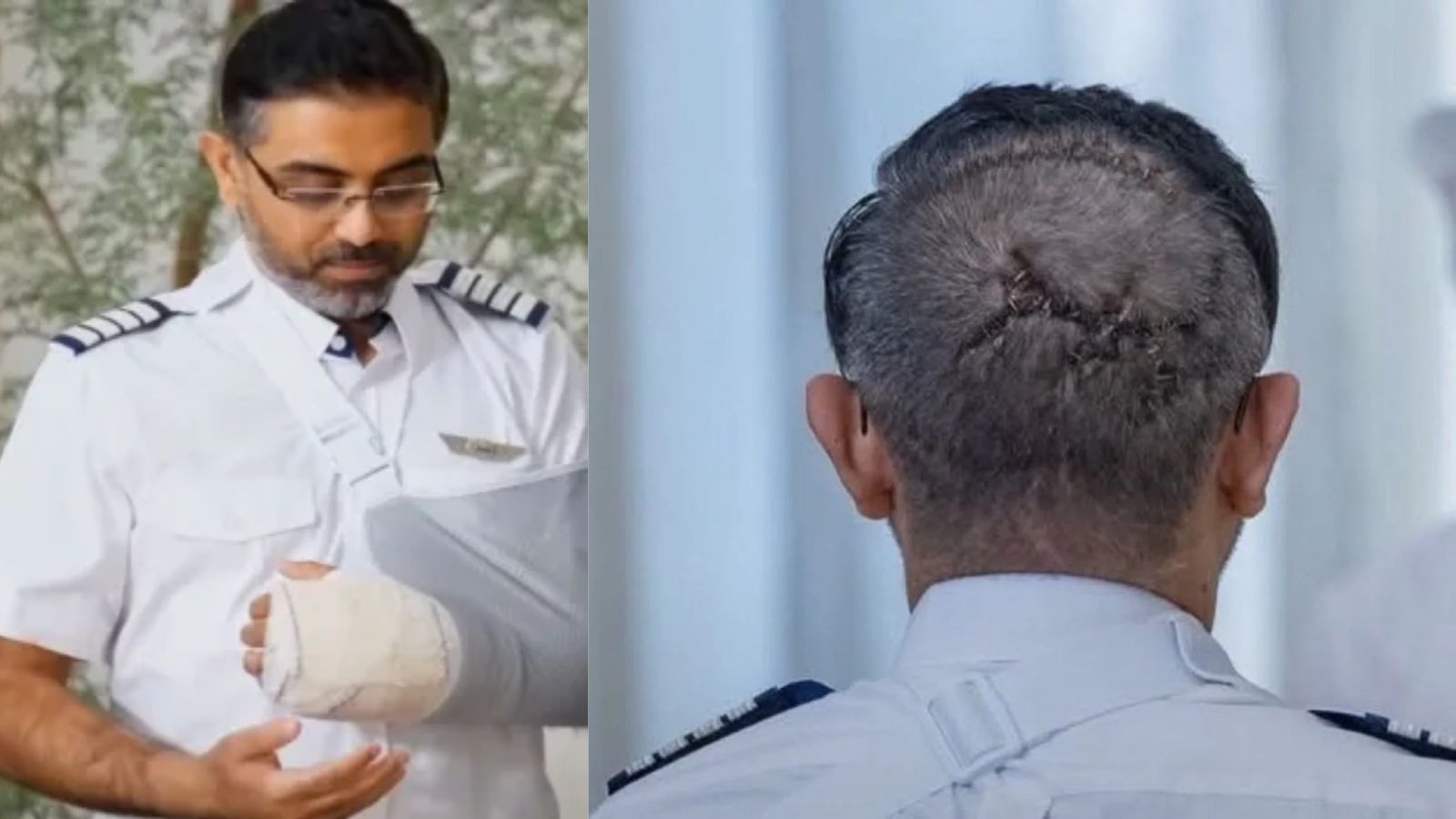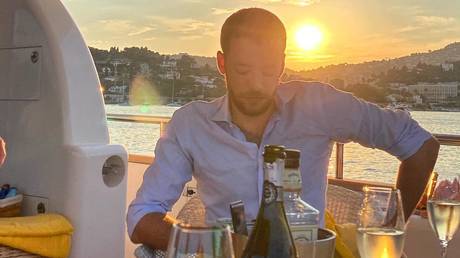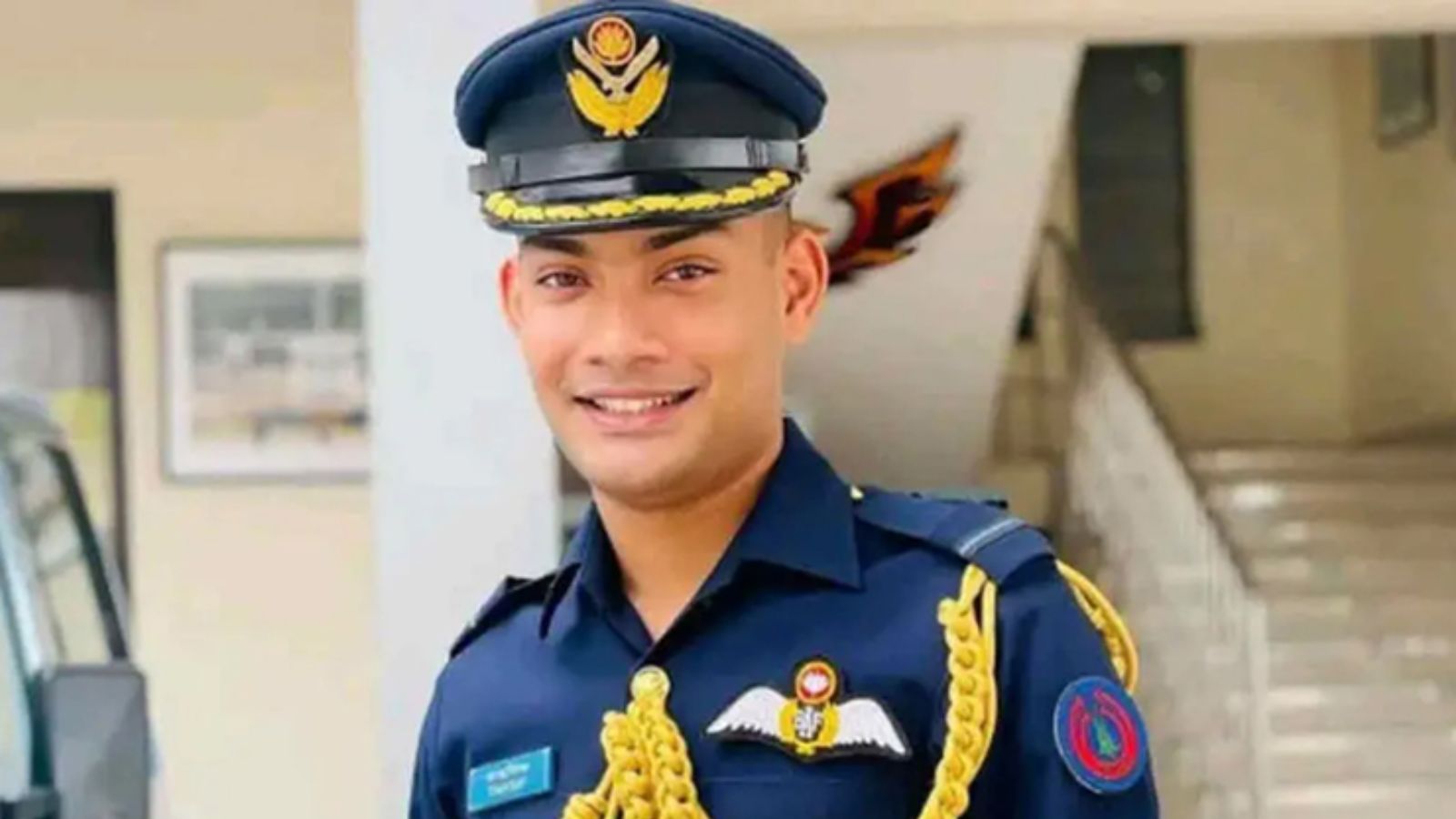
When police pulled the body of 28-year-old former Bangladesh Air Force Flight Lieutenant KM Tahsif Souri from the Turag River on October 28, 2026, social media instantly wrote the script. Political assassination. Foreign intelligence retaliation. A whistleblower silenced over the viral video showing ousted Prime Minister Sheikh Hasina fleeing Dhaka in August 2024.
Look closer at the actual police records, CCTV footage, and court filings from Dhaka, though, and a far messier picture emerges.
The early headlines treated Tahsif’s death like an open-and-shut political thriller. That’s what happens when a high-profile death collides with a volatile political climate—especially with Sheikh Hasina threatening to return from exile in India and Bangladesh’s political streets already on edge. Yet as investigators from the River Police and the Police Bureau of Investigation (PBI) began piecing together Tahsif’s final hours, the trail didn't lead straight to an intelligence safe house. It led to a bar in Uttara, a late-night motorcycle ride to a notorious Tongi drug hotspot, and conflicting stories from a junior friend.
Why KM Tahsif Souri Was Already a Marked Name
You can't separate Tahsif’s death from the shadow that followed him for over two years. When Sheikh Hasina’s government collapsed in August 2024 amid mass street protests, a short clip went viral showing the deposed leader boarding a Bangladesh Air Force C-130J Hercules military transport aircraft to flee the country. That footage shattered any illusion of an orderly exit. It became one of the defining visual artifacts of Bangladesh’s political upheaval.
Tahsif Souri was quickly linked to that video. Shortly after the August 2024 regime change, he was dismissed—or, in the military’s official phrasing, compulsorily retired—from the Bangladesh Air Force.
His life after leaving uniform was anything but quiet. He drifted through civilian roles, working stints with the Bangladesh Cricket Board, Netra News, and Virgo Tobacco. Behind the scenes, he told friends and interviewers that his passport had been withheld for two years, calling it a violation of his basic rights.
In July 2026, just three months before his death, Tahsif appeared on a social media podcast and addressed the rumors head-on. When the host asked whether he lost his Air Force career because he filmed Hasina’s escape, Tahsif gave a guarded, two-word answer: "could be."
He pushed back hard against wilder online claims accusing him of working for India’s external intelligence agency, the Research and Analysis Wing (RAW). "If I were linked to RAW, why would I speak publicly?" he asked during the broadcast, calling the espionage accusation ridiculous. He also pointed out that the Inter-Services Public Relations (ISPR) directorate had previously issued a statement—originally released in August 2025—stating he was retired under standard institutional rules with no formal allegations against him.
Still, denial doesn't erase a target painted on your back. Following his death, his cousin Moshfeka Jahan posted an emotional statement on Facebook insisting Tahsif hadn't even shot the original footage. According to her, a colleague filmed it, and Tahsif merely shared it online as an ordinary citizen—a single click that triggered years of relentless harassment.
Reconstructing the Final Hours Before the Turag River
Most competitor reports stop at the political backstory and the body recovery. That leaves out the most revealing part of the case: what actually happened between Tuesday afternoon, October 27, and Wednesday afternoon, October 28.
Tahsif lived with his family in a flat in Sector 18 of Dhaka’s Uttara neighborhood. By all accounts, Tuesday started normally. He spent the day out shopping with his mother.
Around 6:00 pm that evening, a younger friend named Ahmed Shahriar Reza Dwip called him down from his apartment. CCTV footage later obtained by investigators showed Tahsif leaving on a motorcycle with Dwip. Tahsif told his mother he wouldn't be long.
Hours ticked by. When his mother called repeatedly late that night, Tahsif replied—messaging her around 1:35 am on Wednesday morning—to say he was on his way home.
He never walked through the door.
At roughly 4:30 pm on Wednesday, October 28, someone called Bangladesh’s national emergency helpline, 999, reporting a body floating in the Turag River near Rajabari Ghat in the Uttarkhan area. River Police personnel from the Tongi outpost arrived at the scene and pulled an unidentified young man from the water.
He was wearing a black full-sleeved kabli shirt and white trousers, with a wristwatch still strapped to his wrist and a packet of cigarettes in his pocket. Inside his pocket was an iPhone. Police used that phone to contact his family and confirm his identity.
What the Inquest Report Actually Found
When political rumors fly, physical forensics matter more than speculation. Sub-Inspector Mostafizur Rahman of the Tongi River Police Outpost prepared the preliminary inquest report before sending Tahsif’s body to Shaheed Suhrawardy Medical College Hospital for an autopsy.
Here is what examiners documented at the scene:
- There were no visible external injury marks, stab wounds, or signs of a violent beating anywhere on his body.
- His eyes and mouth were closed, and his face appeared normal.
- Blood was trickling from his nose, and his abdomen was visibly swollen.
To Tahsif’s father, KM Enayetul Karim Helal, the idea that his son simply slipped and drowned made zero sense. Tahsif was a former Air Force officer who had undergone formal military swimming training. Even more puzzling, his father noted that Tahsif had no personal or professional reason to be anywhere near Rajabari Ghat in Uttarkhan. On October 30, Karim formally filed a murder case at Uttarkhan Police Station.
The Investigation Takes a Sharp Turn
Once the Police Bureau of Investigation stepped in alongside the River Police, the narrative shifted dramatically away from an intelligence hit squad.
Investigators zeroed in on Ahmed Shahriar Reza Dwip, the friend who had picked Tahsif up on Tuesday evening. Initially, Dwip told Tahsif’s family that they had eaten dinner together and that he had dropped Tahsif back off at his Uttara residential compound.
Police interrogation and CCTV evidence tore that story apart.
Surveillance footage recovered by investigators showed Tahsif and Dwip at a bar in Uttara alongside a young woman—later identified by police as Disha—prior to heading toward Tongi. Under PBI questioning, Dwip changed his account. He admitted they had traveled around midnight to the Mazar Basti area of Tongi, a neighborhood notorious among local law enforcement as an active drug hotspot.
According to Dwip’s revised statement to interrogators, a group of people chased them near the river. Dwip claimed Tahsif jumped into the Turag River to escape while he fled the scene.
Investigators weren't buying the whole story. On October 30, acting on information extracted from Dwip, PBI officers recovered Tahsif’s motorcycle from the Mazar Basti area in Tongi—roughly three kilometers away from where his body had surfaced. Soon after, police arrested Disha, the woman seen with the two men on bar CCTV footage, and placed both her and Dwip on multiple rounds of court-approved police remand. By November 5, Dhaka courts had granted investigators a third consecutive remand period for Dwip after police argued he was still evading critical questions about what happened by the riverbank.
Political Scapegoat or Street Crime Gone Wrong
This is where honest journalism requires admitting what we don't know yet. Right now, two competing theories are colliding in Dhaka, and neither can be dismissed without the final chemical toxicology and autopsy findings.
The Political Retaliation Theory
Tahsif’s extended family and several retired military peers believe his death cannot be divorced from his past. A delegation from the Retired Armed Forces Officers' Welfare Association (RAOWA) visited Tahsif’s grieving family in Uttara and publicly demanded that investigators examine the family’s claims that intelligence agencies had kept Tahsif under surveillance for two years. In a country where political polarization has spilled into street violence and arson ahead of Hasina’s threatened return, a former officer linked to her 2024 ouster was always vulnerable.
The Criminal Misadventure Theory
Law enforcement’s physical evidence points toward a much more localized, criminal chain of events. CCTV timestamps, bar witnesses, a recovered motorcycle in a known narcotics corridor, and a companion who lied repeatedly to the victim's father all suggest an altercation or ambush connected to their midnight trip to Tongi. Bleeding from the nose without external blunt-force trauma can occur in drowning, asphyxiation, or acute physiological distress—details only forensic pathologists at Shaheed Suhrawardy Medical College can verify.
Bangladesh’s Home Minister Salahuddin Ahmed refused to speculate on any connection to the 2024 Sheikh Hasina video, stating plainly that officials would speak only after the autopsy and preliminary probe conclude. Prosecutor Zoha also called for a comprehensive digital forensic examination of the iPhone pulled from Tahsif’s pocket, which holds his final call logs, location pings, and messages from that night.
How to Follow This Story Without Falling for Disinformation
Whenever a death touches India-Bangladesh geopolitics or Sheikh Hasina’s exile, partisan YouTube channels and social media accounts flood the zone with fabricated spy plots within hours. If you want the real truth as the Dhaka court proceedings unfold, watch three concrete indicators rather than viral thumbnails:
- The Shaheed Suhrawardy Medical College Autopsy and Viscera Report. Watch for whether pathologists confirm wet drowning (water in the lungs) versus dry asphyxiation or toxic substances in his bloodstream. That single distinction will settle whether Tahsif entered the river alive or was incapacitated beforehand.
- Digital Forensics From the Recovered iPhone. Cell tower triangulation and encrypted chat timestamps between 11:00 pm on October 27 and 1:35 am on October 28 will prove whether Tahsif voluntarily rode to Mazar Basti or was lured there under false pretenses.
- PBI Charge Sheets Against Dwip and Disha. Under Bangladeshi criminal procedure, police remand extensions only hold if investigators present verifiable evidence to a magistrate. When the PBI submits its formal charge sheet, look at whether prosecutors file charges under Penal Code Section 302 (murder) or culpable homicide—and whether any third-party assailants from Tongi are named.
Tahsif Souri spent two years trying to outrun the fallout of a few seconds of smartphone footage. Whether his death turns out to be the final chapter of a political vendetta or a senseless midnight tragedy in Tongi, the answers sit inside a Dhaka crime lab and a locked iPhone—not in the rumor mills online.