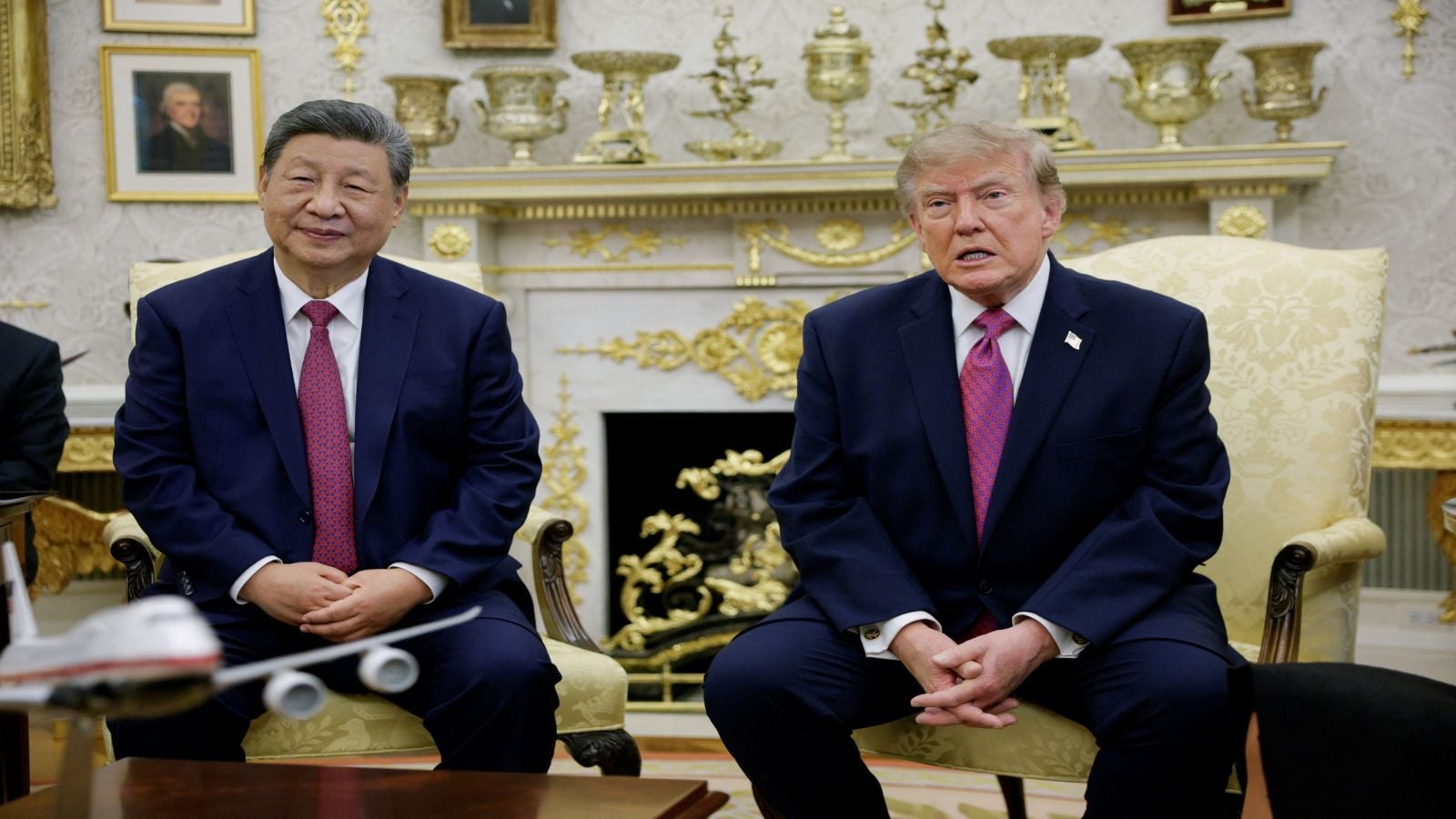
When Xi Jinping announced during his high-stakes diplomatic visit to the United States that Beijing would send a fresh pair of giant pandas to Zoo Atlanta, crowds cheered. Conservationists praised the move as a victory for wildlife preservation. Mainstream media outlets framed the decision as a heartwarming gesture of international goodwill. They missed the entire point. This is not about cute bears munching bamboo in Georgia. This is calculated statecraft wrapped in black-and-white fur, backed by multimillion-dollar leasing agreements, and tightly controlled by foreign ministries.
Giant pandas have never been simple zoo animals. They are living instruments of geopolitical messaging. When relations between Washington and Beijing sour, pandas pack their bags and head home. When leaders seek a diplomatic thaw, new arrivals touch down on American tarmac. Understanding this cycle requires looking past the public relations facade and examining the financial, political, and operational mechanics that govern every single panda transfer across international borders.
The Historical Anatomy of Panda Diplomacy
Beijing has practiced zoological statecraft for centuries, evolving the practice from imperial tribute exchanges into a sophisticated tool of modern foreign policy. During the Cold War, pandas served as diplomatic currency long before trade agreements or tech pacts took center stage. Leaders in Beijing understood that sending rare, charismatic megafauna to foreign capitals immediately softened their international image while maintaining strict control over the species' narrative.
The mechanics changed significantly in the late twentieth century. China shifted away from outright gifts, moving instead toward a commercial leasing model. Foreign zoos no longer owned their star attractions. Instead, they rented them for millions of dollars annually, with every single penny funneled back into domestic conservation projects and breeding research facilities managed by the Chinese Wildlife Conservation Association.
When previous residents like Lun Lun and Yang Yang spent decades at Zoo Atlanta before returning to China, they did so under contracts that explicitly stated any cubs born abroad remained the property of the Chinese state. These are not permanent residents. They are high-value diplomatic assets on temporary assignment. When the recent announcement surfaced regarding Atlanta's future arrivals, it signaled that diplomatic channels had reopened sufficiently to warrant another round of this elaborate biological exchange.
The Financial Mechanics of Zoological Leasing
Running a giant panda exhibit is an extraordinary financial burden. Zoos do not simply pay a flat rental fee and set out a pile of leaves. The standard contract demands an annual payment of roughly one million dollars per pair, funds earmarked for habitat protection in Sichuan province. Beyond that primary cost, the infrastructure requirements are staggering.
Constructing a habitat that meets stringent international climate control, security, and veterinary standards routinely costs tens of millions of dollars. Summer temperatures in Atlanta require massive, energy-intensive cooling systems to keep the animals comfortable. Furthermore, giant pandas are notoriously selective eaters. They consume vast quantities of fresh bamboo daily, requiring specialized local farming arrangements or expensive cross-country shipments to guarantee a steady supply of specific bamboo species.
Veterinary care adds another layer of financial complexity. Round-the-clock monitoring, specialized nutritional supplements, and international oversight committees demand an army of highly paid professionals. When Zoo Atlanta previously housed pandas, ticket sales spiked, driving merchandise revenue and food sales. Yet, the net profit margin remained razor-thin once maintenance, lease payments, and operational overhead were subtracted. Bringing a new pair into the facility forces leadership into a massive capital expenditure cycle, gambling that visitor attendance will offset millions in fixed costs for the next decade.
The Diplomatic Calculus Behind Closed Doors
No panda arrives by accident. Every transfer is negotiated during high-level bilateral summits, away from the view of television cameras. When foreign ministers and heads of state sit across negotiating tables, wildlife agreements often function as diplomatic sweeteners. They provide a tangible, non-controversial deliverable that leaders can announce to press corps eager for positive headlines.
Consider the timing of these announcements. They frequently coincide with broader discussions on trade tariffs, intellectual property rights, regional security, or climate cooperation. If a government wants to signal cooperation without making substantive concessions on contentious geopolitical issues, agreeing to host pandas offers a convenient diplomatic exit ramp. It projects an image of mutual warmth and enduring partnership, even as trade wars or naval standoffs persist in the background.
Local politicians seize upon these announcements with enthusiasm. Mayors, governors, and tourism boards celebrate the incoming bears as a massive economic win for the city. They highlight the educational value and the boost to regional hospitality sectors. Yet, this enthusiasm masks the transactional nature of the arrangement. The pandas are hostages to fortune. If diplomatic relations deteriorate sharply over the course of the lease, renewal talks stall, public pressure mounts, and the animals find themselves crated up for an early flight back to Chengdu.
The Strain on Local Institutions
Municipal parks and private non-profits face an impossible dilemma. Without star attractions like giant pandas, attendance figures drift downward, threatening the operational revenue needed to fund conservation education, local species breeding programs, and basic park maintenance. Zoos become addicted to the foot traffic generated by these high-profile loans.
This dependency creates systemic vulnerability. When a lease expires and cannot be renewed—as happened recently at several major American zoos amid diplomatic friction—the financial fallout for the host institution is severe. Facilities must scramble to find alternative crowd-pullers or restructure their budgets to account for millions in lost ticket revenue. The pressure to secure new pandas drives zoos to accept stringent contract terms that heavily favor the lender, leaving local administrators with limited bargaining power.
Moreover, the singular focus on giant pandas often starves other conservation projects of attention and funding. Millions of dollars flow toward maintaining an imported celebrity species, while less charismatic local or regional endangered species struggle for basic enclosure upgrades and research grants. The economics of zoo management skew heavily toward entertainment value disguised as science, driven by public demand for charismatic megafauna.
The Future of Cuddly Concessions
The return of pandas to Atlanta confirms that zoological diplomacy remains a potent instrument in modern international relations. As long as cities crave the attendance spikes and media attention these animals generate, and as long as Beijing utilizes them to project soft power and secure diplomatic goodwill, the cycle will continue.
Yet, peeling back the layers reveals an enterprise driven by realpolitik, financial speculation, and strict asset control. Every bamboo shoot chewed in Georgia represents a diplomatic compromise forged elsewhere. The public sees an adorable bear tumbling across a grassy enclosure, paying admission tickets with a smile. The reality behind the glass is far more calculating, proving that even the most cherished symbols of global wildlife conservation operate strictly within the brutal calculus of international power politics.