You can't fix a two-thousand-year-old wall with a bag of modern cement and a quick coat of polish. It sounds obvious. Yet, that's exactly what officials in Pakistan's Punjab archaeology department have been doing at Taxila, one of the most vital historical complexes in South Asia.
The United Nations cultural agency, UNESCO, recently caught wind of this slapdash restoration work. Now, they're threatening to pull the rug out from under the entire operation. If Pakistan doesn't reverse these aggressive alterations, Taxila risks landing on the World Heritage in Danger list, or worse, being stripped of its prestigious World Heritage status entirely.
The real tragedy here isn't just bureaucratic friction. It's the literal erasure of history.
The Crime of Modernizing the Ancient
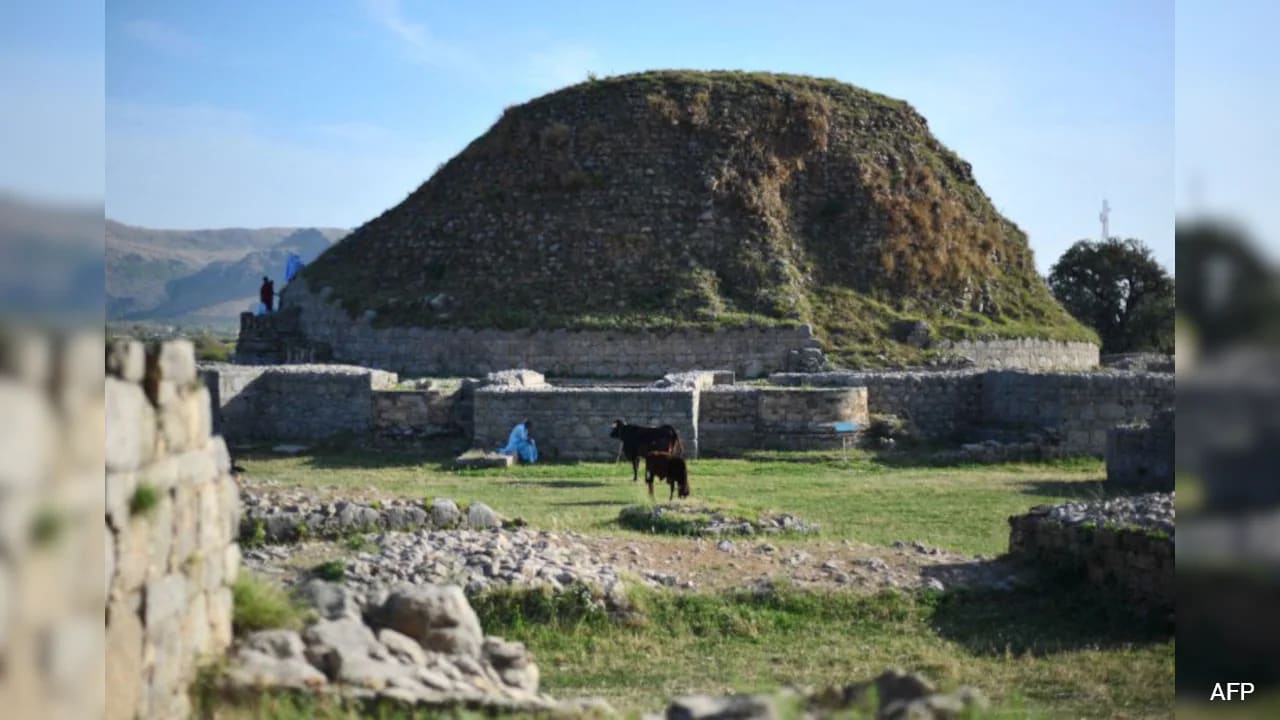
The controversy centers on two crucial monuments within the greater Taxila complex: Sirkap and Mohra Moradu. These sites track back to the Vedic era and the subsequent centuries of urban, Buddhist, and Mauryan evolution on the Indian subcontinent.
A whistleblower visited the ruins, took photos of the ongoing "preservation," and sent them directly to Pakistan’s permanent delegate to UNESCO in Paris. What those photos revealed was shocking to historians. Original, irregular ancient stones were being pulled down or buried under uniform, polished modern bricks. Wall heights were being artificially raised to make the ruins look neat and tidy.
Worse still, crews used modern mortar and cement.
Ancient masonry breathes. It survives centuries because it expands and contracts naturally with humidity and temperature shifts. When you slap rigid, modern cement onto ancient stones, you trap moisture. The old stone underneath suffocates and turns to powder.
UNESCO was blunt in its assessment. They called the works "unnecessary interventions" that completely compromise the authenticity of the site. They even reminded Pakistani officials about a time they delisted a site in Germany for failing to follow the rules. The message was clear: fix it, or you're out.
Aggressive Conservation vs. Real Preservation
The local authorities don't see it that way. Malik Zaheer Abbas, Director General of the Punjab archaeology department, fired back by claiming the work is strictly about stabilizing vulnerable structures. According to him, there is no question of reversing anything because they are doing conservation, not reconstruction.
But there is a massive difference between keeping a wall from falling over and completely changing its structural DNA. Look at the visual evidence:
- Ancient Masonry: Characterized by irregular, hand-cut stone sizes, variable weathering patterns, and historical imperfections that tell a story of regional conflict and architectural evolution over five centuries.
- The "Restored" Walls: Feature perfectly uniform, polished modern materials, clean geometric edges, and gray cement joint lines that look like they belong in a 21st-century suburban housing development.
This isn't an isolated mishap. Experts point out that the Taxila Archaeological Heritage Master Plan is fundamentally flawed. It approaches archaeology through the lens of urban engineering and tourism. The goal seems to be making the site look pretty for visitors, rather than keeping it authentic for history. For instance, beautiful, historic earthen courtyards at Mohra Moradu have been paved over with modern mortar just to make them easier to walk on.
A History of Neglect and Bureaucratic Stumbles
This isn't the first time the country's heritage management has embarrassed itself on the global stage. Back in 1998, a politician tried to build a sports stadium right on top of the Bhir Mound, another vital segment of the Taxila site. It took a massive public outcry to kill that project.
The fallout from this current cement scandal stretches far beyond Taxila. Pakistan has been trying to get UNESCO to recognize 24 additional historical sites since 1997. We're talking about incredible places like the Buddhist ruins of Rani Ghat and the ancient Scytho-Parthian site of Bhanbhore.
By blatantly violating international conservation norms at a site they already control, Pakistani authorities have torpedoed their own credibility. Why would UNESCO grant World Heritage status to more locations when the current ones are being patched up like broken sidewalks?
If you want to preserve history, you have to respect the materials of the past. If a structure is too weak to stand, you support it with reversible, hidden engineering—you don't rebuild it with Home Depot supplies. Independent heritage bodies need to step in, halt the cement mixing, and conduct a transparent audit of the physical damage already done to Sirkap and Mohra Moradu. Until then, the ancient walls of Taxila remain trapped between the wear of time and the impatience of modern bureaucracy.