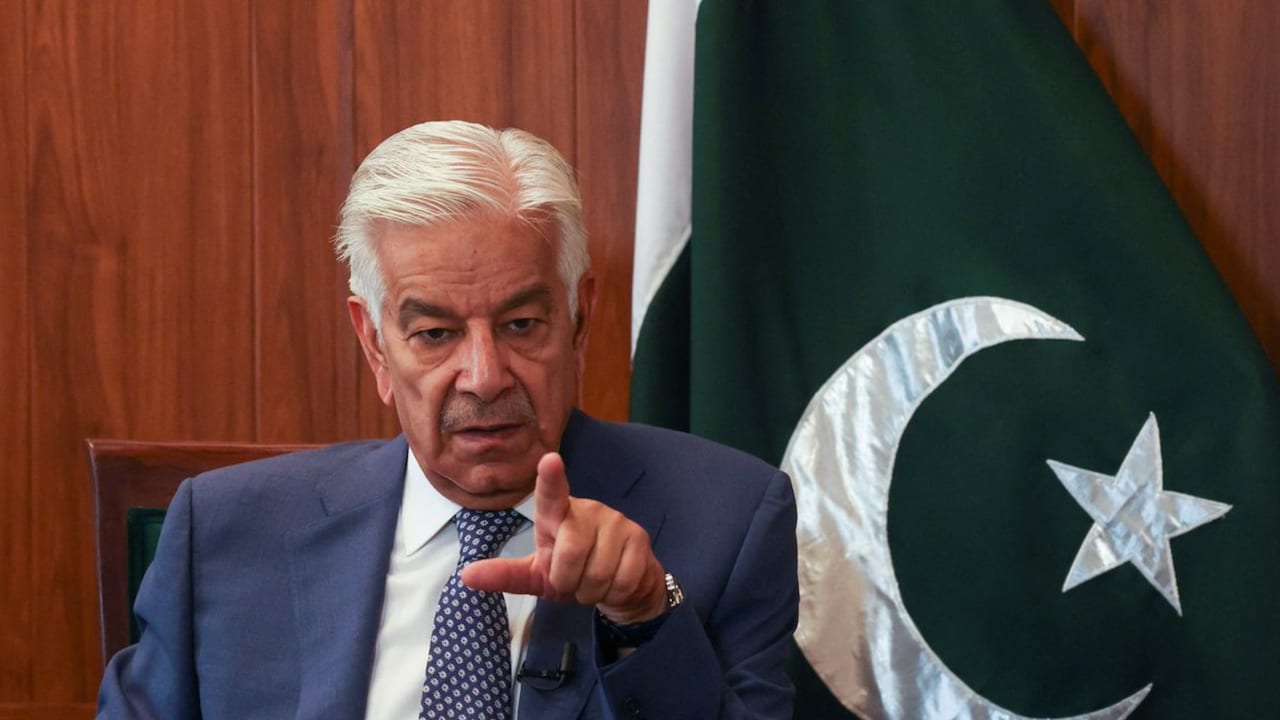
When a senior cabinet minister publicly questions whether top government officials view their own country as a permanent home or just a temporary transit lounge, you know something is deeply broken.
Pakistan Defence Minister Khawaja Asif recently ignited a massive political firestorm by calling out what he terms a widespread bureaucratic exodus. According to Asif, top-tier civil servants who enjoy the finest perks and privileges of public office are quietly laying down escape routes to Western nations—with Portugal, Canada, and the UK emerging as top choices for permanent residency.
This isn't just about administrative turnover. It’s a symptom of a much deeper crisis involving shrinking civilian authority, mounting economic anxiety, and the rapidly expanding footprint of Army Chief Field Marshal Asim Munir.
Why Senior Civil Servants Are Packing Their Bags
Let's be honest about how the system works. Pakistan’s bureaucracy has always been elite, powerful, and deeply entrenched. But over the last few years, the ground beneath these career officials has shifted dramatically.
When top administrative minds—the people who actually run the machinery of the state—start aggressively buying property abroad and securing foreign residencies while still on active government payroll, they're voting with their feet. Asif explicitly pointed out that these arrangements don't happen by accident. They are engineered deliberately over years of service.
Why are they leaving?
- Eroding Civilian Power: With the military establishment taking a more assertive role in domestic governance and economic policy, career civil servants feel sidelined.
- Economic Instability: Years of chronic inflation, currency devaluation, and financial uncertainty make a foreign passport look like the only safe insurance policy.
- Loss of Institutional Faith: When the people closest to the centers of power lose confidence in the country's long-term trajectory, they stop investing their futures there.
Asif didn't pull punches, asking a blunt question that resonates across Islamabad: Do these officials view public service to Pakistan as anything more than a temporary pit stop before jumping ship? He even alleged that financial intermediaries capitalized on this panic, collecting massive sums from bureaucrats to fast-track overseas residency papers before fleeing the country.
The Shadow of Military Dominance and Asim Munir
You cannot separate this administrative meltdown from the broader political reality in Islamabad. The civil-military balance in Pakistan has tilted heavily toward the military establishment under Army Chief Asim Munir.
Munir's influence extends far beyond traditional defense matters. From steering key foreign policy engagements—including high-profile diplomatic alignments with Washington and Gulf states—to shaping domestic stabilization strategies, the military leadership is calling the shots. Prime Minister Shehbaz Sharif’s civilian coalition operates within heavy structural constraints, leaving elected officials and civil administrators with very little room to maneuver.
Critics argue that this heavy-handed consolidation sidelines democratic institutions. When the military calls all the vital economic and governance plays, traditional civil servants are reduced to mere spectators. If you're a talented bureaucrat with international options, why stick around to take the blame for policies you didn't design and cannot change?
The Broader Fallout for Governance
The immediate fallout of this public spat is institutional paranoia. While agencies like the Establishment Division claim they lack formal documentation proving widespread dual-residency plots, the damage to public trust is already done.
When a sitting defense minister has to publicly shame his own administrative machinery for disloyalty, the cracks in the state apparatus are wide open. A country cannot stabilize its economy or deliver basic services when its highest-ranking bureaucrats treat their homeland like a temporary duty station.
Until Pakistan addresses the root causes driving its best minds overseas—rampant political volatility, economic stagnation, and the sidelining of civilian governance—the brain drain at the top will only accelerate.


