You walk into an emergency department with crushing chest pain, only to see a waiting room packed shoulder-to-shoulder with people coughing, bleeding, and staring blankly at the clock. Hours bleed into days. By the time a doctor finally calls your name, the window for effective treatment has narrowed dramatically. This isn't just an inconvenience. It's a fatal bottleneck.
Recent emergency medicine studies have laid bare a terrifying reality: severe overcrowding in accident and emergency departments is directly linked to hundreds of preventable deaths every week. When hospitals run out of beds, care breaks down entirely. Patients languish in corridors, ambulances queue outside for hours because they can't offload their patients, and critical warning signs get missed in the chaos. Discover more on a connected issue: this related article.
The Deadly Mathematics of Hospital Gridlock
Let's look past the political spin. When emergency departments swell past capacity, mortality rates climb. Researchers analyzing hospital data have consistently found a stark correlation between long emergency department wait times and rising death tolls. Every hour a patient spends stuck in a corridor waiting for an inpatient bed increases their risk of adverse outcomes.
It sounds counterintuitive until you spend time inside a busy hospital. A crowded emergency room isn't just full of people waiting; it's a system experiencing catastrophic failure. Doctors and nurses are stretched beyond human limits. They miss subtle shifts in a patient's vital signs because they're managing three times as many people as they should. Additional reporting by World Health Organization highlights comparable views on the subject.
Think about sepsis, a condition where every minute counts. If a patient with sepsis sits in a waiting room for six hours instead of getting antibiotics within the first hour, their chances of survival plummet. Multiply that across thousands of patients nationwide, and you get the staggering death toll reported by researchers. It's not bad luck. It's systemic neglect.
Why the System Keeps Breaking
Hospital overcrowding isn't an act of God. It's the predictable result of poor planning, chronic underfunding, and administrative bloat. The bottleneck rarely starts in the emergency room itself. It starts upstairs, where discharge planning is sluggish, social care is broken, and beds are locked up.
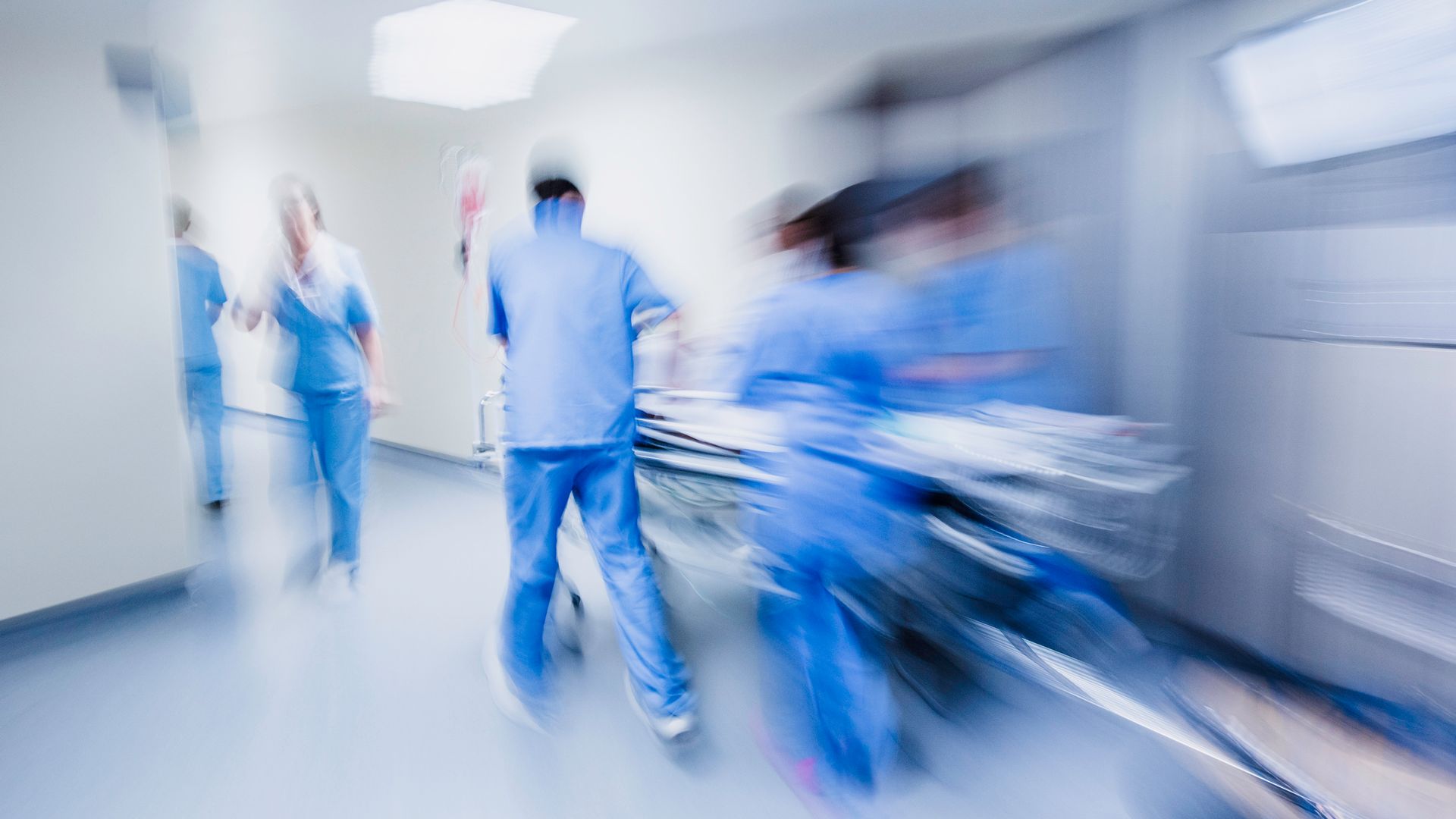
Hospitals operate at near-maximum capacity day in and day out. They run lean to save money, leaving zero margin for error. When a seasonal flu wave hits or a severe weather event happens, the system snaps. There are no spare beds. Patients admitted from the emergency department have nowhere to go, so they stay on trolleys in corridors, blocking incoming patients.
Meanwhile, primary care is collapsing. Because people can't get a timely appointment with a family doctor, they wait until minor issues become emergencies. They show up at the emergency department with conditions that could have been managed weeks earlier with a simple prescription. The emergency department becomes the healthcare safety net of last resort, and it's tearing at the seams.
The Human Toll on Healthcare Workers
We talk endlessly about patient safety, but we rarely talk about the clinicians absorbing the blow. Nurses and doctors are leaving the profession in droves, burnt out by moral injury. They go to work wanting to save lives, but instead, they spend their shifts apologizing for conditions they didn't create.
Imagine working a twelve-hour shift where you're responsible for twenty patients spread across a hallway. You're constantly triaging who is closest to dying. You miss meal breaks, you miss bathroom breaks, and you go home haunted by the things you missed. That's not medicine. That's triage in a warzone.
When experienced staff burn out and quit, hospitals rely on temporary agency workers who don't know the hospital layout or the electronic records systems. Errors happen. Communication breaks down. The quality of care deteriorates rapidly, fueling an even higher turnover rate. It's a vicious cycle that leadership refuses to fix.
What Real Reform Looks Like
Fixing emergency department overcrowding requires courage, cash, and a complete overhaul of how we view health systems. We can't build our way out of this solely by adding more emergency room chairs. Adding chairs to a waiting room doesn't solve the problem if there are no beds upstairs.
Hospitals need guaranteed surge capacity and heavily streamlined discharge processes. Social care systems must be funded so elderly patients aren't trapped in acute hospital beds for weeks waiting for a nursing home placement. If you free up the discharge pathway, emergency flow opens up instantly.
We also need to overhaul primary access. People need to see a doctor or a nurse practitioner within twenty-four hours of needing one. Keeping people healthy at home is infinitely cheaper and safer than treating them after a catastrophic decline in a packed hospital corridor.
Next time you hear about hospital wait times hitting record highs, don't write it off as winter flu pressure or statistical noise. People are dying on stretchers in hallways because the system stopped caring about human dignity. Demand better from your local healthcare providers, and support the frontline workers trying to hold a broken system together with duct tape and sheer willpower.