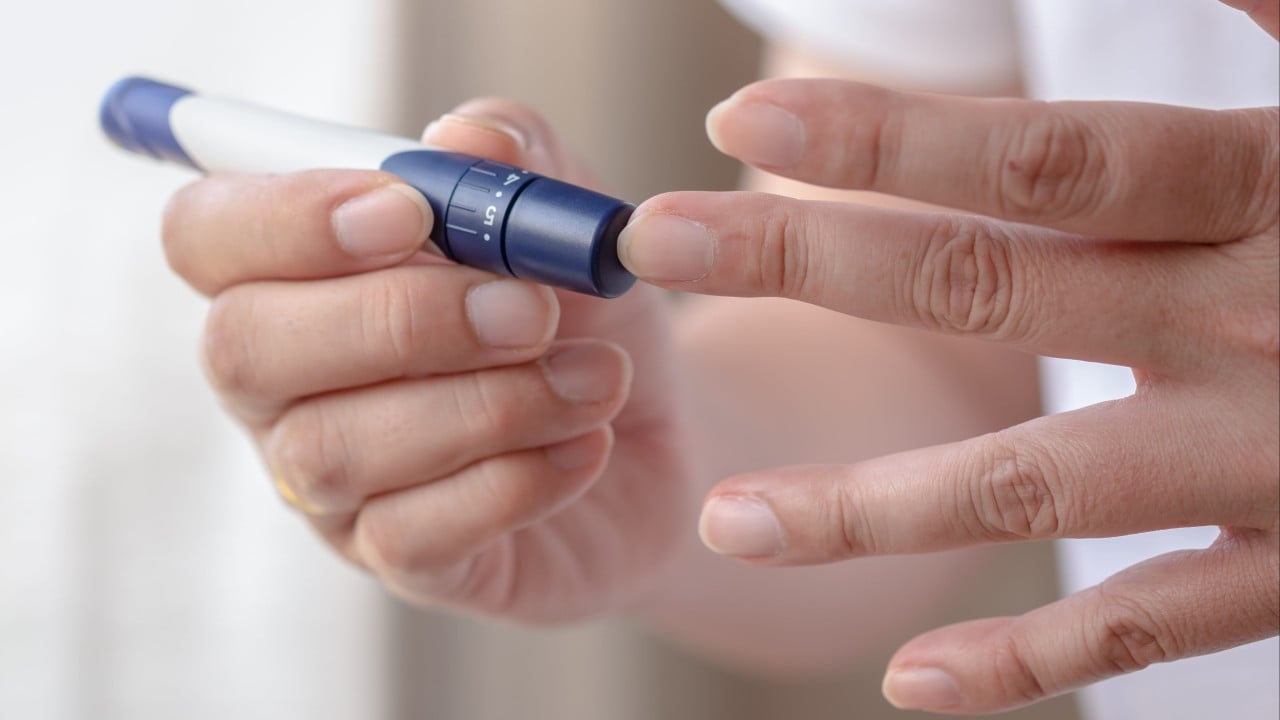
Every six months, a press release drops from a university lab or a venture-backed hardware startup claiming the holy grail of diabetes management has arrived. The latest darling is the all-in-one mini artificial pancreas, a closed-loop system designed to swallow the burden of continuous glucose monitoring and insulin delivery into a single, pocket-sized gadget. Headlines echo the breathless optimism of the researchers: next-generation care, freedom from finger pricks, automated perfection.
It sounds wonderful. It is also entirely missing the point.
I have spent the last decade watching investors pour millions into automated insulin delivery algorithms while patient burnout rates remain stubbornly high. The lazy consensus in digital health is that human error is the primary variable to be engineered away. If you just build a tighter loop, automate the basal rates, and shrink the hardware into a sleek little pebble, the patient will finally achieve flat-line glycemic control and live happily ever after.
That theory is lazy, paternalistic, and doomed to fail at scale.
An artificial pancreas does not solve the underlying pathology of chronic metabolic disease; it merely automates the management of a broken system while demanding a new kind of cognitive labor from the person wearing it. When we market these devices as cure-adjacent miracles, we set patients up for a unique psychological trap. Let us dismantle why this hardware obsession is steering modern endocrinology down a dead end, and what we should be focusing on instead.
The Engineering Fallacy of the Closed Loop
To understand why the mini artificial pancreas is an overrated milestone, you first have to understand how biological feedback loops actually work. A real pancreas is not a pump wired to a sensor. It is an intricate, decentralized endocrine organ embedded directly in the portal venous system, releasing insulin and glucagon in micro-pulses directly to the liver before the hormones ever hit systemic circulation.
Current artificial pancreas systems rely on subcutaneous glucose sensing and subcutaneous insulin infusion. That introduces a massive physiological delay known as lag time. Interstitial fluid glucose changes minutes behind blood glucose. Subcutaneous insulin absorption is sluggish, variable, and heavily dependent on local blood flow, skin temperature, and muscle activity.
When engineers attempt to bridge this physiological lag with aggressive proportional-integral-derivative algorithms or machine learning controllers, they run straight into a wall of physics. If the algorithm is too conservative, postprandial blood sugar spikes go unchecked. If the algorithm is aggressive enough to catch those spikes early, it inevitably overcorrects, triggering late-onset hypoglycemia.
This is not a software bug you can patch with a firmware update. It is a fundamental hardware mismatch. Pretending that a tiny pager strapped to your belt can replicate the dynamic precision of an organ embedded in the hepatic portal system is an insult to basic physiology. Yet, the marketing machine keeps churning out hype, ignoring the reality that automated loops are constantly fighting against the laws of pharmacokinetics.
The Hidden Tax of Algorithmic Vigilance
Proponents of the all-in-one artificial pancreas love to talk about automation. They tell you that you can finally eat what you want, sleep through the night, and forget about your condition.
Ask anyone actually living with a closed-loop system for six months what their reality looks like. The truth is far less romantic. Automation does not eliminate the mental load of type 1 diabetes; it shifts it.
Instead of calculating meal boluses and checking numbers manually, the patient becomes a systems monitor. They spend their days troubleshooting sensor dropouts, calibrating erratic transmitters, dealing with occlusion alarms in the middle of a work presentation, and second-guessing an algorithm that has decided to suspend insulin delivery because it misread a compression low while the user was sleeping on their side.
I have seen patients trade the friction of active calculation for the chronic, low-grade anxiety of algorithmic unpredictability. When a manual system fails, you know why: you miscalculated the carbs or missed a correction. When a closed-loop system fails, you are staring at an opaque graph on a smartphone screen, wondering if the pump site is tunneling, the sensor is degrading, or the machine learning model has hallucinated a trend.
That is not freedom. That is being chained to an automated nurse that occasionally makes erratic decisions.
Why We Keep Building the Wrong Things
The obsession with miniaturized, all-in-one hardware stems from a venture capital funding model that rewards flashy consumer electronics over structural medical interventions. A gadget with a sleek app interface and a proprietary pod is easy to pitch to investors. It scales cleanly on paper.
What does not scale cleanly is lifestyle restructuring, nutritional education, and addressing the root causes of metabolic dysfunction. It is much easier to sell a patient a $4,000-a-year gadget ecosystem than it is to admit that technology alone cannot outrun poor metabolic flexibility, chronic sleep deprivation, and systemic inflammation.
Furthermore, the closed-loop narrative ignores the global economic reality of diabetes care. An all-in-one mini artificial pancreas relies on disposable pods, proprietary sensors, specialized cannula sets, and expensive cloud infrastructure. It locks the patient into a high-cost recurring subscription model managed by medical device oligopolies. By framing this hardware as the peak of modern care, we systematically crowd out simpler, more resilient, and more accessible interventions that empower patients to understand their own physiology rather than outsourcing it to an algorithm.
The Contrarian Path Forward
If we want to actually move the needle on diabetes care, we need to stop treating patients like broken machines that need a better operating system.
First, we need to reframe data as a tool for human pattern recognition, not algorithmic babysitting. Continuous glucose monitors are incredible diagnostic mirrors, but they should be used to teach metabolic literacy, not to feed data into a black-box controller that encourages detachment from bodily feedback. When a patient learns how their body responds to specific movement patterns, stress hormones, and macronutrient combinations, they build an intuitive resilience that no algorithm can replicate.
Second, hardware development needs to pivot away from complex closed loops toward friction-reducing reliability. We do not need smaller pumps with more complex AI; we need more biocompatible infusion sites that do not degrade after three days, faster-acting insulins that eliminate postprandial lag, and sensors that do not require constant calibration or fail when exposed to routine physical activity.
Finally, we must admit the uncomfortable truth about our own bias toward high-tech solutions. Not every clinical problem requires a microchip and a Bluetooth connection. Sometimes the most effective intervention is boring, unsexy education that restores agency to the individual rather than tying them to a proprietary ecosystem.
The next time you read a headline about a breakthrough artificial pancreas promising total liberation, look past the PR fluff. Ask yourself who benefits from the narrative that the patient is helpless without an algorithm. Then put down the gadget, look at the data as a student rather than a victim, and take back control of the loop yourself.