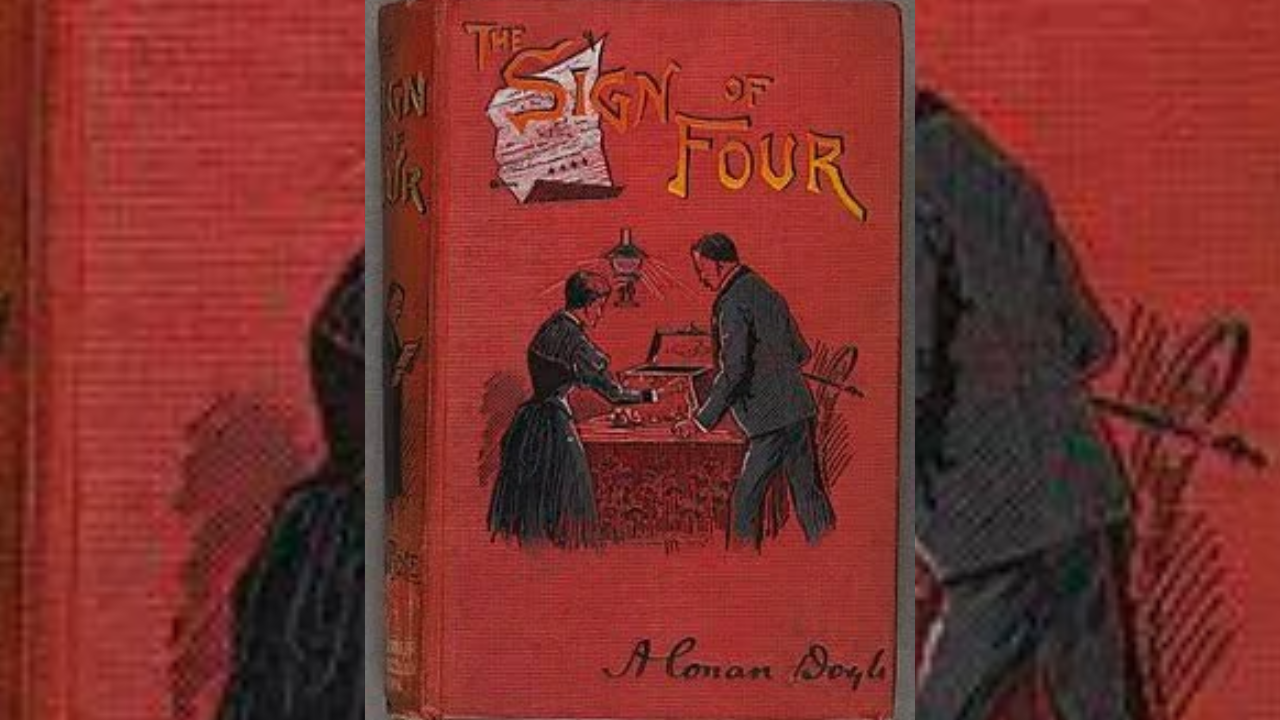
Most people walk past charity shop bookshelves without a second glance. They see dusty paperbacks, out-of-date cookbooks, and romance novels priced at fifty pence. But every once in a while, a hidden gem sits right there among the clutter, waiting for someone who knows what they're looking at. That exact scenario played out when an 1890 edition of Arthur Conan Doyle's detective stories popped up on a charity shop shelf and ended up fetching £11,520 at auction.
You might think finding a rare book is pure luck. It's not. It's about knowing details that the average person misses. Let's break down how this happens, what makes certain editions valuable, and how you can spot hidden treasures without spending a fortune.
Why This Particular Sherlock Holmes Book Mattered
Age alone doesn't make a book worth thousands of pounds. Millions of old books exist. Most are worth very little. The value comes down to specific edition markers, condition, and rarity.
The book in question wasn't just old. It was an early printing of The Sign of the Four, one of Conan Doyle's defining works featuring the famous detective and Dr. John Watson. When people talk about Sherlock Holmes, they usually think of A Study in Scarlet first. However, The Sign of the Four cemented the character's legacy in Victorian Britain after first appearing in Lippincott's Monthly Magazine in 1890.
Collectors hunt for original cloth bindings, specific publisher imprints, and clean pages. Most charity shop volunteers don't have time to appraise every single donation. They look at a book, slap a three-pound price tag on the cover, and put it on display. That human oversight creates massive gaps in the market.
The Real Economics of Thrift Shop Flipping
People love a good underdog story. Someone spends pocket change and walks away rich. Reality is a bit more grounded. If you want to find valuable books, you need to understand why prices spike at auction.
First, condition is everything. A missing dust jacket, water damage, or torn pages can slash a book's value by ninety percent. Second, first editions or scarce print runs drive competitive bidding among serious collectors. When two wealthy enthusiasts want the exact same piece of literary history for their private library, the price climbs fast.
Auction houses like Hansons, who handled the sale of this specific Holmes volume, see these finds all the time. People clear out elderly relatives' houses, dump boxes of old paperbacks at charity shops, and move on. The charity volunteers lack the time to check rare book databases. They just want floor space.
What You Should Look For on Charity Shop Shelves
If you want to try your hand at spotting valuable books, stop looking at modern bestsellers. Focus on older eras, specific genres, and publisher quirks.
- Nineteenth-Century Literature: Look for mid-to-late 1900s fiction, especially works by established Victorian or Edwardian authors.
- First Impressions: Check the copyright page. Look for phrases like "First Published" or a number line that counts down to one.
- Binding and Cover Art: Ornate cloth bindings from the Victorian era often hold more value than plain paperbacks from later decades.
- Author Signatures: Always flip to the title page. A signature or a personal inscription transforms a worthless paperback into a prized asset.
Most of the time, you'll find nothing. That is the nature of the hunt. You have to sort through hundreds of worthless items to find one standout piece.
The Bigger Picture Behind Secondhand Treasures
The market for rare books thrives because physical items carry history. You aren't just buying ink on paper. You are holding an object that survived over a hundred years of human life, changing hands multiple times before landing on a charity shop shelf in Oxfordshire or Yorkshire.
Digital readers have taken over modern fiction. E-books lack weight, smell, and character. That shift makes physical vintage books more appealing to collectors. People want tangible pieces of the past.
Next time you wander into a local charity shop, take a slower pace. Browse the bottom shelves. Check the copyright dates on the older hardcovers. You probably won't find a twelve-thousand-pound masterpiece on your first try. But the thrill comes from knowing it is entirely possible.