Time doesn't always heal everything. Sometimes it just stretches out the shock. Three years have passed since the morning of October 7, 2023, yet the collective trauma across Israel remains as sharp as a fresh wound.
If you look at the calendars today, three years sounds like enough distance to start rebuilding normalcy. But on the ground, normalcy is a myth. Entire communities along the Gaza border are still wrestling with ghost towns, empty chairs at dinner tables, and the heavy psychological weight of a security failure that shattered an entire nation's illusion of safety. If you found value in this post, you should look at: this related article.
The Long Shadow Over the Border
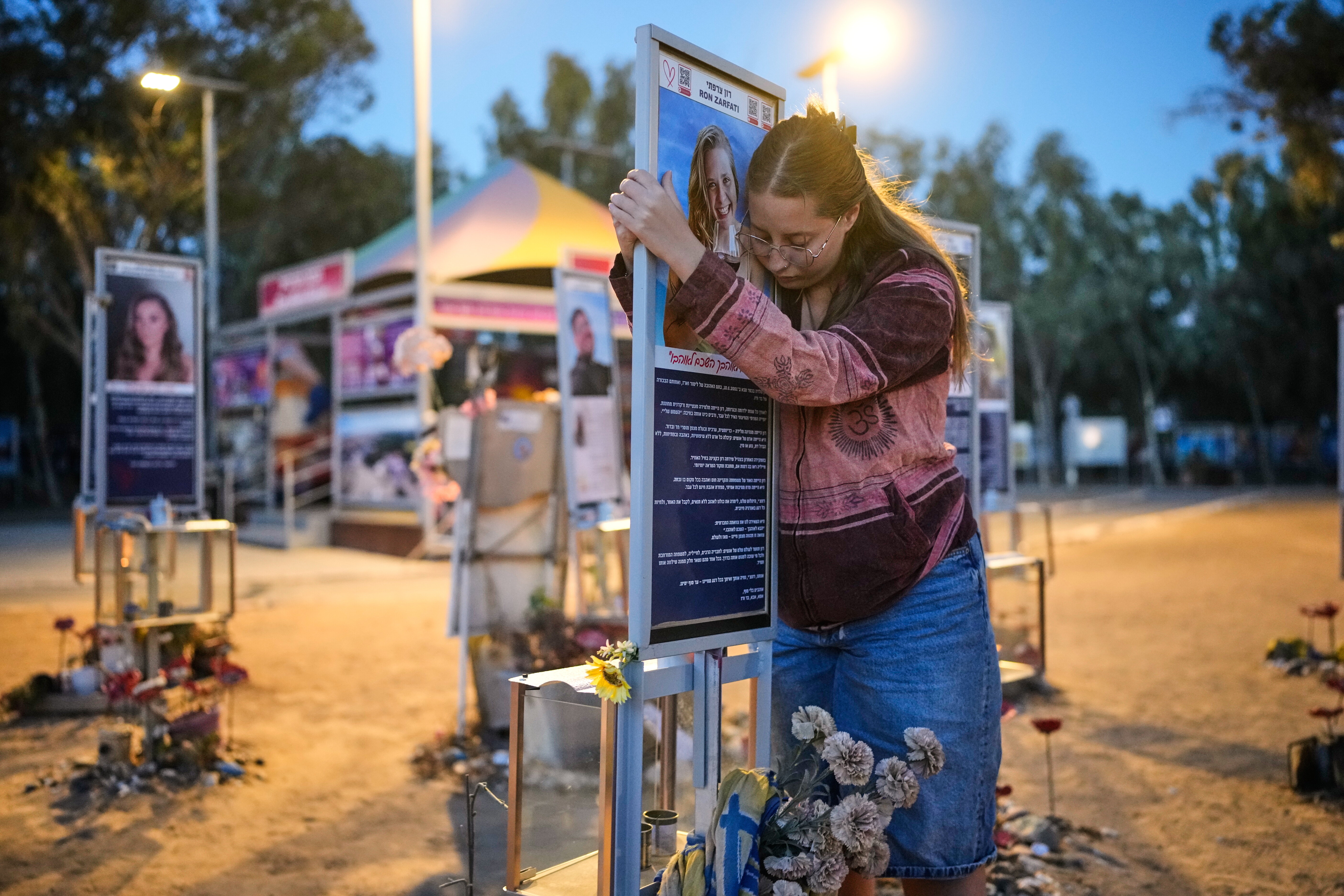
Drive down to communities like Be'eri or Kfar Aza today, and the atmosphere isn't one of quiet recovery. It's a surreal mix of reconstruction and memorial. Homes that were burned out or peppered with bullet holes stand preserved as silent testaments, while new foundations are poured just yards away.
People ask how a society moves forward from an event that touched almost every single family through a lost friend, a wounded relative, or a hostage still unaccounted for. The truth is, they don't move forward so much as they move sideways, carrying the weight with them. For another perspective on this story, see the recent update from The Washington Post.
The hostage crisis remains the bleeding heart of the national trauma. Thousands of families spent over a thousand days organizing protests, petitioning governments, and fighting a grueling psychological battle against uncertainty. Every announcement from negotiators brings a roller coaster of fragile hope followed by crushing despair. That ongoing limbo is corrosive. It prevents any real closure from taking root.
Political Fractures and Public Trust
The political landscape in Israel shifted irrevocably on that day. Trust in leadership—military and civilian alike—evaporated in a matter of hours. Three years later, accountability remains a massive flashpoint.
Citizens aren't just angry about what happened on the morning of the attack; they're exhausted by the endless political friction that followed. Protests fill the streets of Tel Aviv and Jerusalem week after week. People aren't marching just for political change. They're marching because they feel the social contract between the state and its citizens was breached in the worst way imaginable, and fixing it requires a complete overhaul of how the country views defense and leadership.
The military itself is transformed. Reservists who left their jobs, families, and lives three years ago have faced tour after tour of duty. The economic strain is immense. Small businesses run by reservists have folded. Families are stretched thin. Yet, the mobilization rate in the early days was near-total, showing a desperate instinct for self-preservation that overrode everything else.
The Global Ripple Effect
October 7 didn't stay confined to the Middle East. It detonated a shockwave across the entire globe, reshaping politics on college campuses, corporate boardrooms, and international diplomatic summits thousands of miles away.
Antisemitism spiked globally in a way many thought impossible in the twenty-first century. Jewish communities abroad found themselves suddenly on edge, forced to increase security at synagogues and schools. At the same time, pro-Palestinian activism surged, turning university quads into battlegrounds of rhetoric, polarization, and protest.
The discourse became tribal almost overnight. Nuance died a quick death. You were forced into a camp, handed a talking point, and expected to defend it to the death on social media. That polarization hasn't cooled off. If anything, it has baked itself into the cultural background noise of Western societies, changing how people talk about history, identity, and conflict.
Living in the Aftermath
What does survival look like after an earthquake of this magnitude? It looks messy. It looks like children drawing therapy art that features bomb shelters alongside birthday cakes. It looks like grandparents marching for the return of their grandchildren. It looks like an economy trying to innovate its way through a permanent state of high alert.
The third anniversary isn't a milestone of resolution. It's a checkpoint in an ongoing crisis. The scars left by that autumn morning are permanent, carved deep into the geography and the psychology of a nation that wakes up every day wondering what comes next.