Trump never owned a permanent realignment among Texas Latinos. He rented a slice of frustration in 2024, and the bill just came due.
Look at the standard pre-election framing from outlets running stories like "US midterms: Trump's gains among Latino voters in Texas at risk". That headline treats Republican gains in South Texas and across the state as a settled asset that merely faces headwinds. It assumes Latino voters are a single bloc waiting to be won or lost on a personality check.
Both assumptions are lazy. Worse, they are dead wrong about how Texas politics actually functions.
The Myth of the Permanent Realignment
After 2024, political analysts spent two years writing obituaries for Democratic dominance among Hispanic voters in Texas. Donald Trump had pushed deeper into border counties like Maverick, Cameron, and Webb, riding pocketbook anger over inflation and border strain. Cable panels treated those numbers like a geological fault line that had permanently shifted south.
Here is the flaw in that consensus: voter elasticity is not party loyalty.
A voter who backs a challenger because grocery prices jumped or their paycheck feels thinner is casting a conditional protest vote, not signing a lifetime lease. When 2026 rolled around, the coalition that looked unbreakable on paper cracked under the weight of two realities: persistent cost-of-living pain and aggressive immigration enforcement that felt personal rather than abstract. UnidosUS polling ahead of the 2026 midterms found roughly two-thirds of Texas Latino voters viewing Trump unfavorably, with large majorities disapproving of his handling of inflation, the economy, and ICE actions. Once the results hit in November 2026, the reversal in border counties—where Democrats swept statewide races with James Talarico winning the U.S. Senate seat and Gina Hinojosa taking the governor's mansion—showed just how fast a rented coalition can walk out the door.
I have watched campaigns in both parties burn millions of dollars chasing "the Latino vote" as if it were a monolithic switch you flip with a mariachi ad or a bilingual stump speech. They treat a deeply varied population—spanning multigenerational families in Laredo, young renters in Houston, small business owners in the Rio Grande Valley, and newly eligible voters aging into the rolls—as a single script.
What "At Risk" Actually Means in Texas
When pundits say a candidate's gains are "at risk," they usually mean the incumbent needs to run a slightly better media buy or sound tougher on one issue. In Texas, a sharp swing among Hispanic precincts does not just trim margins; it alters statewide math across Senate, gubernatorial, and House battlegrounds simultaneously.
Consider the mechanics of turnout versus persuasion. Persuasion gets headlines. Turnout wins elections.
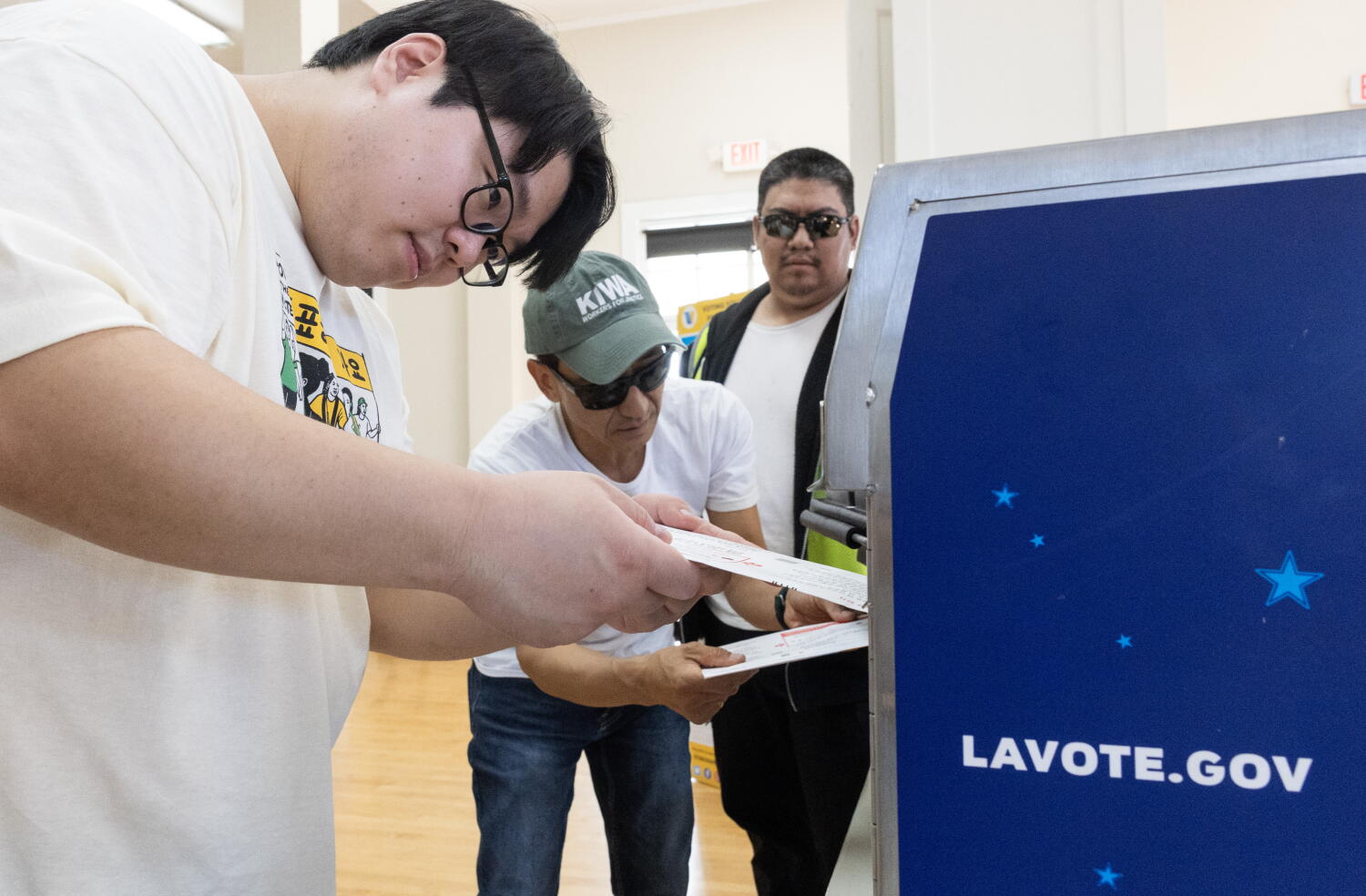
In low-turnout or polarized cycles, small shifts in who actually shows up at the ballot box dwarf slight changes in pollster crosstabs. Analysts at institutions like the UCLA Latino Policy and Politics Institute and mobilization groups such as LULAC and Somos Votantes pointed to surging participation—including hundreds of thousands of first-time Latino voters and younger cohorts—as a decisive force in 2026. When voters feel directly hit by property taxes, utility bills, or enforcement raids in their own neighborhoods, staying home stops feeling safe.
A protest vote in a presidential year is a warning flare, not a coronation.
Asking the Wrong Question About Texas Latinos
Most coverage asks: Can Republicans hold onto their 2024 Latino gains in Texas?
That question is backward. The real question is: Which material pressures force swing-leaning working-class voters in Texas to punish whichever party holds power?
Let's strip away the tribal cheering and look at what voters actually answer when pollsters stop asking identity questions and start asking survival questions:
- Cost of living beats slogans: When families say they are living paycheck to paycheck or falling behind on groceries, rent, utilities, and property taxes, party labels become secondary to immediate relief.
- Enforcement hits close to home: Border rhetoric sounds different in a national cable studio than it does in a Valley town where neighbors, coworkers, or family members worry about ICE overreach.
- Social conservatism is not a blank check: Some Latino voters hold traditional views on faith, family, or work. Holding a conservative view on one axis does not bind a voter to a party that alienates them on economic security or community safety.
"People Also Ask" — Dismantled
Did Latino voters permanently shift toward Republicans in 2024?
No. A single election cycle—even a dramatic one in border counties—proves volatility, not permanence. By 2026, exit polls and voter surveys showed a sharp snap back toward Democrats across Texas and nationally. Treating one cycle's swing as destiny is the oldest mistake in political forecasting.
Why did border counties in Texas swing so hard?
Because border communities live inside the crossfire of policy experiments. When economic frustration meets aggressive enforcement tactics, voters in places like Cameron, Webb, and Maverick counties do not react like spectators—they react like residents living with the consequences every single day.
Are Texas Latino voters becoming more conservative over time?
Demographic age structure complicates that claim. A huge share of the eligible Texas Latino electorate is young, with large numbers of newly eligible and first-time voters entering the pool. Younger voters—especially young Latinas—have often moved distinctly away from GOP candidates when economic anxiety and enforcement fears collide.
A Thought Experiment: The Two-Cycle Trap
Imagine a scenario where a political strategist assumes a 15- to 25-point swing in a border county means the local electorate has become reliably red for a decade. They cut field organizing in Spanish and English, pour money into national culture-war messaging, and treat high-propensity base voters as already locked in. Two years later, affordability stalls and local enforcement ramps up, triggering a wave of first-time and lapsed voters who have zero loyalty to either party's brand. The strategist does not lose by two points—they get wiped out because they mistook a temporary wave for bedrock.
That scenario is not hypothetical anymore. We just watched the mechanics play out in real time.
Where My Contrarian Take Can Bite Back
Honesty requires naming the blind spots in my own argument.
First, recency bias is dangerous. Just as pundits over-read 2024 as a permanent GOP breakthrough, anyone treating 2026 as an eternal Democratic lock in Texas is making the exact same error in reverse. Swingy, economically squeezed voters reward and punish incumbents ruthlessly. If costs stay stubbornly high or a new administration or legislature overreaches, today's winners can lose ground just as fast.
Second, aggregate numbers can hide local pockets. Texas is massive. A statewide or regional wave does not erase every conservative small-business owner, evangelical congregation, or rural precinct. Painting with too broad a brush—even to argue against bloc voting—can blind strategists to real local nuances.
What Actually Works on the Ground
If you run campaigns, fund advocacy, or analyze Texas elections for a living, stop treating Hispanic outreach as a seasonal side project.
- Lead with concrete kitchen-table math. Talk about grocery bills, electric bills, healthcare costs, and property taxes in plain, specific terms. Vague promises about "a strong economy" mean nothing to someone watching prices climb at the register.
- Invest in year-round relational organizing. Last-minute mailers and air-war ads cannot compete with trusted local voices, community groups, and consistent door-to-door contact across both urban metros and border towns.
- Stop lecturing voters about their own interests. When voters move between parties or stay home, listen to what squeezed them instead of blaming their "low information" or "false consciousness." Voters usually read their own household balance sheet better than consultants do.
Stop chasing headlines about who "owns" Latino voters in Texas. Nobody owns them—and the next election will prove it all over again.