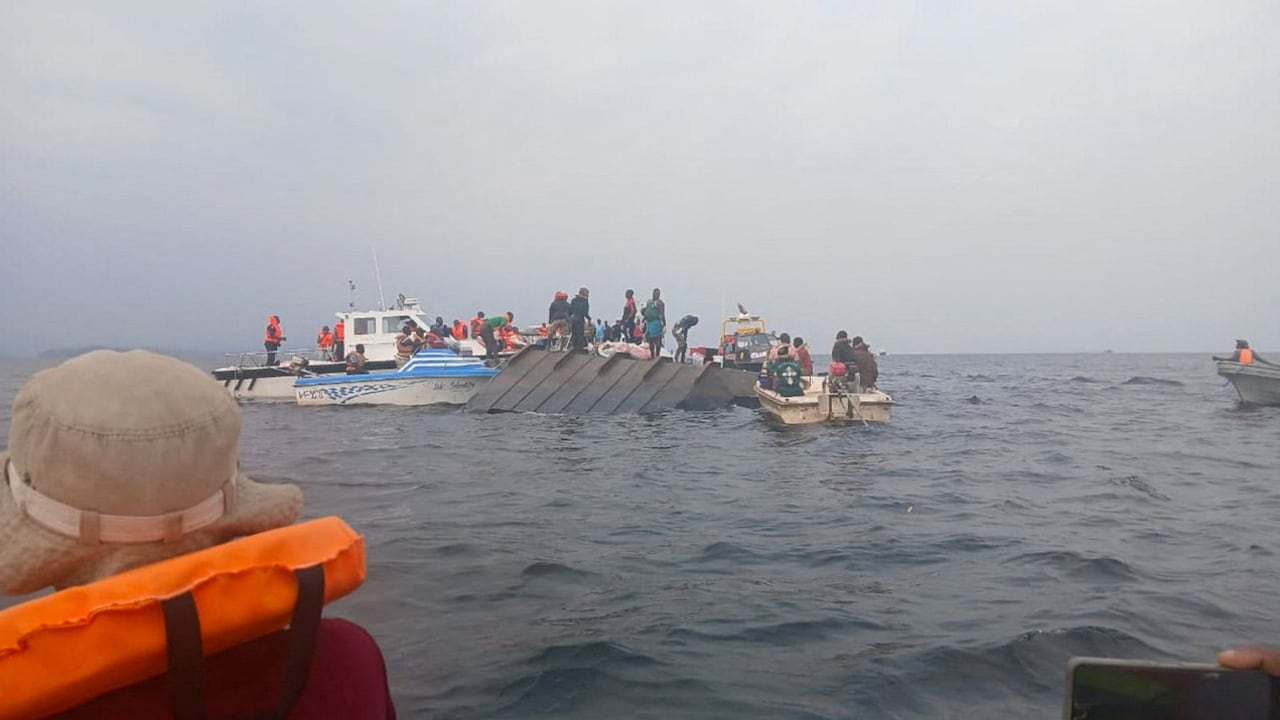
Fifty lives vanished almost instantly. A routine Thursday morning commute turned into an absolute nightmare in northwestern Nigeria's Sokoto state when an overloaded wooden vessel flipped over just moments after starting its journey.
Most of the victims weren't seasoned travelers or corporate commuters. They were young farm workers, women, and children heading out to plant and harvest rice near Gorau. Instead of reaching the fields, they met a grim fate in the murky waters near the Goronyo area. Local divers and emergency responders pulled dozens of bodies from the river, with officials confirming that around 40 of the dead were children.
The Brutal Reality Behind the Sokoto Tragedy
When disaster strikes so quickly after departure, it points to a catastrophic failure before the boat ever left the shore. Estimates of the passenger load range wildly between 57 and 80 people packed tightly onto a single wooden craft. For rural communities where roads are broken or nonexistent, water transport is the only lifeline. But that reliance comes with a terrifying cost.
Abdulkadir Yusuf from the National Inland Waterways Authority confirmed the devastating scale of the child casualties as rescue operations pushed through the murky currents. Heartbroken relatives like Samaila Garba, who lost his 13-year-old granddaughter Jamila, are left picking up the pieces. He noted that during the heavy rains of August, entire families rely on agricultural labor to survive, forcing women and children onto these dangerous vessels day after day.
Why Waterway Safety Keeps Failing
This isn't an isolated anomaly. It is part of a brutal, recurring pattern across Nigeria's vast inland river systems. Fatal capsizings spike during the rainy season, which peaks around August. Time and time again, investigations point to the exact same culprits:
- Chronic overloading to maximize meager profits
- Total disregard for basic safety regulations and life jackets
- Poor maintenance of wooden craft navigating unpredictable currents
- Lack of regulatory oversight in remote rural districts
Just months prior, similar tragedies played out in places like Yobe state and the Niger River basin. Despite repeated promises from authorities to crack down on reckless operators, enforcement remains virtually nonexistent where people need it most. Local communities are left to rely on volunteer divers rather than equipped state rescue fleets when disaster hits.
Moving Beyond Empty Promises
Fixing this crisis requires more than just mourning the dead on social media or issuing temporary bans on river transit. Local governments need to invest heavily in affordable, seaworthy public transport and mandate strict passenger limits. Until regulators hold boat operators accountable with real penalties for overloading, families in Sokoto and beyond will continue paying the ultimate price for a simple boat ride to work.