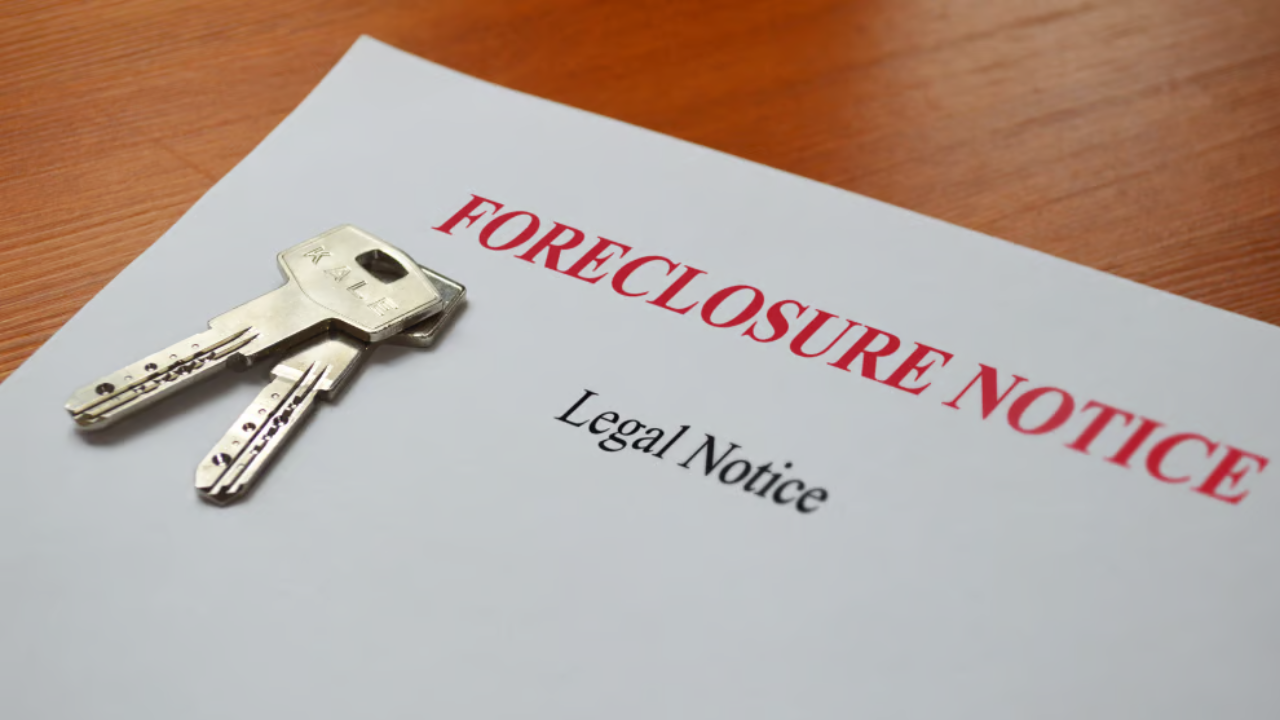
Most homeowners think falling behind on a mortgage means losing the house is inevitable. It isn't. In New York, banks and loan servicers lose foreclosure lawsuits all the time—not because the borrower paid off the debt, but because the lender dragged its feet in court.
When a New York court dismisses a foreclosure case after a lender waits three years to seek a default ruling, it isn't a fluke or a lucky break. It's the direct result of a strict state law called CPLR 3215(c). If a plaintiff fails to take proceedings for the entry of judgment within one year after a default, the court is required to dismiss the complaint as abandoned unless the lender proves it had a good reason for the delay. Waiting three years blows right past that deadline.
I've watched countless property owners panic the moment a process server hands them a summons and complaint. They freeze. They ignore the paperwork because they can't afford an attorney or don't have the cash to catch up on missed payments. Ironically, that silence sets a ticking clock that frequently trips up massive mortgage servicers.
How the One-Year Clock Works Under CPLR 3215(c)
New York Civil Practice Law and Rules Section 3215(c) is brutally simple. Once a homeowner is served with foreclosure papers, they usually have 20 or 30 days to file a formal answer, depending on how the papers were delivered. If the homeowner doesn't respond, they're officially in default.
At that exact moment, the burden shifts entirely to the bank.
Under New York law, the lender has one year from the date of that default to take steps toward getting a default judgment. In foreclosure cases, this almost always means filing a motion for an Order of Reference—the step where the court appoints a referee to calculate how much money the homeowner owes.
Wait 366 days? The bank is already in trouble. Wait three years? The case is practically dead on arrival if the homeowner or a sharp defense lawyer shows up to point out the calendar.
The rule exists to prevent stale lawsuits from clogging up New York's court system and hanging over people's heads forever. Banks can't just file a foreclosure action, let it sit in a dusty filing cabinet while interest and late fees pile up for years, and then suddenly decide to take your house half a decade later.
Why Lenders Miss This Deadline So Often
You'd think multi-billion-dollar financial institutions with armies of lawyers wouldn't miss a basic one-year filing deadline. You'd be wrong.
Foreclosure portfolios get bought, sold, and transferred between loan servicers constantly. Your mortgage might start with one bank, get packaged into a trust, move to a primary servicer, and then get dumped onto a "special servicer" once it goes into default. Every time that loan changes hands, files get lost. Attorneys get substituted. Paperwork sits untouched in digital queues for months.
Sometimes the delay happens because the bank's law firm is overwhelmed with volume. Other times, the lender can't actually prove it owns the promissory note, so its attorneys stall while scrambling to find missing assignments or lost note affidavits.
Whatever the internal excuse is, New York appellate courts—especially the First and Second Departments, which cover New York City, Long Island, and the Hudson Valley—have made it crystal clear that internal confusion doesn't count.
What Counts as a "Reasonable Excuse" for a Three-Year Delay
CPLR 3215(c) does contain an escape hatch. A court won't dismiss the foreclosure if the lender shows "sufficient cause" why the complaint shouldn't be dismissed. In practice, New York case law requires the bank to prove two things:
- It had a reasonable excuse for failing to move for default within one year.
- It has a potentially meritorious cause of action (meaning the borrower actually defaulted on a valid mortgage).
Both prongs must be met. Even if the homeowner hasn't paid a dime in five years, the case still gets thrown out if the bank's excuse for waiting three years falls flat.
Here's what lenders usually try to argue, and how judges typically react:
- Mandatory settlement conferences. Under CPLR 3408, residential foreclosure cases require court-supervised settlement conferences. While a case is actively in the settlement conference part, the one-year clock is paused. Once the court releases the case from conferences, the clock starts ticking again. If a bank waits three years after release, that excuse is worthless.
- Loss mitigation and loan modification reviews. Federal rules under the Consumer Financial Protection Bureau (CFPB) prohibit "dual tracking," meaning banks can't push forward with foreclosure while reviewing a complete loan modification application. Active loss mitigation can pause the clock—but only for the actual time the application was under review. If a review took four months and the bank sat idle for the other 32 months, judges won't buy it.
- Law office failure. Attorneys occasionally blame clerical errors, staffing shortages, or file transfers between law firms. New York appellate judges routinely reject vague claims of law office failure, especially when the delay stretches to three years.
- COVID-19 moratoriums and administrative stays. During the pandemic, foreclosure filings and motions were paused by executive orders and the COVID-19 Emergency Eviction and Foreclosure Prevention Act. Courts exclude those specific stay periods when calculating the one-year window. Outside those exact dates, the clock runs normally.
If the lender doesn't offer a legitimate excuse for the entire gap, the judge doesn't even need to look at whether the homeowner owes money. Dismissal is mandatory.
What Dismissal Actually Means for the Homeowner
Let's clear up the biggest misconception in foreclosure defense. Getting a foreclosure case dismissed under CPLR 3215(c) does not automatically mean you get a free house.
A dismissal for abandonment is almost always without prejudice. That means the court is throwing out this specific lawsuit, not erasing the underlying mortgage lien from your property title. In theory, the bank can turn around and file a brand-new foreclosure lawsuit.
Except there's a massive catch. It's called the statute of limitations and the Foreclosure Abuse Prevention Act (FAPA).
In New York, a lender has six years to foreclose once a mortgage debt is accelerated. Acceleration happens when the bank demands the entire remaining loan balance immediately—which is exactly what filing a foreclosure summons and complaint does.
Think about the timeline when a bank waits three years to seek a default ruling:
- Year 0: You default, and the bank files a foreclosure lawsuit, accelerating the entire loan.
- Year 1: The one-year deadline under CPLR 3215(c) expires.
- Year 3: The bank finally files a motion for an Order of Reference. You cross-move to dismiss for abandonment.
- Year 4 or 5: The court grants your motion and dismisses the case.
By the time the dust settles and the bank tries to start over, six years have often passed since the original acceleration.
Before late 2022, banks used a legal trick to get around this. They would voluntarily discontinue their own stalled lawsuits or claim that a dismissal "de-accelerated" the loan, resetting the six-year clock so they could sue you all over again.
Then New York passed FAPA in December 2022. That law slammed the door on unilateral de-acceleration. Under FAPA, once a lender accelerates a loan by filing a foreclosure complaint, it can't unilaterally reset the statute of limitations just by discontinuing the case. Even if a case is dismissed without prejudice under CPLR 3215(c), the clock doesn't rewind. If six years have elapsed since the first filing, any second lawsuit is time-barred. At that point, the homeowner can file a quiet title action under RPAPL 1501(4) to wipe the mortgage off the property completely.
That's why lenders fight tooth and nail against CPLR 3215(c) dismissals. They know a procedural dismissal after a three-year delay often turns into a permanent loss of their right to collect.
How Homeowners Accidentally Waive This Defense
You can have a slam-dunk CPLR 3215(c) dismissal sitting right in front of you and ruin it in five minutes if you file the wrong paperwork.
New York courts hold that a borrower waives the right to seek dismissal under CPLR 3215(c) if they take formal steps to litigate the case on the merits without raising the abandonment issue. For example, if you suddenly hire an attorney three years later and file a formal Answer to the complaint—or serve discovery demands—without moving to dismiss for the bank's delay, a judge may rule that you excused the default and put the case back on track.
Even appearing in court and signing certain stipulations can complicate things if the language isn't carefully drafted to preserve your defenses.
Another trap is waiting until after the judgment is already entered. Once a judge signs a Judgment of Foreclosure and Sale, trying to unwind it based on a prior CPLR 3215(c) delay becomes dramatically harder. You have to raise the issue before judgment is entered, typically by opposing the bank's late motion for an Order of Reference and filing a cross-motion to dismiss the complaint.
Practical Steps If Your Foreclosure Case Has Been Sitting Idle
If you're a New York homeowner with a foreclosure case that has been dragging on for years with no movement, don't wake the sleeping giant blindly—and don't ignore a sudden burst of activity from the bank's lawyers.
- Pull your exact court docket on NYSCEF. Most New York counties use the New York State Courts Electronic Filing system (NYSCEF). Look up your index number. Check the date the summons and complaint were filed, the date your affidavit of service was filed, and the exact date the court released the case from the mandatory settlement conference part.
- Calculate the gap between release and the bank's next motion. Ignore the time the case was actively in settlement conferences or paused by official COVID-19 stays. Look strictly at the dead space where the bank filed nothing. If more than 12 months passed after your default (or after conference release) without the lender moving for an Order of Reference, write down those exact dates.
- Watch the mail for a Motion for Order of Reference. When a bank finally realizes its file has been sitting untouched for three years, it will eventually serve a thick packet of papers asking the judge to appoint a referee and enter a default judgment. You only have a short window—often just a couple of weeks before the return date—to respond.
- Consult a New York foreclosure defense attorney before filing anything. Do not file a late Answer on your own. Have a lawyer who specifically handles New York appellate and foreclosure defense review the docket to see whether a CPLR 3215(c) cross-motion makes sense, and check how close the loan is to the six-year statute of limitations.
- Gather any old loan modification letters. If you applied for loss mitigation during that three-year gap, find the submission receipts and denial letters. Knowing the exact dates of those reviews lets your attorney dismantle any inflated excuse the bank tries to pitch to the judge.
Banks count on homeowners feeling intimidated by legal jargon and giving up before checking the calendar. In New York courts, time isn't just money—it's the single sharpest weapon a borrower has.