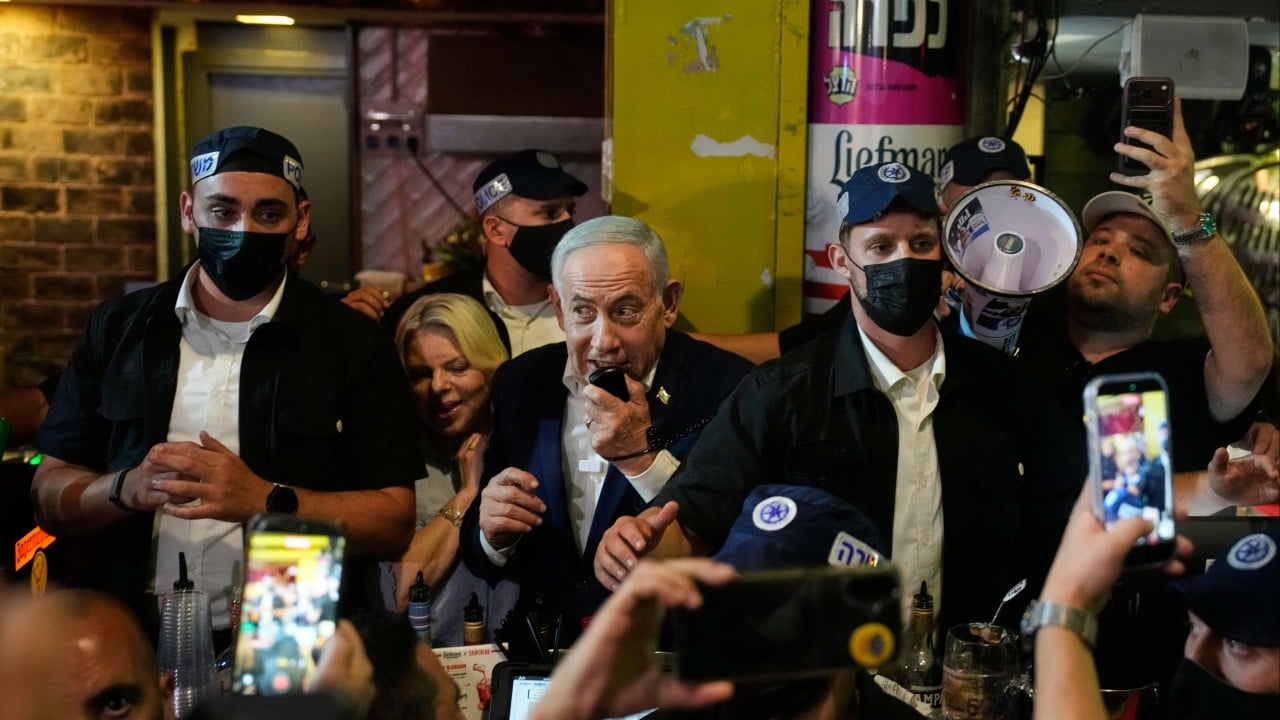
Right before Israelis head to the ballot box, Benjamin Netanyahu is playing his favorite political card again. He is leaning heavily on a public endorsement from Donald Trump while floating the idea that the two of them could restart military operations against Iran.
It is a classic election-eve maneuver. And if you have watched Israeli politics over the last decade, you already know why he is doing it.
Netanyahu wants voters to believe that only he can manage Washington, and only a partnership between him and Trump can neutralize Tehran. Whether that pitch holds up under scrutiny is a completely different story. Let's break down what is actually happening here, why this rhetoric ramps up right before a vote, and what a renewed confrontation with Iran would look like in practice.
Why Netanyahu Needs the Trump Card Right Now
Israeli elections rarely hinge on domestic tax policy or local infrastructure. They hinge on security and who the public trusts to pick up the phone when the White House calls.
For years, Netanyahu has built his entire brand around being "Mr. Security" and the one Israeli leader who can navigate American politics better than anyone else in the Knesset. By highlighting Trump's backing on the eve of the vote, he is trying to remind right-wing and undecided voters of a specific era—the years of the Abraham Accords, the U.S. embassy move to Jerusalem, and the maximum pressure campaign against Tehran.
Here is the catch. Political endorsements from Washington do not always translate cleanly into domestic votes in Tel Aviv or Haifa.
Many Israelis remember the warmth between Trump and Netanyahu, sure. They also remember that Trump's foreign policy instincts are famously transactional. Trump has repeatedly criticized endless foreign wars and has shown a willingness to cut deals with adversaries when it suits his broader agenda. Relying on the assumption that Washington will automatically greenlight—or join—a fresh campaign against Iran is a massive gamble.
The Domestic Math Behind the Rhetoric
If you look at how Israeli coalitions are built, Netanyahu does not need to win over the center-left. He just needs to keep his right-wing base from splintering and convince hesitant conservative voters not to stay home.
Talking tough on Iran does two things immediately:
- It shifts the media conversation away from domestic frustrations, economic pressures, and internal political scandals.
- It forces his political rivals into an awkward corner where criticizing his Iran posture makes them look soft on national security.
Honestly, it is a textbook political distraction, and it works often enough that he keeps going back to it.
What Restarting a War With Iran Would Actually Require
When politicians talk on the campaign trail about "restarting" military action against Iran, it sounds clean and decisive. Real military planning is neither.
Over the past couple of years, the shadow war between Israel and Iran has repeatedly spilled into direct, open exchanges of ballistic missiles, drones, and precision airstrikes. Both sides have tested each other's air defenses, and both sides have seen the limits of what airpower alone can accomplish.
If Netanyahu and a Trump administration were to seriously pursue a renewed, large-scale offensive against Iran, they would face immediate operational realities that campaign speeches conveniently ignore.
The Hard Limits of Airpower
Iran's nuclear and missile infrastructure is not sitting out in the open desert waiting to be bombed. Following decades of threats, Tehran buried its most sensitive enrichment facilities deep underground—places like Fordow, carved beneath mountains specifically to withstand conventional bunker-busting munitions.
Even with advanced stealth aircraft and precision-guided bombs, destroying deeply buried sites requires sustained, multi-week bombing campaigns and specialized heavy ordnance that only the United States military possesses in sufficient quantities. Israel's air force is extraordinarily capable, as demonstrated in past regional strikes, yet a prolonged war of attrition thousands of kilometers from its borders stretches logistics, aerial refueling, and air defense interceptors to their absolute limits.
Regional Blowback and Economic Shockwaves
A restarted war with Iran would not stay neatly contained between Tehran and Jerusalem.
Tehran still maintains a network of regional proxies, even after severe setbacks suffered by Hezbollah in Lebanon and Hamas in Gaza. Any major escalation risks triggering simultaneous rocket barrages from multiple fronts, renewed harassment of commercial shipping in the Red Sea by the Houthis, and direct threats to global oil transit through the Strait of Hormuz.
If oil prices spike globally because tankers cannot safely exit the Persian Gulf, how long does American political support for a new Middle East conflict last? Not very long. American voters have zero appetite for gas price surges driven by another overseas war, and Trump knows that better than anyone.
The Gap Between Campaign Promises and Washington Reality
There is a massive difference between a supportive social media post or a rally shout-out from Donald Trump and an actual military commitment from the Pentagon.
During his previous time in office, Trump ordered the 2020 strike that killed Islamic Revolutionary Guard Corps commander Qasem Soleimani. That proved he is willing to use sudden, decisive force. At the same time, when Iran shot down a U.S. surveillance drone in 2019, Trump famously called off a planned retaliatory strike at the last minute because he felt the projected casualty count was disproportionate.
He hates predictability. He likes leverage.
By hinting at joint military action with Netanyahu, Trump keeps Tehran guessing and forces Iranian leaders to wonder what might happen next. That ambiguity serves Trump's interests well—it costs him nothing and puts pressure on Iran without committing a single American troop or aircraft carrier.
Netanyahu, on the other hand, is trying to sell that ambiguity to Israeli voters as a guaranteed blank check. Those are two very different things.
What Voters and Observers Should Watch Next
Campaign rhetoric always peaks in the final forty-eight hours before polls open. Politicians make bold promises because they know nobody can fact-check the future before ballots are cast.
If you are trying to separate election noise from genuine strategic shifts, pay attention to what happens after the votes are counted rather than what is said at campaign rallies.
Watch three specific indicators over the coming weeks:
- Actual diplomatic backchannels. Keep an eye on whether Washington quietly sends envoys to Oman or Qatar to test Iran's willingness to negotiate new limits on its nuclear program, rather than preparing for strikes.
- Pentagon force posture. Words are cheap, while moving carrier strike groups, heavy bombers, and Patriot missile batteries into the region costs millions of dollars a day and signals real intent.
- Israeli coalition negotiations. Notice which parties Netanyahu brings into his government if he holds power—if ultranationalist ministers get key security portfolios, the risk of miscalculation with Iran shoots up dramatically regardless of what Washington wants.
Do not take election-eve saber-rattling at face value. Follow the military logistics, watch the diplomatic backchannels, and judge both leaders by where they actually move their assets once the campaign microphones are turned off.