Sound is never just sound. When a stadium fills, when the concrete groans under the weight of fifty thousand breathing bodies, the air stops being air and turns into an instrument. You feel it in your sternum before you hear it in your ears. It vibrates against the teeth. It is a primitive communion, an ancient ritual dressed up in designer hoodies and glowing wristbands.
And then there is Kanye West.
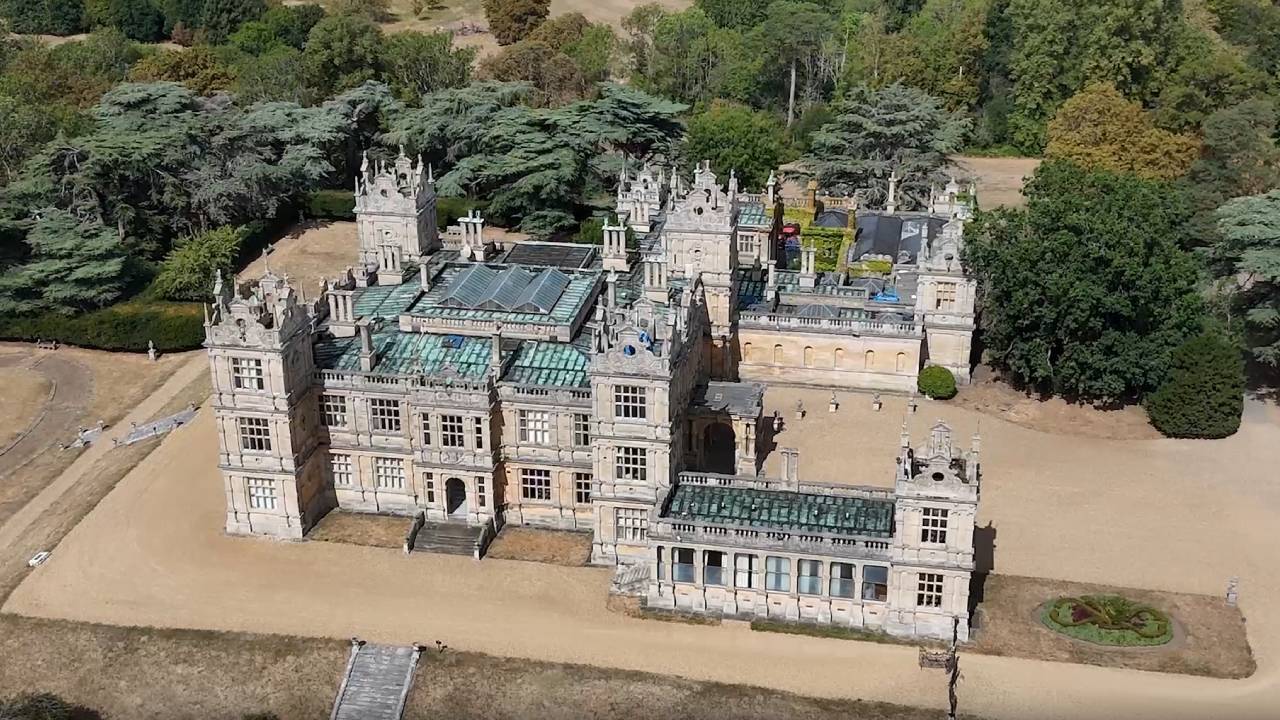
Or Ye, as he prefers to be called now, a man who treats silence like an insult and scale like a personal challenge. For months, the rumor mill had been churning out whispers that smelled of jet fuel and ambition: the rapper, producer, and cultural lightning rod was heading to St. Petersburg, Russia. Not for a quiet holiday, but for a massive, stadium-sized listening experience. Gazprom Arena, a futuristic spaceship of a venue hugging the Gulf of Finland, was supposedly locked in. Tickets were practically smelling of print. Fans across Eastern Europe were clearing their schedules, ready to empty their savings accounts for a glimpse of the spectacle.
Then the concrete started cracking. Not literally—the stadium is modern, a triumph of engineering meant to host Champions League finals and colossal concerts. But the administrative concrete? That was crumbling fast.
The Politics of Sound
To understand why a concert in St. Petersburg becomes an international chess match, you have to look past the bass drops and examine the machinery of modern bureaucracy.
Imagine sitting in a high-backed leather chair in a municipal office in Russia’s cultural capital. Outside, the white nights of summer are casting a ghostly, beautiful glow over the canals. Inside, phones are ringing off the hook. Promoters are swearing up and down that everything is fine, that the permits are stamped, that the contracts are signed in invisible ink that only the most important people can see.
Yet, local authorities blinked.
St. Petersburg stadium officials flatly denied that any contract had been finalized. They spoke in the clipped, careful language of bureaucrats who know that an event involving one of the most polarizing figures in global pop culture isn't just an evening of entertainment; it is a geopolitical lightning rod. Every movement, every lyric, every erratic public statement made by the artist carries weight. When an American superstar lands in a Russian metropolis during a time of profound global tension, nobody in charge wants to be the person who signed the clearance form if things go sideways.
The public narrative fractured instantly. On one side stood the believers—those desperate teenagers and young adults in Moscow and St. Petersburg who feel culturally isolated from the rest of the world. For them, a major international artist touching down on Russian soil isn't politics. It's oxygen. It’s a reminder that the world outside still exists, that they haven't been entirely erased from the global map of pop culture.
On the other side sat the reality check.
When Ambition Outruns Reality
I remember standing outside a sold-out venue years ago, watching the hopefuls press their faces against glass doors long after the box office had shuttered. There is a specific kind of heartbreak that comes from watching a dream evaporate because someone higher up a corporate or political ladder decided the risk outweighed the reward.
Ye’s career has become a masterclass in high-stakes brinkmanship. He doesn't just hold concerts; he launches spectacles that teeter on the edge of chaos. Remember the listening parties for Donda inside packed football stadiums? Those events felt less like traditional pop concerts and more like performance art mixed with a revival meeting. The air was thick with smoke, silhouettes moved against stark architectural backdrops, and the music functioned as a heartbeat for an audience suspended in collective anxiety.
Bringing that exact aesthetic to St. Petersburg was always going to be a logistical tightrope walk. Stadium management in Russia moves with a heavy, deliberate pace. They look at risk assessments the way a bomb disposal expert looks at colored wires. Will the equipment clear customs? Will the crowd control hold if tens of thousands surge toward the gates? How do we handle the international media optics?
As the disputes spilled into public view, the official statements became a masterclass in diplomatic side-stepping. Promoters insisted talks were ongoing. Stadium reps insisted no ink had touched paper. And the fans? They were left in the suffocating space between hope and cancellation.
The Human Core of the Spectacle
Why do we care? Why does a disputed concert venue thousands of miles away capture the global imagination?
Because it exposes the fragile bridges left standing in a fractured world. Culture has always been the contraband that slips past the guards. Long before streaming apps and open borders, teenagers traded bootleg cassettes across borders like spies exchanging microfilm. Today, the hunger for connection remains identical, even if the delivery system has changed.
When a fan in St. Petersburg buys a hypothetical ticket to see Kanye West, they aren’t just buying three hours of booming sub-bass. They are buying proximity to a myth. They are buying a fleeting moment where their city is the center of the cultural universe.
When that ticket dissolves into a dispute over venue contracts and administrative hesitation, the loss is personal. It feels like an eviction from the global conversation.
The stadium dispute in St. Petersburg isn't ultimately about dates, capacities, or rider requirements. It is a collision between unstoppable creative ego and immovable institutional caution. It is what happens when an artist who views the entire planet as his canvas runs headfirst into the cold, gray walls of local geopolitics.
The lights at Gazprom Arena remain dimmed for now. The Neva River continues its slow, indifferent flow toward the sea. And somewhere, in a studio filled with smoke and unfinished tracks, an artist is likely plotting the next impossible move, entirely unbothered by the administrative friction left in his wake.