The headlines are shouting about "limbo." They claim the world is perched on a knife’s edge, waiting for a spark to ignite a global catastrophe that will send oil to $200 and trigger World War III. This narrative is a comfortable lie. It suggests that the current state of conflict between Iran, its proxies, and the West is a pause—a temporary glitch before a binary outcome of total peace or total war.
It isn't a glitch. It is the new operating system.
What mainstream analysts mistake for "limbo" is actually a sophisticated, high-stakes equilibrium. Both Tehran and Washington have realized that total war is a losing game, but total peace is politically impossible. Instead, we have entered the era of the Permanent Friction Economy. This is not a prelude to chaos; it is a calculated, brutal form of stability that benefits the very players you think are "stuck."
The Global Chaos Scare Is a Marketing Tactic
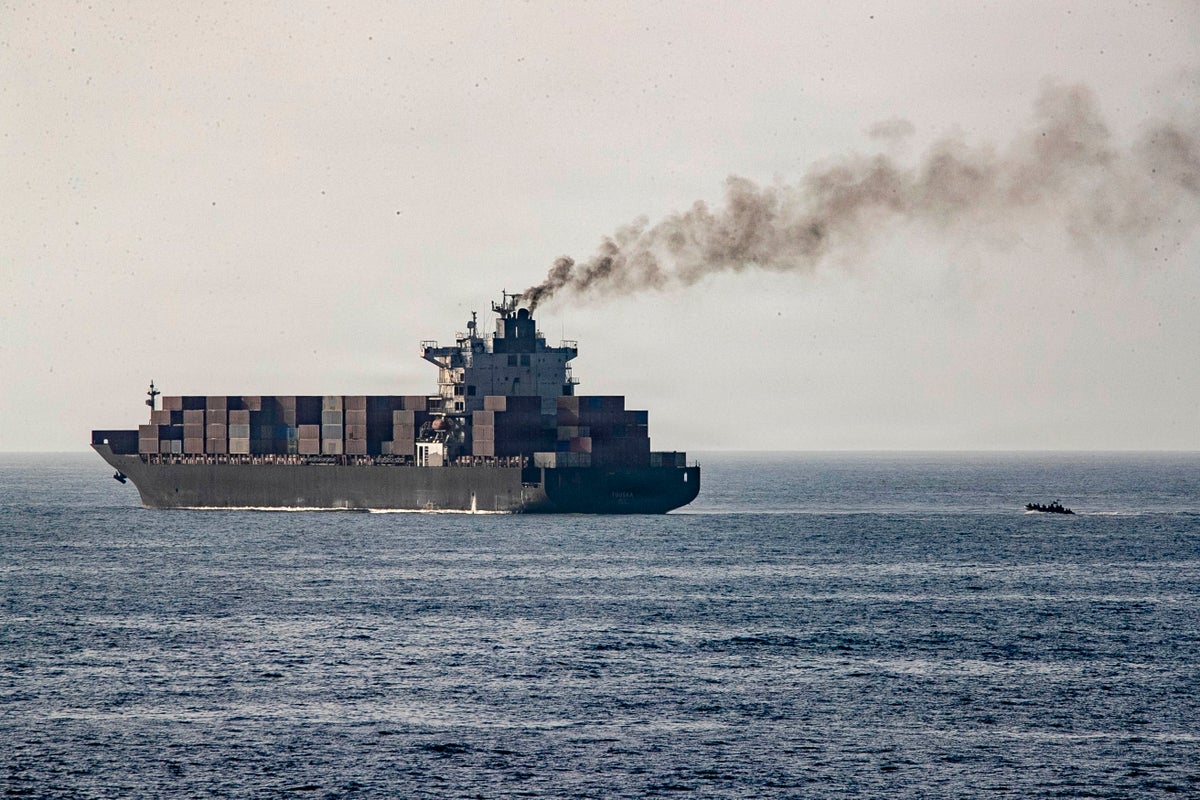
Every time a drone hits a tanker or a proxy fires a rocket, the "limbo" crowd starts hyperventilating about a global supply chain collapse. They act as if the Strait of Hormuz is a fragile glass tube that will shatter at any moment.
History says otherwise. Markets have built a "conflict premium" into their DNA. During the "Tanker War" of the 1980s, despite hundreds of vessels being attacked, global oil supplies remained remarkably resilient. Today, the world is even less dependent on a single chokepoint. Between the expansion of the East-West Pipeline in Saudi Arabia and the surge in American shale production, the "energy apocalypse" narrative is outdated.
The talk of "chaos" serves two groups: defense contractors looking for budget hikes and commodity traders looking for volatility. If you are waiting for a definitive resolution to "end the limbo," you are the mark. The friction is the product.
Why Tehran Isn't Actually "Waiting"
The competitor's view suggests Iran is paralyzed by indecision. That is a fundamental misunderstanding of Persian strategic depth.
Tehran isn't waiting; it’s winning by not losing. For a regime under heavy sanctions, "limbo" is a victory. It allows them to maintain domestic control through the specter of an external enemy while slowly expanding their nuclear "breakout" capacity. Every day the situation remains in this supposed stalemate, the Iranian technical threshold moves closer to a point of no return.
By keeping the conflict at a low boil—just enough to stay in the news but not enough to trigger a full-scale invasion—Iran maintains its regional leverage without the cost of a direct kinetic war. This isn't indecision. It’s a masterclass in asymmetric endurance.
The Proxy Fallacy
The mainstream press loves to paint Iranian proxies like the Houthis or Hezbollah as mindless "puppets" that Iran can switch on or off. This is a dangerous oversimplification. These groups have their own local agendas, their own internal politics, and their own survival instincts.
When the Houthis strike a ship in the Red Sea, it isn't always because a phone rang in Tehran. Often, it’s because the Houthis need to bolster their legitimacy at home. The West’s obsession with finding a "central command" to negotiate with is a fool’s errand. You aren't dealing with a monolith; you're dealing with a franchise model where the franchisees have a lot of autonomy.
The Washington Blind Spot: Deterrence Is Dead
American foreign policy is currently obsessed with "restoring deterrence." This is a ghost of 20th-century thinking. You cannot deter an adversary who perceives your "red lines" as suggestions.
In the current landscape, every time the U.S. launches a "proportionate" retaliatory strike, it actually reinforces the equilibrium. It signals to Iran exactly what the price of admission is. If the price of hitting a base is losing a few empty warehouses, Iran will pay that price every day of the week.
True deterrence requires a willingness to be unpredictable. But the modern political environment demands "de-escalation" above all else. When your primary goal is to avoid a wider war at any cost, you hand the steering wheel to the person who is willing to risk one. Iran knows the West is risk-averse. They aren't in limbo; they are in the driver's seat.
The Hidden Winners of the "Limbo" Phase
If this situation were truly chaotic, everyone would be losing money. They aren't.
- Regional Arms Dealers: Business has never been better. The "threat" from Iran justifies billions in hardware sales to the Gulf states.
- The Energy Transition: High volatility in fossil fuel routes is the best advertisement for renewables and nuclear power. Every rocket fired in the Middle East is an indirect subsidy for solar farms in Europe.
- The Shadow Fleet: Sanctions have created a massive, off-the-books shipping industry. Thousands of people are getting very rich moving "forbidden" oil under the radar. These people don't want a resolution. They want the status quo.
The $100 Oil Mirage
The most common "limbo" fear is that a spark will send oil prices to the moon. This ignores the reality of global demand destruction. If oil hits $120, the global economy slows down, demand drops, and prices collapse. The producers know this.
Even Saudi Arabia and Russia—nations that benefit from higher prices—don't want the total economic meltdown that a full-scale Iran war would trigger. They want "tense peace." They want the price at $85 with a $5 "worry" premium, not $150 with a global recession.
The Nuclear Threshold Is the Only Metric That Matters
While everyone is distracted by the "limbo" of regional skirmishes, the real game is being played in the centrifuges.
The Western media treats the Iranian nuclear program like a countdown clock in an action movie. It’s not. It’s a dimmer switch. Iran is slowly turning up the brightness, testing how much light the world can stand before it blinks.
The "chaos" everyone fears is already here—it’s just quiet. It’s a world where a major regional power can sit on the verge of nuclear capability while the rest of the world argues over whether a drone strike constitutes an "escalation."
Stop Asking "When Will It End?"
The question "How do we get out of this limbo?" is the wrong question. It assumes there is a "normal" to return to. There isn't.
The current state of affairs—intermittent strikes, cyber warfare, shipping disruptions, and nuclear posturing—is the new normal. It is a persistent, managed conflict that avoids the catastrophic costs of total war while reaping the political benefits of perpetual enmity.
If you are a business leader, an investor, or a policymaker, you need to stop planning for the "aftermath" of this conflict. You need to learn to thrive in the middle of it. This isn't a transition phase. This is the destination.
Actionable Reality for the Skeptic
- Assume Volatility as a Constant: Stop treating Red Sea disruptions as "black swan" events. They are now fundamental components of global logistics. Build your supply chains around them.
- Ignore the "Escalation" Rhetoric: Ninety percent of what you hear from both Tehran and D.C. is for domestic consumption. Watch the shipping lanes and the enrichment percentages; ignore the speeches.
- Bet on Endurance, Not Resolution: The regimes involved are more stable than the headlines suggest. They have survived worse. They aren't going to collapse, and they aren't going to shake hands.
The world isn't facing chaos because of a "limbo" phase. The world is facing a new, disciplined form of disorder that is perfectly designed to keep the current players in power. The only person suffering from "limbo" is the person waiting for the old world to come back.
It’s not coming back.
The friction is here to stay. Adapt or get crushed by the "stability" you’re so afraid of.