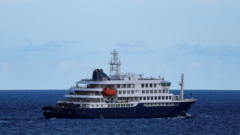
The World Health Organization just declared the deadly hantavirus outbreak aboard the MV Hondius cruise ship officially over. The last high-risk contact finished quarantine, tested negative, and went home. No new cases popped up since May 25. Everyone is breathing a sigh of relief, but hitting the panic-off switch too fast is a mistake.
This wasn't your typical run-of-the-mill cruise ship norovirus cluster. It was an unprecedented multi-country crisis involving the Andes virus, a specific strain of hantavirus that breaks the rules of how we expect this pathogen to behave.
If you think this was just a fluke event on a remote vacation vessel, you're missing the bigger picture of how travel and rare pathogens collide.
The Floating Biohazard Zone
The MV Hondius left Ushuaia, Argentina, on April 1, bound for the remote, icy landscapes of Antarctica and the South Atlantic. It carried 114 passengers and 61 crew members looking for an extreme adventure. Instead, they got trapped in a floating isolation ward.
The trouble started silently. The working hypothesis is that the initial patient caught the virus on land in South America before boarding. By April 6, that passenger had a fever and diarrhea. By April 11, he died of severe respiratory failure right there on the ship.
Then the virus did something terrifying. It started spreading from person to person.
Most hantaviruses require you to breathe in dust contaminated with wild rodent droppings or urine. You don't catch it from the guy sitting next to you. But the Andes virus strain is the nasty exception to the rule. It spreads through prolonged close physical contact, shared spaces, and respiratory secretions.
As the ship sailed through Saint Helena, Ascension Island, Cape Verde, and eventually Tenerife, the virus traveled with it. People began deteriorating. The wife of the first victim disembarked in Saint Helena, flew toward South Africa, and died in a Johannesburg emergency room. A second on-board fatality followed.
By the time the MV Hondius docked for deep cleaning in Rotterdam, the final toll hit 13 cases—11 confirmed, two probable—and three deaths. That is a staggering 23% case fatality rate.
The Logistics of Tracking 650 People Across 32 Countries
When a deadly pathogen with a 42-day incubation and monitoring window hits a cruise ship, tracking the fallout is a nightmare. Passengers disembarked at various ports. Some flew home before public health agencies even realized what was happening.
The CDC ended up flying 18 exposed Americans straight to the National Quarantine Unit at the University of Nebraska Medical Center for a mandatory 42-day watch. Luckily, none of them developed the disease. But health authorities across 32 different countries had to scramble to trace over 650 separate contacts.
Spain stepped up in a massive way, managing a chaotic disembarkation and repatriation effort in Tenerife. The international cooperation worked, but it showed just how thin the line is between a contained outbreak and a global nightmare.
What Most People Get Wrong About Hantavirus Risk
The biggest misconception right now is that cruise ships are inherently dangerous hotbeds for rare hemorrhagic and respiratory viruses. They aren't. The risk to the average traveler remains incredibly low.
The real lesson here isn't about ship hygiene. It's about pre-travel exposure.
The original patient likely encountered infected long-tailed pygmy rice rats or their nesting areas while trekking in rural Argentina before ever setting foot on the dock in Ushuaia. If you are traveling to regions where the Andes virus is endemic, you need to worry about your land excursions, not the ship cabin.
The standard medical playbook failed early on here because hantavirus looks like a lot of other things at first. It starts with a basic fever, headache, and stomach issues. Doctors naturally think of food poisoning or standard flu. But with the Andes strain, that mild illness rapidly escalates into hantavirus pulmonary syndrome, filling the lungs with fluid and causing acute respiratory distress and shock within days.
The Next Critical Steps for Travelers and Operators
Now that the WHO declared the outbreak over, the cruise industry cannot just go back to business as usual. The global health body is already coordinating a massive study involving 21 countries to figure out exactly how this specific outbreak developed. We need better diagnostics and faster point-of-care testing on vessels.
If you plan on taking an expedition cruise to South America, Antarctica, or rural wilderness areas, you need to change how you prepare:
- Screen your land tours: Avoid entering abandoned rural buildings, dusty barns, or clearing brush in endemic hantavirus regions right before a cruise.
- Demand transparency: Ask your tour operators about their medical evacuation protocols. The MV Hondius required complex coordination across the Atlantic to get sick people to ICUs.
- Know the early signs: If you develop a sudden fever and gastrointestinal issues after spending time in rural South America, tell a ship doctor immediately. Do not wait for respiratory distress to kick in.
The MV Hondius is clean and back in service. The quarantine doors are unlocked. But the reality of a changing world means rare, localized pathogens are no longer staying local. They can buy a cruise ticket just like anyone else.