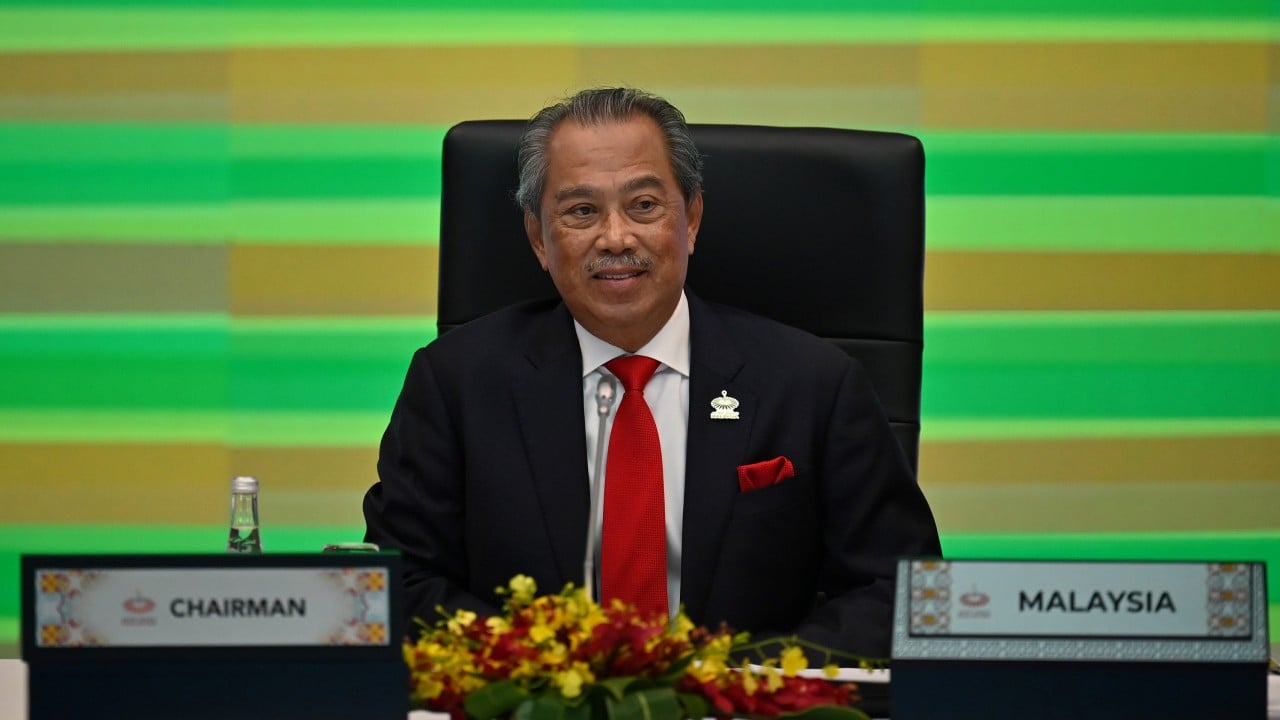
Malaysian politics loves a plot twist, and Muhyiddin Yassin throwing his weight behind Prime Minister Anwar Ibrahim’s budget feels like a massive one. At least on the surface.
For years, these two men have been locked in a bitter struggle for the soul of Putrajaya, trading jabs over everything from economic mismanagement to political legitimacy. Now, suddenly, the Perikatan Nasional (PN) chairman and Bersatu president is nodding along to Anwar’s fiscal blueprint. Naturally, the rumor mill in Kuala Lumpur went into overdrive. Political pundits and coffee-shop analysts immediately started asking the same question. Are Anwar and Muhyiddin quietly laying the groundwork for an electoral pact ahead of the next general election?
Hold your horses. If you've watched Malaysian politics closely since the Sheraton Move in 2020, you know that parliamentary votes rarely tell the whole story. Backing a budget isn't a marriage proposal. Often, it's just cold, hard survival.
The Real Reason Behind Muhyiddin’s Budget Vote
Let’s cut through the noise first. Why did Muhyiddin, a man who has spent the last few years trying to topple Anwar’s Unity Government, decide to support the spending plan?
It comes down to political optics and self-preservation. Opposing a national budget in Malaysia is a risky move when the bill contains massive cash handouts, civil servant pay raises, and subsidies aimed directly at the Malay heartland—Muhyiddin’s core voter base. If Bersatu and PAS lawmakers had voted against the supply bill, Anwar’s coalition would have had an absolute field day on TikTok and in rural ceramahs. They would have painted Perikatan Nasional as the opposition that tried to block money from reaching struggling families.
Muhyiddin isn't naive. He knows that blocking popular fiscal measures is political suicide.
Then there's the constitutional reality. Under Malaysia’s Westminster-style parliamentary system, defeating a budget is effectively a vote of no confidence. Right now, Anwar commands a comfortable two-thirds majority in the Dewan Rakyat, backed by Pakatan Harapan, Barisan Nasional, Gabungan Parti Sarawak (GPS), and Gabungan Rakyat Sabah (GRS). Muhyiddin doesn't have the numbers to bring down the government. Fighting a losing battle on the floor of Parliament only makes the opposition look weak and fractured.
By backing the budget—or at least letting it pass without a fierce blockade—Muhyiddin buys himself breathing room. He avoids looking anti-people while keeping his powder dry for battles he can actually win.
Could Anwar and Muhyiddin Actually Form an Election Pact?
This is the million-ringgit question. On paper, an alliance between Anwar’s Pakatan Harapan and Muhyiddin’s Bersatu sounds completely absurd. You’re talking about two leaders with deep personal baggage and fundamentally different bases of support.
Yet, in Malaysia, yesterday's sworn enemy is routinely tomorrow's coalition partner. Look at Anwar and UMNO president Ahmad Zahid Hamidi. Nobody thought those two would ever share a cabinet table after the 2022 general election, yet here we are. Look at Mahathir Mohamad and Anwar in 2018.
Still, an Anwar-Muhyiddin electoral partnership faces massive roadblocks that make it far less likely than the rumors suggest.
The UMNO Problem
Anwar’s current government relies heavily on Barisan Nasional, led by UMNO. And if there's one party Muhyiddin and Bersatu want to wipe off the electoral map, it's UMNO. Bersatu was literally formed as a splinter party to replace UMNO as the dominant voice for Malay nationalism.
If Anwar even hints at cutting a seat-sharing deal with Muhyiddin for the next general election, UMNO would revolt overnight. Ahmad Zahid Hamidi knows that bringing Bersatu into the fold means cannibalizing UMNO’s traditional rural seats. Anwar wouldn't trade a loyal, sitting coalition partner for an unpredictable rival who spent years trying to unseat him.
The PAS Factor
You can't talk about Muhyiddin without talking about the Malaysian Islamic Party (PAS). Inside Perikatan Nasional, PAS holds the real grassroots machinery and the bulk of the parliamentary seats. They won 43 seats in 2022, dwarfing Bersatu’s haul.
Muhyiddin can't make a major strategic pivot toward Anwar without PAS’s blessing—or without completely destroying his own coalition. And PAS has zero incentive to team up with Anwar. Their entire political brand is built on opposing Pakatan Harapan, particularly the Democratic Action Party (DAP). For PAS, staying in opposition and chipping away at Malay-majority seats is a winning strategy. Why would they share power with Anwar when they believe they can win outright next time?
Legal Shadows Over Bersatu
We also have to look at the elephant in the room. Muhyiddin and several senior Bersatu figures have faced high-profile court battles and corruption probes since Anwar took office, including charges linked to the Jana Wibawa pandemic stimulus program. While Muhyiddin has consistently maintained his innocence and called the charges politically motivated, the legal pressure is real.
Skeptics argue that Muhyiddin’s softer tone on the budget is a calculated move to lower the political temperature while his legal battles play out. That makes sense. Playing nice in Parliament costs him nothing, whereas escalating hostilities with the Prime Minister’s Office carries heavy risks.
What Most Observers Miss About Malaysian Coalition Politics
When foreign media and casual observers look at Kuala Lumpur, they often misread tactical truces as strategic alliances. They see a handshake or a budget vote and immediately jump to "election partner."
That’s a mistake. Malaysian politics operates on transactional short-termism.
Think back to the 2020 Memorandum of Understanding (MoU) signed between then-Prime Minister Ismail Sabri Yaakob and Anwar’s Pakatan Harapan. Back then, PH agreed not to block the budget or trigger no-confidence votes in exchange for institutional reforms and equal constituency funding. Did they become election partners? Not at all. They went straight back to tearing each other apart the moment Parliament was dissolved.
That’s the exact playbook we’re watching unfold now, just with the roles reversed.
Muhyiddin also has his own internal headaches to worry about. Bersatu hasn't been a picture of unity lately. Six of its own MPs previously broke ranks to pledge support for Anwar in exchange for constituency development funds, sparking a messy legal battle over anti-hopping laws and by-elections. Muhyiddin has been working overtime just to keep his remaining lawmakers in line and prevent further defections. Picking a needless fight over a popular budget would only strain his party’s internal cohesion even further.
What This Means for Anwar Ibrahim
For Anwar, Muhyiddin’s backing is a clear win, even if it doesn't lead to an election deal.
Passing a budget smoothly projects stability. Foreign investors, credit rating agencies, and multinational corporations watching Malaysia care deeply about whether the government can survive until the end of its term. After cycling through three prime ministers between 2020 and 2022, Malaysia desperately needed boring, predictable parliamentary sessions.
When the leader of the opposition backs your fiscal plan, it sends a message to markets that your grip on power is secure. It neutralizes opposition talking points about economic incompetence and gives Anwar space to focus on subsidy rationalization, foreign direct investment, and infrastructure projects without constantly looking over his shoulder for a parliamentary ambush.
Anwar doesn't need Muhyiddin as an election partner. He just needs Muhyiddin to stay out of the way while the Unity Government finishes its term.
How to Read the Next Moves in Putrajaya
If you want to know whether a real political realignment is actually happening in Malaysia, ignore the polite speeches during budget debates. Watch the concrete actions instead.
Pay attention to seat negotiations in state elections—like the Sabah state polls—where national coalitions test out new partnerships before taking them federal. Watch how constituency development funds are distributed to opposition MPs, because money is always the clearest indicator of backroom deals in Putrajaya. Most importantly, keep an eye on the relationship between Muhyiddin and PAS leadership; if cracks start showing between Bersatu and PAS, that’s when Muhyiddin might seriously go looking for new friends. Until then, treat this budget truce for what it really is—a temporary ceasefire in a long political war.


