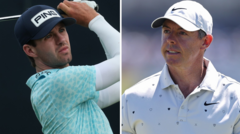
Alex Smalley leads the field, but the shadow of golf’s elite is looming large. If you fell asleep during the early rounds of the US PGA Championship, you missed the prelude. Saturday was the real show. Moving day isn't just a catchy broadcasting phrase. It's a psychological meat grinder.
We saw Alex Smalley refuse to blink under immense pressure. We also watched Rory McIlroy, Jon Rahm, Justin Rose, and Aaron Rai mount furious charges that turned the leaderboard into an absolute logjam. When the pressure ratchets up on a major championship Saturday, technique matters less than mental toughness. Building on this topic, you can find more in: The Rain on Stamford Bridge and the Ghost of What Comes Next.
Golf fans want to know if an unexpected leader can hold off a pack of major champions. The answer lies in how these players managed the course strategy, the changing winds, and their own nerves.
Alex Smalley Proves He Belongs on the Big Stage
Most casual fans didn't have Smalley on their weekend radar. He shook off the doubters by carding a brilliant round that kept him at the top. It wasn't flashy. It was surgical. Observers at ESPN have shared their thoughts on this matter.
Smalley excelled in hitting micro-targets on the greens. Instead of firing directly at dangerous Sunday pins, he consistently chose the fat sides of the putting surfaces. This left him with manageable uphill birdie putts or stress-free pars.
Staying ahead of guys who have won multiple majors requires a rare kind of emotional discipline. Smalley kept his head down, ignored the roaring galleries following the bigger names, and stuck to his yardage book. He avoided the catastrophic double-bogey that usually derails first-time major leaders on Saturday afternoon.
The Resurgence of the Chasing Pack
Behind the leader, a fierce storm was brewing all afternoon. Four distinct storylines emerged from the chasing pack, each posing a unique threat to the top of the leaderboard.
Rory McIlroy Finds His Rhythm
McIlroy looked different. The tentative swings from Thursday and Friday disappeared. He started driving the ball with the aggressive freedom that defines his best golf. When McIlroy finds the fairway with his driver, he plays a different game than everyone else. He picked up significant strokes on the field off the tee, setting up short iron approaches that put immense pressure on the rest of the field.
Jon Rahm Bludgeons the Course
Rahm doesn't just play golf courses. He bullies them. His moving day surge relied on pure power and an incredibly hot putter. He holed three putts from outside twenty feet on the back nine alone. Rahm thrives in chaotic, high-pressure environments, and his body language showed he wants this trophy badly.
Justin Rose Relies on Veteran Savvy
Rose provided a clinic in course management. He didn't have his best driving day, frequently missing the short grass. He scrambled like a demon. His short game saved him countless times, proving that experience matters immensely when major championship setups get brutal.
Aaron Rai Stays Ice Cold
Rai remains the quietest assassin in professional golf. Wearing his trademark two gloves, he went about his business with zero fuss. He hit green after green, slowly wearing down the course with metronomic consistency. He doesn't beat himself, which makes him incredibly dangerous.
The Strategic Mistakes That Ruin a Moving Day Charge
You can't win the tournament on Saturday, but you can certainly lose it. We saw several players in the top ten fall out of contention because they violated the golden rules of major championship golf.
The biggest mistake was chasing pins out of position. When a player missed the fairway, the smart play was to hack the ball back into play and accept a bogey at worst. Instead, a few contenders tried heroic recovery shots through dense trees or deep rough. The resulting double and triple bogeys completely erased two days of hard work.
Another mental error was letting the pace of play dictate emotion. Moving day rounds are notoriously slow. Players spent a lot of time waiting on tee boxes. McIlroy and Rahm handled the delays by staying loose and chatting with their caddies. Others visibly paced, let their frustration boil over, and immediately hit poor shots because they lost their rhythm.
How to Read the Leaderboard Ahead of Sunday
To figure out who actually has the edge for the final round, ignore the raw scores for a moment. Look at the specific metrics that translate to Sunday success under the highest pressure.
- Strokes Gained Approach: The player hitting their iron shots closest to the hole will have the easiest time handling Sunday nerves. Chipping under intense pressure is brutal.
- Driving Accuracy: If the wind kicks up, playing from the rough becomes a death sentence for your scorecard.
- Bogey Avoidance: Sunday at a major is about limiting mistakes, not making eight birdies. The steadier player always has the advantage.
Watch the opening three holes closely. The leader needs a calm, par-par-par start to settle the stomach. If the chasing pack senses early blood in the water, the leaderboard will flip before the final group even reaches the turn. Keep your eyes on the ball speed off the tee. When players get nervous, their hip turn slows down, leading to nasty blocks and hooks. The player who maintains their normal, aggressive swing tempo through the first hour of play will likely be the one lifting the trophy. Use these metrics as your viewing guide, track the live stats, and enjoy the chaos.


