Imagine walking through the exact halls where you once worried about final exams, teenage crushes, and locker combinations, only to unpack your retirement boxes there six decades later. It sounds like fiction. Yet
Why Walking Back Through the Doors of Your Old School Hits Different As a Senior
lifestyle
Buildings don't forget. They hold onto the echoes of slamming lockers, the smell of floor wax, and the specific kind of teenage dread that only a high school hallway can produce. But what happens when those hallways trade teenagers for retirees?
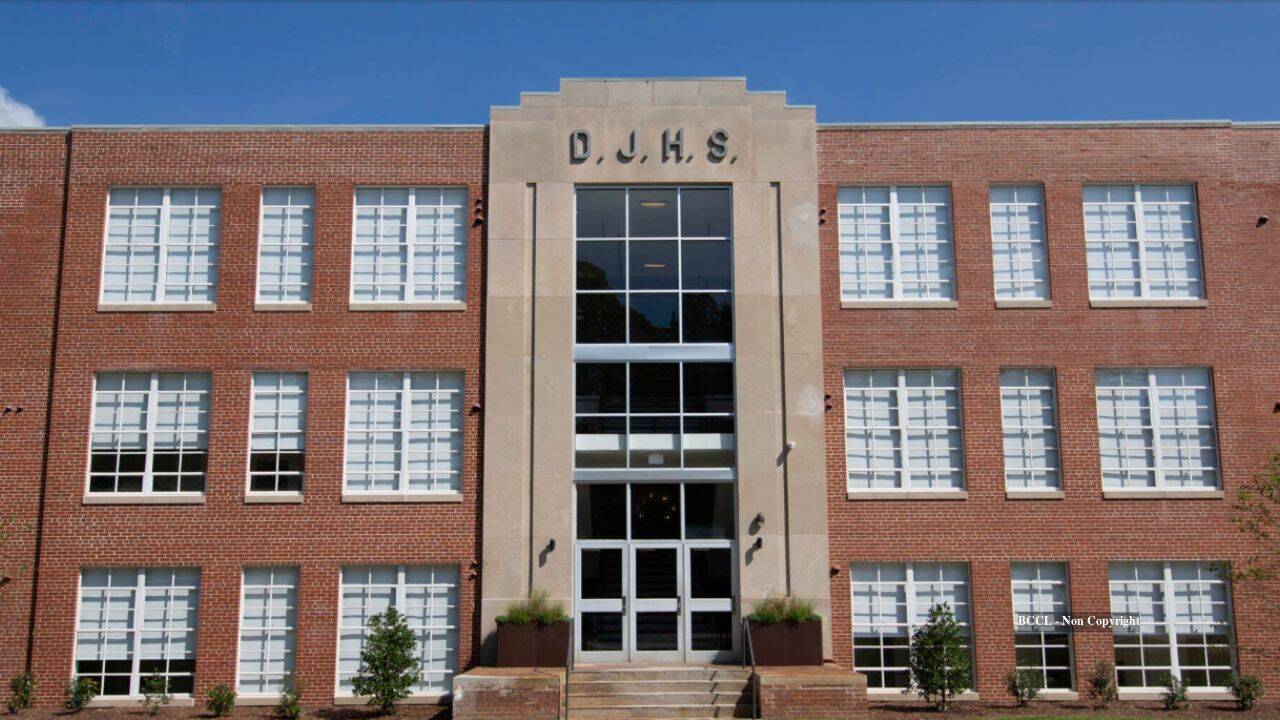
Across America, empty classrooms are getting a second life. Instead of being torn down, aging educational facilities are transforming into affordable senior housing. It solves a massive community problem while preserving local history. For one woman in North Carolina, this shift meant stepping back into her former high school nearly six decades after graduation, not as a student rushing to homeroom, but as a resident making a home.
You rarely get to physically revisit the exact setting of your formative years. Most of us have to settle for fuzzy mental snapshots and old yearbooks. When a school transforms into a living facility, the past stops being a distant country. It's right there in the architecture.
The Architectural Ghost Town of Empty Classrooms
Communities are facing a brutal reality check. Enrollment shifts and budget cuts leave behind massive, sturdy brick buildings that cost millions to replace. Tearing them down is expensive. Leaving them vacant invites decay.
Adaptive reuse is the practical fix. Developers strip out the chalkboards and lockers, but they keep the bones. High ceilings, wide corridors, and oversized windows built in the mid-twentieth century actually make fantastic layouts for apartments. Seniors get spacious living areas with character you simply cannot replicate in modern cookie-cutter construction.
Think about the sheer scale of a high school. It’s designed to handle hundreds of active people daily. When you scale that down into residential units, you end up with massive common areas. The old gymnasium or auditorium often becomes a community room where residents gather for coffee or bingo. The cafeteria transforms into a social hall. You aren't just renting an apartment; you're moving into a built-in community center.
Walking Down Memory Lane With a Walker
Stepping back into a place where you experienced your most awkward years is bound to stir up intense emotions. Imagine walking down the same corridor where you flunked algebra, only now your apartment door sits right where locker 412 used to be.
For alumni who return to live in these converted spaces, the psychological trip is surreal. Muscle memory kicks in instantly. You remember which floorboards creak. You remember where the cool kids hung out by the water fountain.
Nostalgia is a powerful drug, but it comes with a twist. The classrooms of the 1960s were cramped, loud, and poorly ventilated by modern standards. Modern developers have to gut the interiors to meet current building and safety codes. You get the historical facade paired with central air conditioning and walk-in showers. It is the best of both worlds, provided you don't mind the occasional flashback to a pop quiz you didn't study for.
Why Adaptive Reuse Wins Over New Construction
Building senior housing from scratch is painfully expensive. Zoning fights drag on for years. Material costs fluctuate wildly. Converting an existing school building bypasses a lot of those headaches.
The infrastructure is already there. Water lines, electrical grids, and robust road access already service the site. More importantly, these schools are usually right in the heart of established neighborhoods. Seniors don't want to live in sterile, isolated developments on the far edge of town. They want to stay close to the grocery stores, pharmacies, and churches they've relied on for decades.
Adaptive reuse keeps downtowns vibrant. It stops urban sprawl and keeps tax bases stable. When a derelict building gets a new lease on life, the surrounding property values usually follow. It is a win for the city council, a win for the developer, and a massive win for seniors who are tired of suburban isolation.
Finding Affordable Options in Aging Neighborhoods
The biggest crisis in elder care right now isn't medical. It's financial. Most fixed-income retirees cannot keep up with soaring rent prices.
School conversions often tap into federal historic tax credits and low-income housing tax credits. This financial wizardry allows developers to offer rents well below market rate. Seniors who might otherwise face housing insecurity get a safe, clean, and surprisingly stylish place to live.
If you are looking at housing options for yourself or an aging parent, keep an eye out for these unique historic conversions. They offer a sense of place that generic apartment complexes lack. They have character. They have outdoor courtyards where the old football field used to be.
Change is messy, and watching your old alma mater morph into something completely different can feel jarring at first glance. But seeing those brick walls filled with life again beats watching them crumble into dust.
Take a look at your local municipal planning board meetings if you want to see what's happening to old properties in your area. You might be surprised at how many historic buildings are quietly waiting for their second act.