The rain in Conakry does not merely fall. It arrives with the weight of an ocean dropped from the sky, a relentless drumbeat pounding against the corrugated tin roofs of the Gbessia commune. At two in the morning, the world belongs to the storm. For most, it is a time of restless sleep, the air thick with the scent of wet earth and urban smoke. But at the edge of the Dar Es Salam dump, the city's gargantuan open-air waste site, a different kind of midnight motion was unfolding.
Decades of discarded consumer goods, organic rot, and industrial slurry had piled into a towering, unstable cliff of refuse. It was a mountain built entirely of what civilization wanted to forget. And on this particular night, liquefied by torrential downpours, that mountain decided to move.
Consider what happens next: millions of tons of dead weight give way without a sound of warning, sliding down into the dark like an avalanche of synthetic mud. It did not take hours. It took seconds. The wall of debris swept outward, swallowing the fragile tents and makeshift shacks nestled against its base. These were not abstract structures; they were homes built by people who lived in the margins of a mineral-rich nation, caught between the promise of underground wealth and the harsh reality of urban survival.
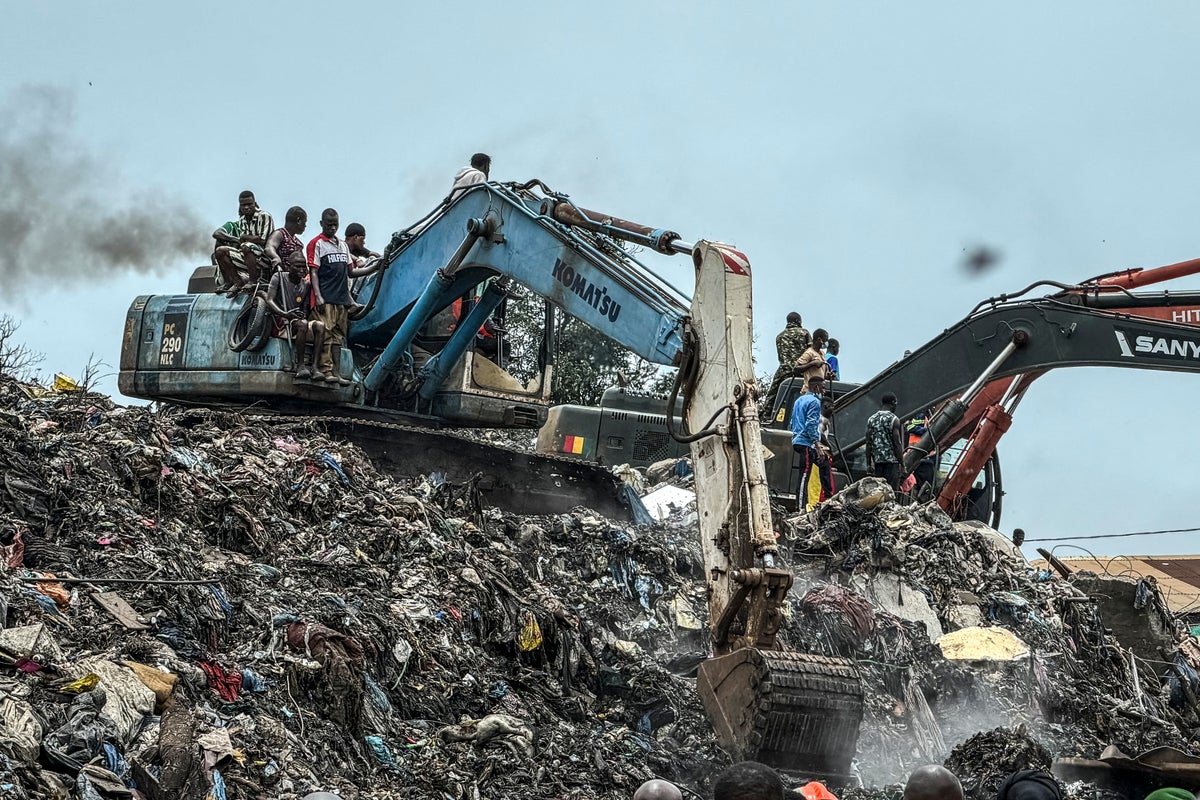
When the morning light finally cut through the heavy gray haze, the scale of the disaster became painfully clear. Thirty lives were extinguished before dawn. Six people were pulled from the wreckage with injuries severe enough to rewrite their futures, while dozens more sustained lighter wounds. Heavy excavators arrived, their mechanical arms clawing through plastic bags and ruined furniture in a frantic search for survivors. Among the crowd stood voices that pierced the noise of the rescue machinery. One mother, Cire Diallo, faced the cameras with a quiet devastation that required no translation, whispering of a loss that left her with nothing.
The tragedy carries a bitter irony that stings sharper than the debris. Just days prior, the government had officially announced that this very dump was slated for closure. Eviction notices had fluttered through the neighborhood, urging families to pack up and leave the shadow of the toxic slopes. But poverty has a way of anchoring people to danger. When survival is a daily negotiation, a hazardous plot of land is often the only one available. The scheduled closure was meant to herald a safer era, arriving like a promise just one day too late.
Behind the numbers lies a deeper paradox. Guinea sits atop some of the richest earth on the planet, boasting massive global reserves of bauxite and glittering deposits of iron ore, gold, and diamonds. Yet, wealth in the ground does not automatically translate to safety on the surface. International reports note that nearly half the population navigates life below the national poverty line, leading to the rapid, unplanned urban expansion that pushes vulnerable communities directly into the paths of environmental hazards. When rapid rainy seasons collide with densely crowded, underdeveloped city sectors, the result is an annual cycle of floods and landslides that target the most defenseless.
Emergency crews continued their grim work as the afternoon sun beat down on the ruined slope. Prime Minister Amadou Oury Bah walked the perimeter, witnessing firsthand the wreckage where an apartment building and dozens of precarious dwellings had stood only hours before. Officials promised medical care for the wounded and relocation assistance for the displaced families who survived the night. Yet, promises offer cold comfort to a community standing in the ruins of their lives.
The mountain at Dar Es Salam is quiet now, its raw core exposed to the open air. But the questions it leaves behind will not be cleared away by excavators. As the rescue lights flicker out against the approaching dusk, the broken earth remains a stark reminder of the true cost of neglected infrastructure, waiting to see if tomorrow will demand a different kind of reckoning.