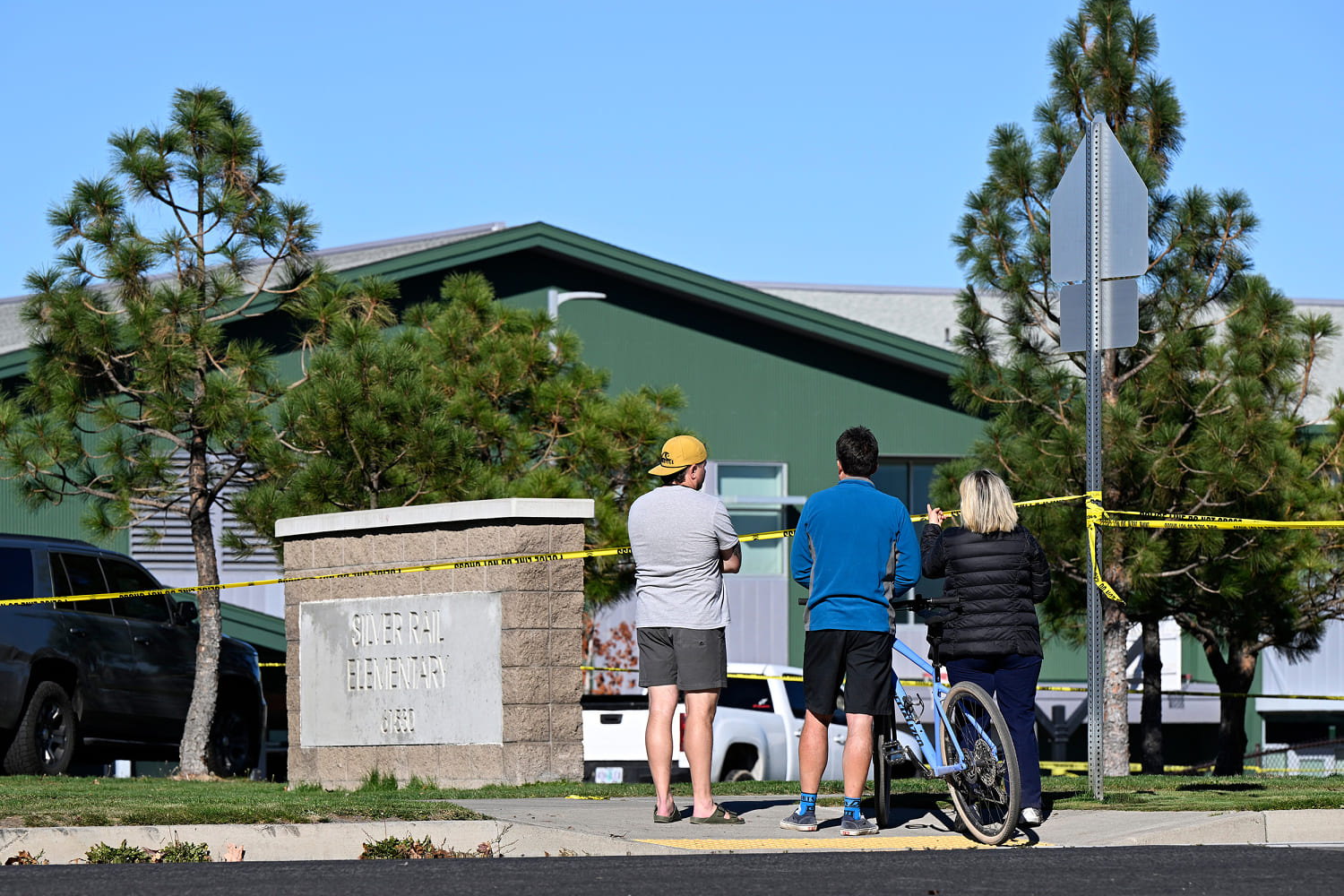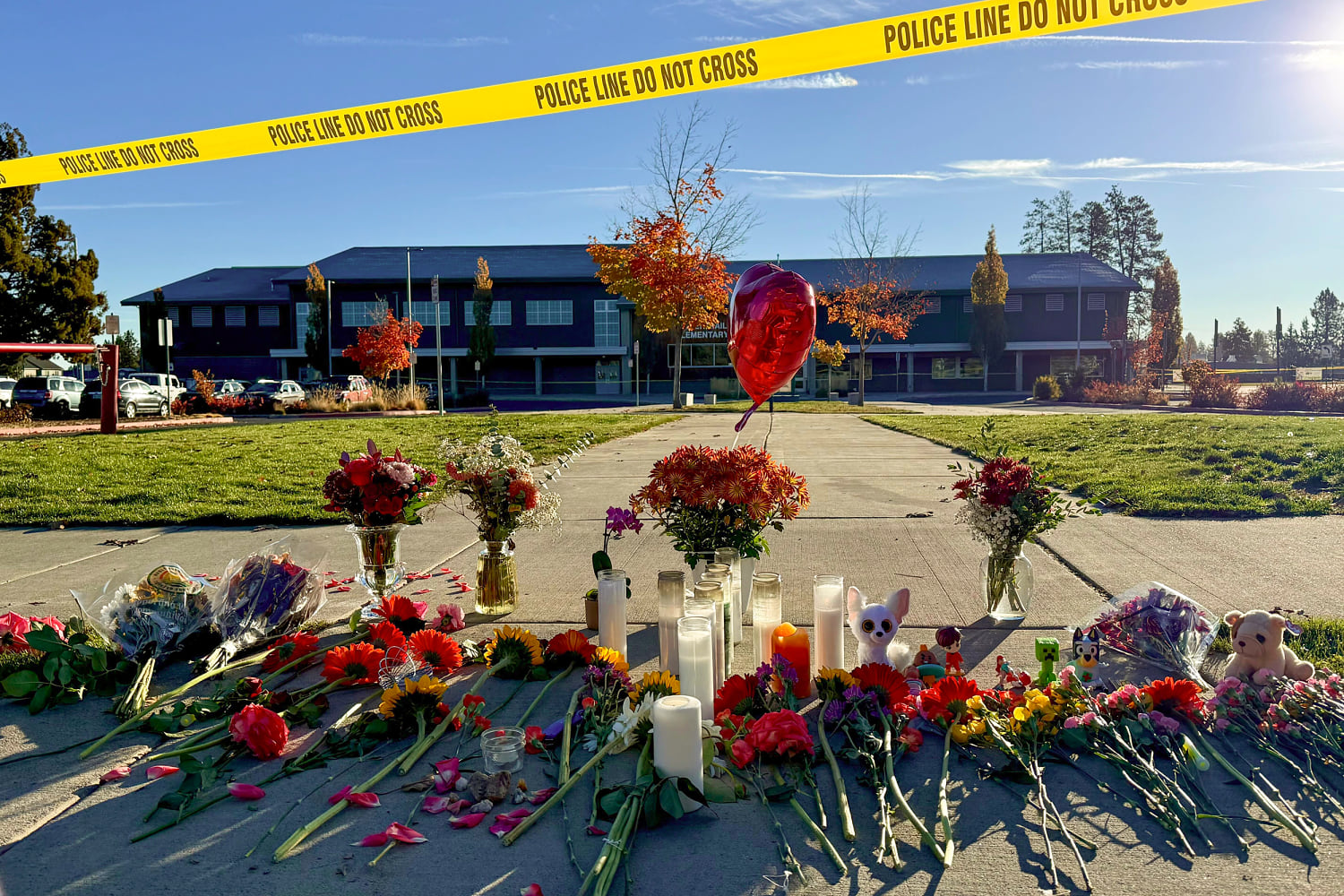
When law enforcement sources point to a 16-year-old suspect and say his mother bought the firearm used in an Oregon school shooting, the story immediately shifts from a single crime scene to a chain of custody and household decisions. Investigators look at how a minor gained access to a weapon that federal law bars him from buying on his own. Journalists and analysts have to look past the breaking news alert and examine the legal boundaries, family dynamics, and enforcement gaps that turn a legal purchase into a school tragedy.
No URL was provided for the reference report, and no specific case details, dates, or names are verified in this analysis. Treating the headline as an analytical starting point rather than a confirmed dossier prevents speculation from hardening into fact. What matters in reporting on a school shooter and a parent's firearm purchase is how investigators trace the gun, how state and federal rules treat minors and parents, and how accountability gets argued in court and in communities. Also making waves lately: Inside Whitehall's Quietest Storm Over Family Loyalties and National Security.
Tracing the Gun From Counter to Campus
Every firearm investigation starts with paper and metal. ATF agents and local detectives trace a recovered weapon through its serial number, moving backward from the licensed dealer to the manufacturer or importer and forward to the first retail buyer. When sources indicate a mother bought the gun used by a 16-year-old, that trace establishes an early link between a legal transaction and an unlawful outcome.
A legal purchase by an adult does not automatically prove a crime at the moment of sale. Under federal law, adults who meet eligibility requirements can buy firearms from licensed dealers, and parents often buy guns for hunting, target shooting, or home protection. A straw purchase happens when a buyer acquires a firearm on behalf of someone prohibited from buying one or intending to bypass legal restrictions. Proving that intent at the time of purchase is rarely simple. Additional information into this topic are explored by NBC News.
Investigators examine several practical questions once the buyer is identified. Did the mother buy the weapon recently or years earlier? Was it kept in a locked safe, an unlocked closet, or a vehicle? Did the teenager know the combination or key, or did he take it without permission? Those details separate negligent storage or a potential straw transfer from outright theft by a minor.
A firearm trace tells you who walked out of the store with the box. It does not automatically tell you what happened inside the house afterward.
Straw Purchase vs. Household Access
Reporters and readers often blur straw buying with loose home storage, yet investigators treat them differently. A straw purchase focuses on the transaction itself and whether the adult bought the gun knowing or having reason to know it was meant for someone who could not legally buy it at retail. Under federal law, people under 18 generally cannot buy handguns from licensed dealers, and long gun rules carry age thresholds and state-level overlays.
Household access focuses on possession, control, and custody after the sale. A parent might buy a firearm legally for personal defense and fail to secure it properly. A 16-year-old might find an unsecured gun, pry open a weak lockbox, or take keys left on a counter. Prosecutors weigh both the buying behavior and the storage behavior because each points to different evidence, such as text messages, receipts, witness statements, or prior warnings.
Hypothetical example: Suppose a mother buys a semi-automatic pistol at a licensed shop after passing a background check, states it is for her own home security, and stores it in a dresser drawer. If her 16-year-old son takes it to school weeks later, investigators would look at why the gun was accessible, whether the boy had expressed violent intent, and whether any prior behavior put the mother on notice. That hypothetical illustrates the gap between a lawful sale and criminal liability—a gap prosecutors must bridge with concrete proof rather than hindsight.
Oregon Law and Juvenile Accountability
Oregon sits at the intersection of state statutes, local ordinances, and federal firearm rules. When a suspect is 16, the legal system also splits along juvenile and adult tracks depending on the severity of the alleged offenses and prosecutorial charging decisions. That dual track shapes how quickly names, court records, and charging documents become public.
Sources saying a 16-year-old is the shooter carry specific legal meaning before formal charges are filed. Juveniles are often referred to by initials or age in early reporting until prosecutors file charges in adult court or a judge rules on jurisdiction. Leaks or background briefings from unnamed sources can move faster than court filings, creating tension between speed and accuracy.
Safe storage laws add another layer to these cases. In states with child-access or safe-storage mandates, lawmakers try to penalize adults who leave loaded or accessible firearms where minors can reach them, especially when injury or death follows. Enforcement can be uneven, though, because proving beyond a reasonable doubt how a teenager accessed a gun inside a private home requires strong physical and digital evidence.
- Charging discretion: Prosecutors decide whether to charge a 16-year-old in juvenile court or seek transfer to adult criminal court based on state law and case facts.
- Parental exposure: A parent may face investigation for unlawful transfer, negligent storage, or aiding and abetting, depending on evidence of intent and foreknowledge.
- Evidentiary hurdles: Prosecutors must show not just that a gun was used, but how it left the buyer's control and what the adult knew or should have known.
- Privacy rules: Juvenile confidentiality protections often limit public access to records early in an investigation, even when public interest is intense.
Why Parents Buy Guns and What Gets Missed
Coverage of school shootings often treats a parent's gun purchase as an aberration or a villainous plot. Real-world motives are messier. Some parents buy firearms out of fear of local crime, domestic instability, or perceived threats to their families. Others grow up in gun-owning households where keeping a firearm around feels normal and routine.
What gets missed in quick news cycles is risk assessment inside ordinary homes. A teenager going through a rough patch, depression, isolation, or disciplinary trouble does not fit a single profile. Parents frequently miss warning signs because they are juggling work, money stress, younger siblings, or a child who hides distress well.
There is also a blind spot around how teenagers view household security. A lockbox that looks secure to an adult can sometimes be defeated by a patient, determined teenager watching routines or searching for spare keys. Even when a parent buys a gun with good intentions, assuming a lock is foolproof is a common mistake.
At the same time, blaming parents for every act of a teenager ignores adolescent agency. A 16-year-old is old enough to understand basic right and wrong in most contexts and capable of making deliberate, destructive choices. Overstating parental control can make the tragedy feel simpler than it is, while ignoring parental responsibility lets preventable access slide past scrutiny.
The Politics Behind Every Trace
Once a mother's purchase enters the story, political arguments rush in before the facts settle. Gun-rights advocates emphasize that the mother was not the shooter, that criminals break laws regardless of rules, and that punishing law-abiding gun owners misses the root causes of youth violence. They often point to mental health gaps, school security, and individual accountability.
Gun-control advocates point to the same facts and draw the opposite conclusion. They argue that easy access to firearms inside the home turns teenage crises into mass casualties, and that stronger safe-storage rules, waiting periods, or background checks could interrupt the pipeline. Both sides treat the same headline as proof of their broader thesis.
Years of covering these cases teach a hard lesson about partisan certainty. Reality rarely cooperates with slogans. A mother who bought a gun legally might have ignored glaring red flags at home, or she might have had zero warning while a troubled teen concealed his plans behind a quiet facade. Treating every case as a neat allegory distorts what actually happened on that campus.
How to Read Early Crime Reports Without Getting Burned
Breaking news around a school shooting moves at high speed, and early details are notoriously fluid. "Sources say" means someone with apparent knowledge shared information privately, not that a court has verified it. Early reports frequently get corrected on ages, weapon types, timelines, or who bought what and when.
Readers who want signal over noise should watch for specific markers as an investigation unfolds. Official press conferences from police chiefs, sheriffs, or district attorneys carry more weight than anonymous tips, though even officials sometimes walk back early statements. Arrest affidavits and criminal complaints offer the clearest look at what investigators believe they can prove in court.
Comparing early reporting habits helps clarify what each source provides:
| Information Source | Typical Strength | Main Limitation |
|---|---|---|
| Unnamed law enforcement sources | Fast early leads on suspects and gun origin | Can be incomplete, out of context, or wrong on nuances |
| Official agency briefings | Coordinated public updates from lead investigators | Careful phrasing that holds back sensitive evidence |
| Court filings and affidavits | Sworn probable-cause statements tied to charges | Reflects prosecution allegations before trial testing |
| Community and witness accounts | Immediate human context around the scene | Emotional stress and partial angles can skew details |
What Remains Unanswered After the Headline
When a report centers on a 16-year-old suspect and a gun bought by his mother, the central questions are rarely answered in the first 24 hours. Investigators have to piece together digital footprints, purchase records, family communications, and timeline gaps before anyone can speak with authority about motive or culpability. School communities are left grieving while legal proceedings move slowly behind closed doors or in dense court dockets.
Responsible journalism stays anchored to verified facts, separates allegations from proof, and resists turning a grieving or accused family into a convenient symbol. Every time a gun bought by an adult ends up in a teenager's hands at a school, the hardest work starts after the initial alert fades—verifying what happened, holding the right people accountable under the law, and confronting the uncomfortable limits of what any single policy or lock can prevent.